
Sauces & Condiments
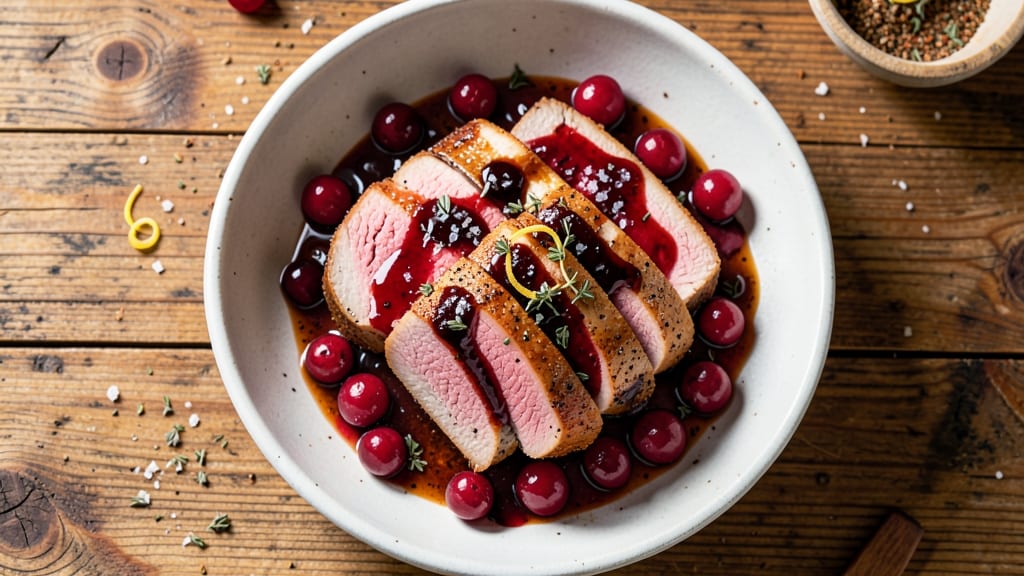
This cranberry Dijon pork loin with apple cider glaze recipe delivers restaurant-quality results with a perfect balance of sweet, tangy, and savory flavors—exactly what elevates a weeknight dinner to special occasion status.
The secret lies in searing the pork to lock in juices, then finishing it with a deep caramelized glaze that glistens like a professional kitchen's finish.
I developed this technique after years of perfecting holiday pork roasts, and it's now my go-to for gatherings where I want to impress without stressing.
The apple cider glaze transforms ordinary pork into something extraordinary, with its rich caramelized depth and subtle tartness cutting through the richness. Dijon mustard adds complexity while cranberries bring bursts of bright acidity that keep every bite interesting.
What makes this recipe truly special is the celery-pepper crunch topping—it adds texture contrast that turns a simple roast into a showstopper dish. The combination of techniques ensures tender, juicy meat with a glossy finish that will have your guests asking for the recipe.
By the time you serve this dish, you'll have perfectly seared pork loin with a deep caramelized glaze that's both sweet and tangy, all topped with crispy celery and pepper for that essential crunch.
The flavors are balanced to complement rather than overpower, making this ideal for holiday tables or when you want to serve something that feels special. This recipe delivers professional-quality results with simple techniques that any home cook can master.
Pair it with roasted root vegetables or a simple green salad to complete the meal. The glaze works beautifully with both, and the pork's rich flavors stand up to even bold side dishes. Here's everything you need to create this impressive centerpiece that will become your new signature dish.
Ingredients for cranberry dijon pork loin with apple cider glaze
Sixteen ingredients, one restaurant-worthy centerpiece—where deep caramelized glaze meets crisp celery-pepper crunch.
| Ingredient | Amount | Notes |
|---|---|---|
| Center-Cut Pork Loin 🥩 | 2 lb | Bone-in for better flavor retention |
| Fresh Cranberries 🍇 | 1 cup | Dried work in a pinch, but fresh preferred |
| Dijon Mustard 🍯 | 2 tbsp | High-quality, smooth variety |
| Apple Cider 🍎 | 1 cup | Unfiltered, cloudy preferred |
| Brown Sugar 🍚 | ½ cup | Light or dark, packed tightly |
| Balsamic Vinegar 🍷 | 1 tbsp | Aged, deep flavor preferred |
| Celery Sticks 🥬 | 1 cup | Thinly sliced, fresh preferred |
| Bell Pepper Strips 🌶️ | ½ cup | Red or green, thinly sliced |
| Unsalted Butter 🧈 | 4 tbsp | Cold, for searing |
| Olive Oil 🫒 | 2 tbsp | Extra-virgin, for searing |
| Fresh Thyme 🌿 | ¼ cup | Leaves only, chopped |
| Garlic Cloves 🧄 | 4 cloves | Minced, fresh preferred |
| Salt 🧂 | 1 ½ tsp | Kosher or sea salt |
| Black Peppercorns 🌶️ | ½ tsp | Freshly cracked |
The pork loin is non-negotiable here—center-cut, bone-in for that perfect balance of tenderness and flavor. Whole Foods or your local butcher shop will have the best cuts, but any well-marbled loin works. Look for a piece that's roughly 1.5 inches thick—thinner slices cook faster and risk drying out. I always ask for it to be trimmed of excess fat, but leave a little on the edges for extra flavor. If you're prepping ahead, pat the pork dry with paper towels before searing—this ensures maximum crispness on the crust. For the cranberries, fresh is ideal (they burst beautifully during cooking), but high-quality dried will work if you're in a rush. Trader Joe's has a great frozen version that's a lifesaver in winter.
No Dijon mustard? Whole-grain mustard at half the amount works in a pinch, though it's grittier. The apple cider can be swapped for unsweetened apple juice, but you'll lose that beautiful cloudy texture and depth of flavor. Brown sugar substitutes? Maple syrup or coconut sugar at the same quantity, but the caramelization won't be as rich. For the celery-pepper topping, pre-cut veggies from the store save time, but fresh is always better. If you're feeling fancy, toast the celery and pepper in the oven before adding them to the pork—it adds a nutty depth that changes the game. The butter and olive oil combo for searing? Don't skip this step—it creates that golden crust that locks in all the juices. If you're short on time, use all butter (just reduce to 3 tbsp), but the olive oil adds that professional sheen.
This glaze reheats beautifully—warm it gently in a saucepan and brush it back over the pork for a quick finish. The pork itself keeps 3-4 days in the fridge, wrapped tightly in foil, but the glaze is best used within 2 days for peak texture. For make-ahead magic, prepare the glaze a day ahead and store it in the fridge—it actually tastes better after the flavors meld. The celery-pepper topping? Make it fresh day-of—it loses its crunch if prepped too early. Freezing? The pork freezes well for up to 3 months, but thaw it overnight in the fridge—never at room temperature. Pro tip: Portion the glaze into ice cube trays before freezing, then pop out just what you need for reheating.
Why You'll Love This Recipe
- I’ll be real: pork loin leftovers often disappoint. Not this one. The glaze keeps it juicy, and the cranberries add enough flavor so it doesn’t taste like yesterday’s meal. Pack it for lunches or reheat it in 10 minutes—no one will guess it’s not fresh.
- One-Pan Magic: That’s right—just the pork, cranberries, and a single sheet pan. No chopping boards full of mess, no last-minute cleanup. The Dijon and apple cider glaze sticks to the pork like a dream, and the cranberries caramelize right alongside it.
- Sweet-Savory Balance: Here’s what sold me—the tangy Dijon cuts through the pork’s richness while the brown sugar and apple cider glaze turn it ridiculously good. Fresh cranberries add that bright, tart pop that makes every bite feel special.
- Weeknight to Holiday: Between us, this is my go-to when I need something that feels fancy but doesn’t take all day. Serve it with roasted potatoes for a weeknight dinner, or slice it thin for Thanksgiving leftovers—it’s that versatile.
Step-by-step instructions for cranberry Dijon pork loin with apple cider glaze
This method delivers perfectly caramelized pork with a glossy glaze and crisp celery-pepper topping every time.
Season and Sear the Pork Loin
Pat the 2 lb center-cut pork loin completely dry with paper towels—this ensures maximum crispiness. In a small bowl, combine the 1.5 tsp salt, 0.5 tsp freshly cracked black peppercorns, and 0.25 cup chopped fresh thyme. Rub this mixture evenly over the entire surface of the pork, pressing firmly so the seasoning adheres. Let it sit at room temperature for 30 minutes while you prepare the rest.
Heat a large oven-safe skillet over medium-high heat. Add 2 tbsp olive oil and 4 tbsp cold unsalted butter. Once the butter foams, add the pork loin and sear for 4-5 minutes per side until it develops a deep golden-brown crust. The butter should bubble vigorously and turn nutty—this is your signal that the pork is ready for the oven. Remove the pork and set it aside on a plate, leaving the rendered butter and oil in the pan.
Prepare the Celery-Pepper Topping
While the pork rests, slice the 1 cup celery sticks into ¼-inch pieces and the 0.5 cup bell pepper strips into ¼-inch pieces for even cooking. In the same skillet (with the rendered butter and oil), add the sliced celery and bell peppers. Cook over medium heat for 5-6 minutes, stirring occasionally, until they soften slightly but still retain a crisp texture. Remove them from the skillet and set aside.
In a small bowl, whisk together the 2 tbsp Dijon mustard, 0.5 cup brown sugar, and 1 tbsp balsamic vinegar until the sugar dissolves completely. This mixture will form the base of your glaze, adding depth and complexity to the finished dish.
Roast the Pork to Perfect Doneness
Preheat your oven to 375°F. Return the seared pork loin to the skillet and pour the mustard-sugar-balsamic mixture evenly over the top. Spoon any remaining butter and oil from the skillet over the pork as well. Place the skillet in the oven and roast for 25-30 minutes, or until the internal temperature reaches 145°F when measured with a meat thermometer in the thickest part of the loin.
About 10 minutes before the pork is done, stir the 1 cup apple cider into the skillet. The cider will bubble and reduce slightly, creating a glossy, caramelized glaze. This is where the magic happens—watch closely as the glaze thickens and darkens to a deep amber color.
Assemble and Glaze the Pork
Remove the pork from the oven and let it rest for 10 minutes before slicing. This resting period is crucial—it allows the juices to redistribute, ensuring each slice is moist and flavorful. While the pork rests, return the skillet to the stovetop over medium heat. Add the reserved celery and bell pepper mixture, along with the 1 cup fresh cranberries, and cook for 2-3 minutes until the cranberries burst and the vegetables are heated through.
Pour any remaining glaze from the skillet over the pork and spoon the celery-pepper-cranberry mixture on top. Let it sit for another 2-3 minutes so the flavors meld together. Slice the pork loin into ½-inch thick medallions and arrange on a platter. Spoon the glaze and celery-pepper mixture evenly over the top, creating a beautiful presentation with every bite.
Serve with Confidence
Serve the cranberry Dijon pork loin immediately, accompanied by the glossy glaze and crisp celery-pepper topping. The contrast of textures—tender pork, caramelized glaze, and crunchy vegetables—makes this dish truly special. Each slice should be juicy with a deep, savory flavor from the Dijon and a bright, tangy sweetness from the cranberries and apple cider glaze.
For an even more impressive presentation, garnish with additional chopped fresh thyme and a sprinkle of cracked black pepper. Pair with roasted sweet potatoes or a simple green salad to round out the meal. This dish is perfect for holiday gatherings or any special occasion where you want to impress your guests.
Pro Tips For Making Cranberry Dijon Pork Loin With Apple Cider Glaze
- SEAR THE LOIN FIRST: Hit that pork loin with a screaming-hot pan—no rushing—until it’s deep golden brown before you even think about basting. I learned this the hard way when my glaze turned into a sad, thin sauce because the meat absorbed all the moisture instead of developing crust. Two minutes per side, no less.
- SIMMER CRANBERRIES LOW: Fresh cranberries need patience—drop them in the glaze and let them simmer on actual low heat for at least 10 minutes. I used to crank the heat to speed things up, but they’d burst into a bitter mush. Low and slow keeps them plump and tangy, just like they should be.
- DON’T SKIP THE MUSTARD MIX: Whisk that Dijon into the glaze before adding the pork, not after. I tried slathering it on raw once, and it just slid off like butter on a hot griddle. Mixing it in first ensures it caramelizes into the sauce, giving every bite that rich, deep flavor you’re chasing.
- USE A SPLASH OF CIDER EARLY: Deglaze that pan with a quarter cup of apple cider right after searing—it scrapes up all the browned bits that’ll make your glaze taste like magic. Save the rest for later; this first splash is the flavor foundation. (Yes, even if you’re impatient like me.)
Regional styles of these flavors
Southern BBQ Twist
In the Southeast, we take this dish and add a smoky depth using applewood chips in the oven while roasting. I like to soak ½ cup applewood chips in water for 20 minutes, then drain and place them on a small foil tray in the oven alongside the pork.
This infuses the glaze with subtle wood-fired notes that remind me of my time competing in the BBQ circuit. For an extra kick, add 1 tbsp hot sauce to the glaze just before serving—trust me, it elevates the dish to next-level comfort food. 🔥
New England Cranberry Focus
Up north, cranberries take center stage with a wild cranberry sauce reduction. Instead of using fresh cranberries, I blend 1 cup frozen wild cranberries (available at Whole Foods or specialty markets) with 2 tbsp apple cider vinegar and 1 tbsp honey, then simmer until thickened.
This sauce gets folded into the glaze right before serving, creating a more intense cranberry flavor that's perfect with the pork's richness. The New Englanders also love adding toasted pecans to the celery-pepper mix for extra crunch. 🍇
Midwest Apple Orchard Style
The Midwest orchard regions lean into local apple cider and hard cider variations. Swap the apple cider glaze for a hard cider reduction by simmering 1 cup hard cider (like Angry Orchard) with 2 tbsp brown sugar until reduced by half.
The alcohol cooks off, leaving behind a deeper, slightly boozy flavor that pairs beautifully with the pork. Midwest cooks also often serve this with sautéed apples on the side—just toss 2 cups thinly sliced apples with 1 tbsp butter and a pinch of cinnamon. 🍎
Charleston Market Adaptation
Back in Charleston, where I trained, we use she-crab sauce techniques to elevate the glaze. After making the base glaze, we stir in 2 tbsp mayonnaise and 1 tbsp lemon juice, then fold in ¼ cup finely chopped celery and 2 tbsp minced chives.
This adds a creamy, briny contrast that balances the sweetness. We also serve the pork with Hoppin' John—a black-eyed pea and rice dish—that's a staple in Lowcountry cuisine. The smoky, spicy flavors complement the pork perfectly. 🌶️
Modern Fusion Approach
For a contemporary twist, I've seen chefs add goat cheese crumbles to the celery-pepper topping or even a balsamic glaze drizzle on the finished dish. The tangy creaminess of goat cheese cuts through the richness of the pork, while the balsamic adds an extra layer of depth.
If you're feeling adventurous, try adding 1 tbsp chopped walnuts to the celery-pepper mix for a nutty crunch. This fusion style keeps the traditional flavors but adds a gourmet touch that's perfect for dinner parties. ✨
Nutrition facts
Frequently asked questions
Can I use dried cranberries instead of fresh?
Yes, but fresh cranberries are ideal because they burst beautifully during cooking, adding that signature pop of tartness. If you must use dried, soak them in warm water for 10 minutes to rehydrate before adding to the glaze. You'll need about ½ cup dried cranberries to replace 1 cup fresh. The texture will be slightly different but still delicious!
How do I adjust the recipe for a smaller serving?
For 4 servings, reduce all ingredients by half. Keep the same ratios: 1 lb pork loin, ½ cup cranberries, 1 tbsp Dijon, ½ cup apple cider, and ¼ cup brown sugar. The cooking times remain similar, but use a smaller skillet to ensure proper heat distribution. Perfect for a cozy dinner for two!
Why does my glaze turn out too thin?
This usually happens if you don't reduce the apple cider long enough or if the oven temperature isn't hot enough. For a thicker glaze, simmer the cider on the stovetop for 5-7 minutes before adding it to the pork, or increase your oven temp to 400°F for the last 5 minutes of cooking. The glaze should coat the back of a spoon but still drizzle slightly.
Can I make this ahead of time?
Prepare the glaze ingredients 1 day ahead and store them separately in the fridge. Cook the pork and celery-pepper topping fresh, then reheat the glaze components in a saucepan until warm. Reassemble everything just before serving for the best texture. The pork stays juicy for 3-4 days when wrapped tightly in foil.
What's the best way to reheat leftovers?
Slice the pork and store it separately from the glaze. To reheat, warm the pork in a skillet over medium-low heat with a splash of water or apple cider to prevent drying. Reheat the glaze separately until bubbly, then drizzle over the pork. For extra shine, finish with a quick broil for 1-2 minutes. The celery-pepper topping is best made fresh but can be warmed through gently.