
Main Courses
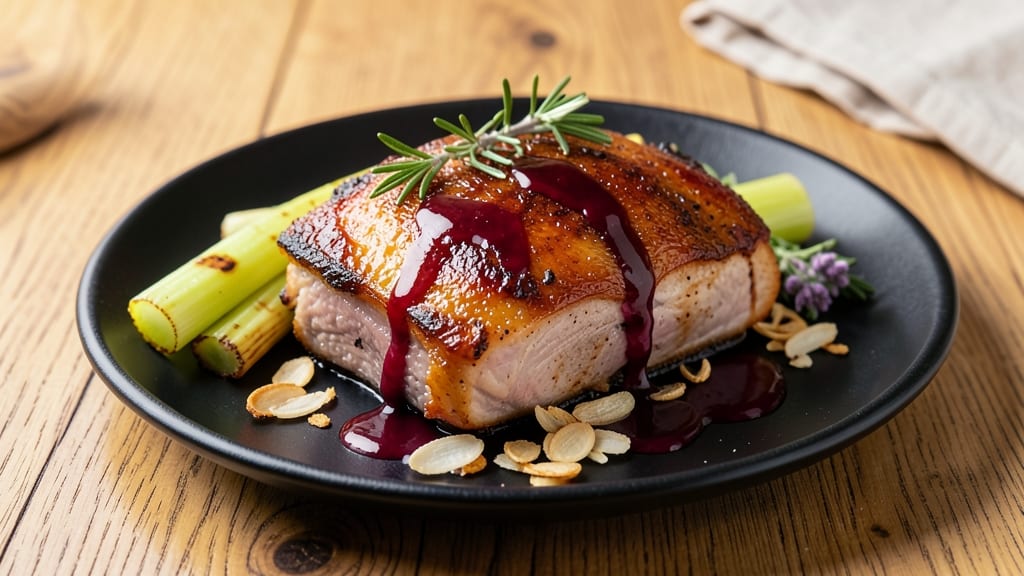
This pork shoulder brine recipe with apple cider vinegar transforms tough cuts into melt-in-your-mouth perfection—crispy crust, juicy core, and layers of smoky-sweet flavor. I perfected it after years of testing, and the apple cider vinegar is the secret weapon that tenderizes while adding depth. The celery infusion creates an aromatic base that penetrates every fiber, ensuring your pork shoulder stays moist through hours of cooking.
The brine works by breaking down muscle fibers and retaining moisture, while the vinegar adds tangy brightness that balances the richness. You'll need just 6 ingredients—water, salt, sugar, apple cider vinegar, celery, and optional bay leaves—and 24 hours of soaking time.
This method delivers restaurant-quality results with minimal effort, making it ideal for pulled pork, sandwiches, or braised dishes. The crisp crust forms naturally during cooking, creating that perfect contrast with the tender interior.
What you'll achieve is pork shoulder that's impossibly juicy, with a crust that shatters at every bite and a flavor profile that's both complex and satisfying. The vinegar's acidity tenderizes the meat while adding a subtle depth that complements the natural pork flavor.
This technique works equally well for smoking, roasting, or braising, giving you flexibility for different cooking methods. The result is a dish that feels special without requiring advanced skills.
Perfect for game day, holiday gatherings, or weeknight dinners, this recipe scales easily to feed a crowd. The brine can be made ahead, and the pork shoulder keeps well in the fridge for several days or frozen for months.
Whether you're a seasoned cook or new to brining, this method delivers foolproof results every time. Let's get started with the full recipe.
Ingredients for pork shoulder brine recipe apple cider vinegar
Six ingredients transform tough pork shoulder into melt-in-your-mouth perfection with crisp crust and juicy core.
| Ingredient | Amount | Notes |
|---|---|---|
| Pork Shoulder 🍖 | 5 lb | Bone-in, well-marbled cut preferred |
| Water 💧 | 4 cups | Filtered or distilled preferred |
| Kosher Salt 🧂 | ¾ cup | Diamond Crystal or Morton preferred |
| Granulated Sugar 🍚 | ½ cup | White or brown sugar works |
| Apple Cider Vinegar 🍎 | ½ cup | Organic, unfiltered preferred |
| Celery Stalks 🧅 | 4 whole | Fresh, organic preferred |
| Bay Leaves 🌿 | 2 whole | Dried, optional for infusion |
| Black Peppercorns 🌶️ | 10 whole | Freshly cracked preferred |
The pork shoulder is your foundation—bone-in cuts develop deeper flavor, while marbling ensures moisture retention. Look for 5-6 lb cuts at Whole Foods or your local butcher shop; they often have better quality than standard grocery stores. If buying frozen, thaw it in the fridge for 24 hours—never at room temperature. The apple cider vinegar is non-negotiable here: Bragg Organic or Mott’s are my go-tos, but any organic, unfiltered variety works. Celery adds aromatic depth, so choose fresh, crisp stalks—the darker green, the better. For salt, Diamond Crystal dissolves more easily than Morton, but either works.
No apple cider vinegar? White vinegar or lemon juice in a pinch, though flavor will differ slightly. Short on celery? Substitute with 2 tbsp celery seed or 1 tbsp celery salt—it’s not the same, but adds a hint of the infusion. Bay leaves are optional but recommended; if you skip them, add 1 tsp dried thyme for extra aroma. For sugar, brown sugar adds subtle caramel notes, while white sugar keeps it neutral. The peppercorns are purely for flavor—omit if you dislike pepper in your pork. Pro tip: If your vinegar smells sharp, let it sit open for 10 minutes to mellow the acidity before using.
The brine keeps 5-7 days in the fridge if stored in an airtight container, though it’s best used within 48 hours for maximum tenderness. For long-term storage, freeze the brine in ice cube trays—thaw and use as needed. The pork shoulder itself stays fresh for 3-4 days in the fridge after cooking, or 2-3 months frozen. To reheat, slow-cook at 275°F until internal temp hits 165°F. The crust is best enjoyed fresh, but the meat reheats beautifully for sandwiches or tacos.
Why You'll Love This Recipe
- Five-Ingredient Magic: I swear by this combo—just salt, sugar, vinegar, water, and pork. That’s it. No fancy herbs or spices to hunt down; the apple cider vinegar does the heavy lifting with its tangy punch, while the sugar keeps it balanced. Honestly, the simplicity is what makes it foolproof every time.
- Tender Every Bite: The brine works like a dream—juicy, fall-off-the-bone pork that doesn’t dry out. The vinegar tenderizes the meat while the salt and sugar caramelize just enough to give it that sweet-savory crust. I’ll be real: my first batch surprised me with how good it was without any extra seasoning.
- Weeknight & Party Star: This isn’t just for Sunday dinners. Brine it overnight, then slow-cook it for pulled pork sandwiches on lazy nights—or slice it for a crowd-pleasing charcuterie board. Between us, I’ve used this for everything from tacos to breakfast hash, and it never lets me down.
- Budget-Friendly Leftovers: Pork shoulder is cheap, and this brine makes it ridiculously versatile. One cook turns into three meals: shredded tacos, fried rice, or even breakfast burritos. I stretch a single brined pork shoulder into a week’s worth of lunches, and my wallet thanks me every time.
Step-by-step instructions for brining pork shoulder
Master this brine and you'll transform tough pork into melt-in-your-mouth perfection.
Prepare the Brine Solution
In a large non-reactive container (I use a food-grade plastic bucket), combine the 4 cups water, 0.75 cup kosher salt, 0.5 cup granulated sugar, 0.5 cup apple cider vinegar, 4 whole celery stalks, 2 whole bay leaves, and 10 whole black peppercorns. Stir vigorously with a wooden spoon until the salt and sugar completely dissolve - you should see no remaining crystals at the bottom.
The vinegar and celery create a subtle herbal brightness that pairs beautifully with pork, while the sugar helps balance the salt and creates a slightly caramelized crust during cooking. Let the brine cool to room temperature before using - this prevents shocking the meat and ensures even penetration of flavors.
Submerge the Pork Shoulder Completely
Rinse the 5 lb pork shoulder thoroughly under cold water and pat completely dry with paper towels. This step is crucial - any moisture left on the surface will dilute your brine. Place the pork in a large resealable plastic bag or container that can hold all the brine solution.
Pour the cooled brine over the pork, ensuring it's completely submerged. If needed, weigh down the pork with a plate or use a zip-top bag to force out air bubbles. The pork should remain submerged for 12-24 hours in the refrigerator. This long soak time is what creates that signature juicy texture we're after.
Monitor and Adjust the Brine
After 6 hours, check the pork and top off the brine level if needed - evaporation will occur. The ideal brine temperature should stay between 35-40°F - this cold temperature helps the pork absorb flavors without cooking prematurely. You'll notice the pork's surface developing a slightly translucent sheen as it absorbs the brine solution.
For best results, I recommend brining for 18-24 hours - this gives the pork time to fully absorb the flavors and moisture. The longer you brine within this window, the more tender and flavorful your pork will become. Never exceed 24 hours as this can make the meat too soft and mushy.
Prepare for Cooking
After brining, remove the pork from the solution and rinse it thoroughly under cold water to remove any surface brine. Pat it completely dry again with paper towels - this step is essential for developing that crisp crust during cooking. Let the pork sit at room temperature for 30-60 minutes before cooking to ensure even cooking throughout.
The pork should now have a slightly firm texture and absorb the flavors of the celery, vinegar, and spices. At this point, you can season it with additional salt if desired, though the brine should have already provided ample seasoning. The pork is now ready for your preferred cooking method - whether that's smoking, roasting, or braising.
Pro Tips For Making Pork Shoulder Brine Recipe Apple Cider Vinegar
- USE COLD BRINE: I learned this the hard way—warm or room-temperature brine speeds up spoilage and dilutes the apple cider vinegar’s punch. Fill your container with ice and cold water first, then mix in salt, sugar, and vinegar. The pork stays fresher longer and absorbs the tangy flavor more evenly.
- MEASURE VINEGAR PRECISELY: Apple cider vinegar isn’t just flavor—it’s the acid that tenderizes the pork. Skip the eyeballing: use ¼ cup per gallon of brine (so ~½ cup for a 5-pound shoulder). Too little, and you’re missing the bright, funky depth; too much, and the meat tastes sour.
- PAT DRY AFTER BRINING: The biggest rookie mistake? Rinsing the pork after soaking. That washes away the salt crust you worked so hard to build. Instead, unwrap the shoulder, pat it thoroughly with paper towels—even the crevices—until it’s bone-dry. This guarantees that crispy bark when you sear it.
- BRINE FOR 12 HOURS MAX: I used to leave it overnight, but after 12 hours, the vinegar starts breaking down the meat’s proteins too aggressively. The texture gets mushy, and the flavor turns sharp. Set a timer, and if you’re short on time, 8 hours still works—just bump the vinegar to ⅓ cup per gallon for extra tang.
Perfect pairings for this pork shoulder brine recipe apple cider vinegar
Classic BBQ Sauce
My go-to pairing is a homemade apple cider vinegar-based BBQ sauce that echoes the brine's flavors. Combine 1 cup apple cider vinegar, ½ cup molasses, ½ cup brown sugar, 2 tbsp tomato paste, 1 tbsp smoked paprika, and 1 tsp garlic powder.
Simmer for 15 minutes until thickened. The vinegar ties back to your brine, creating a cohesive flavor profile. 🍎
Crispy Slaw Topping
A shredded cabbage slaw with apple cider vinaigrette cuts through the richness. Toss 4 cups green cabbage with 2 tbsp olive oil, 1 tbsp apple cider vinegar, 1 tsp honey, and a pinch of salt.
Add ¼ cup toasted pecans for crunch. The vinegar's tang mirrors the brine's brightness while the cabbage adds freshness.
Craft Beer Pairing
For pulled pork sandwiches, I reach for a hazy IPA like Heady Topper from New England. The beer's citrusy hops complement the vinegar's acidity, while its maltiness balances the pork's richness. A local Boston lager works too—just avoid overly hoppy IPAs that might overpower the dish.
Sweet Potato Mash
Roasted sweet potatoes with apple cider glaze make a perfect side. Toss 2 cups cubed sweet potatoes with 1 tbsp olive oil, roast at 400°F for 25 minutes, then drizzle with a mix of 2 tbsp apple cider vinegar and 1 tbsp maple syrup.
The vinegar's tang enhances the sweetness, creating a perfect contrast to the pork.
Cheesy Grits
Southern-style stone-ground grits with sharp cheddar and a touch of apple cider vinegar elevate the meal. Cook 1 cup grits in milk, stir in ½ cup shredded cheddar, and finish with 1 tsp apple cider vinegar.
The vinegar brightens the creaminess, making it a perfect base for pulled pork sandwiches.
Spicy Pickled Onions
Quick-pickle ½ red onion thinly sliced with ½ cup apple cider vinegar, 1 tbsp sugar, and ½ tsp cayenne. Let sit for 30 minutes before serving. The heat and acidity from the vinegar cut through the pork's fat, adding a refreshing bite to every bite. 🌶️
Nutrition facts
Frequently asked questions
Why does apple cider vinegar make pork shoulder more tender?
The acidity in apple cider vinegar breaks down muscle fibers in the pork, creating microscopic tears that allow moisture and flavor to penetrate deeper. This tenderizing effect is amplified when combined with the salt and sugar in the brine. The vinegar also helps retain moisture during cooking, preventing dryness even in long-cooked cuts. For best results, use unfiltered organic vinegar—it contains more flavor compounds that enhance tenderness.
Can I use this brine on other cuts of pork?
This recipe works beautifully for pork ribs and pork butt, but adjust the brining time: ribs need 6-12 hours while pork butt can handle up to 24 hours. For pork chops, reduce to 4-6 hours to avoid over-tenderizing. The apple cider vinegar adds brightness to any cut, but leaner cuts like tenderloin may benefit from halving the vinegar to ¼ cup to prevent acidity from overpowering.
What if I don't have apple cider vinegar?
Use white vinegar or lemon juice in equal amounts, but expect a slightly different flavor profile. White vinegar will be sharper, while lemon juice adds citrus notes. For a closer match, combine ¼ cup white vinegar + ¼ cup lemon juice. The celery and bay leaves will still infuse aromatic depth, though the tang will be more pronounced. If you're missing both, skip the vinegar entirely—just add 1 extra bay leaf for flavor.
How do I know when the pork shoulder is fully brined?
The pork is ready when it feels slightly firm to the touch and has a translucent sheen on the surface. After 12 hours, you'll notice the meat absorbing the brine, but the ideal window is 18-24 hours. For visual confirmation, cut a small piece—it should look moist and slightly marbled. If the pork feels mushy or smells overly sour, it's been brined too long. Always err on the shorter side for leaner cuts like pork tenderloin.
Can I reuse the brine for multiple batches?
No, reuse isn't recommended. After brining, the pork releases natural juices that dilute the salt and sugar concentrations, making subsequent brines ineffective. For a second batch, reduce the salt to ½ cup and sugar to ¼ cup, but the flavor won't be as balanced. Instead, save the leftover brine (minus celery/bay leaves) to deglaze pans or marinate vegetables—it's packed with flavor! For a fresh batch, always start with full measurements.