
Sauces & Condiments
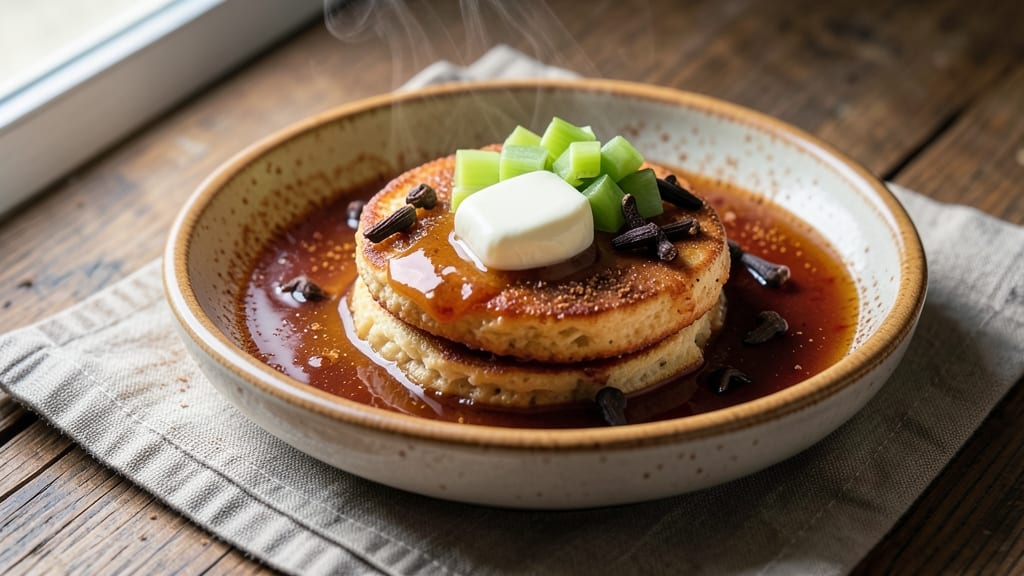
This apple cider reduction sauce transforms simple ingredients into a luxurious, caramelized drizzle that elevates everything from roasted meats to fresh-baked desserts. The process is straightforward yet transformative—simmering apple cider until it reduces to a thick, fragrant syrup that balances sweetness with subtle spice.
I’ve perfected this recipe over years of holiday cooking, and it’s become a staple in my kitchen for adding depth to dishes without overpowering them.
The beauty of this sauce lies in its versatility and simplicity. With just a few pantry staples—apple cider, sugar, butter, and warm spices like cinnamon and cloves—you’ll create a sauce that’s rich, aromatic, and effortlessly elegant.
The reduction process concentrates the natural flavors of the cider, turning it into a glossy, syrupy glaze that clings beautifully to roasted vegetables, grilled chicken, or even vanilla ice cream.
What makes this recipe truly special is how it enhances other dishes while remaining subtle enough to let their natural flavors shine. The caramelized sweetness and warm spices create a harmonious balance, making it ideal for drizzling over brussels sprouts, glazing ham, or pairing with cheese boards.
Once you taste the difference between store-bought sauces and this homemade version, you’ll never go back.
Best of all, the sauce keeps well in the refrigerator for up to two weeks, so you can make a batch ahead and use it throughout the season.
Whether you’re hosting a holiday dinner or simply craving a cozy weeknight meal, this apple cider reduction sauce is the perfect finishing touch. Let’s get started!
Ingredients for apple cider reduction sauce
Eight simple ingredients create a sauce that's rich, aromatic, and effortlessly elegant for holiday dishes.
| Ingredient | Amount | Notes |
|---|---|---|
| Apple Cider 🍎 | 4 cups | Unfiltered for richer flavor |
| Granulated Sugar 🍚 | 1 cup | Light brown preferred for depth |
| Unsalted Butter 🧈 | ½ cup | Cold cubes for smoother finish |
| Ground Cinnamon 🌿 | 1 ½ tsp | Freshly ground for warmth |
| Whole Cloves 🌶️ | 4 whole | Lightly crushed for aroma |
| Fresh Celery Stalks 🧅 | 2 whole | Chopped fine for subtle crunch |
| Fresh Thyme Leaves 🌿 | ¼ cup | Or 1 tsp dried thyme |
| Salt 🧂 | ½ tsp | Diamond Crystal preferred |
The apple cider makes or breaks this sauce—Mott's or Woodchuck are my go-tos for their deep, unfiltered flavor. Look for labels that say 'unfiltered' or 'unpasteurized' if you can find them, as these retain more natural sweetness and complexity. Sugar is where you can play—light brown sugar adds subtle caramel notes, but granulated works fine in a pinch. The butter should be cold when you add it; cut it into cubes and let them melt gradually for a silky finish. Fresh thyme and celery are non-negotiable for that bright, herbal contrast—Trader Joe's carries great celery stalks that stay crisp longer.
No brown sugar? White sugar plus 1 tsp molasses mimics the depth. Running short on thyme? Fresh rosemary at half the amount works beautifully, though it leans more herbal. Celery too fibrous? Substitute with 1 tbsp celery seed for the earthy flavor without the texture. The cloves are more about aroma than flavor—if you hate the peppery bite, skip them entirely. For a smoother sauce, strain out the celery and thyme after simmering, or leave them in for a rustic crunch. The butter can be swapped for vegan butter, though it won’t have the same richness.
This sauce keeps for 2 weeks in the fridge, sealed in an airtight container with a thin layer of oil on top to preserve the sheen. For longer storage, freeze in ice cube trays—3 months without sacrificing quality. Reheat gently on the stove or microwave in 20-second bursts, stirring between each. I always make a double batch—one for the ham, one for drizzling over roasted Brussels sprouts. The leftovers? Perfect for cheese boards or as a glaze for grilled meats.
Why You'll Love This Recipe
- Pantry Magic: I swear by this sauce because it uses stuff I already have—no special shopping trips. Just cider, sugar, butter, and those little spices from the back of my cabinet. Honestly, it’s the kind of recipe that makes me feel like I’m cooking fancy when I’m really just stirring a pot.
- Warmth in Every Spoonful: That slow simmer of apple cider with cinnamon and cloves? It’s like autumn in a bowl—deep, cozy, and just sweet enough. The butter ties it all together with this velvety richness that makes you want to drizzle it on everything (yes, even toast).
- Game for Any Meal: Drizzle it over roasted pork chops for Sunday dinner, swirl it into yogurt for a breakfast treat, or toss it with mashed potatoes when you’re craving something special. Between us, it’s my go-to for turning simple meals into something that feels like a hug.
- Makes Leftovers Look Smart: I always double the batch because this sauce keeps for weeks in the fridge. Use it to jazz up bland takeout, glaze a last-minute dessert, or even deglaze the pan after cooking. Not the prettiest, but the taste makes up for it every time.
Step-by-step instructions for rich apple cider reduction sauce
Transform simple pantry staples into a velvety sauce with caramelized depth and subtle celery crunch.
Prepare the Celery and Spice Base
In a heavy-bottomed saucepan, combine the 2 whole fresh celery stalks (chopped into ¼-inch dice) with the 4 whole cloves (lightly crushed between your palms) and the 0.5 tsp salt. Cook over medium heat for 5 minutes until the celery softens and releases its aromatic oils—you'll smell that fresh, bright celery essence that becomes the sauce's signature crunch.
Here's the thing—don't skip this step. The celery provides both texture and a subtle earthy note that balances the sweetness. If you're using dried thyme instead of fresh, add it now with the celery, but reduce to 1 teaspoon since dried is more concentrated. Stir occasionally to prevent burning, but let the celery develop color and flavor before moving forward.
Build the Sweet-Spiced Foundation
Add the 4 cups apple cider and 1 cup granulated sugar to the pan, stirring to dissolve the sugar completely. The mixture should bubble gently—this is where the magic begins. Increase heat to medium-high and bring to a boil, then immediately reduce to medium heat to maintain a steady simmer.
Let it cook uncovered for 15-20 minutes until the volume reduces by about half and the sauce thickens noticeably. You're looking for a syrupy consistency where the back of a spoon leaves a clear trail. This reduction process concentrates the flavors and creates that deep caramelized sweetness that makes this sauce so irresistible. Taste occasionally—you want the sugar to dissolve completely and the flavors to meld.
Incorporate the Aromatics and Finish
Once the cider mixture has reduced, stir in the 1.5 tsp ground cinnamon and the 0.25 cup fresh thyme leaves. Let the sauce simmer for another 5 minutes to allow the spices to bloom fully. The thyme will release its piney aroma, while the cinnamon adds warmth that complements the apple's natural sweetness.
Watch the sauce closely during these final minutes—it should thicken further and develop a glossy sheen. If you're concerned about burning, reduce heat to low and stir occasionally. The goal is to develop complex flavors without letting anything burn. When the sauce reaches your desired consistency (it should coat the back of a spoon but still be pourable), it's ready for the final touch.
Add Butter for Velvety Texture
Remove the pan from heat and let it cool slightly for 2 minutes—this prevents the butter from seizing up. Then, whisk in the 0.5 cup unsalted butter (cut into small cubes) one piece at a time, allowing each to melt completely before adding the next. The butter will emulsify with the sauce, creating that luxurious, velvety texture we all love.
For an extra-smooth finish, strain the sauce through a fine-mesh sieve to remove any remaining celery pieces or thyme stems if you prefer a completely smooth texture. If you want to keep some texture, simply stir well after adding the butter. The sauce should now be thick, glossy, and ready to drizzle over roasted meats, glazed vegetables, or even vanilla ice cream for a sophisticated dessert.
Rest and Serve with Confidence
Let the sauce rest for 10 minutes before serving. This resting period allows the flavors to fully meld and the sauce to thicken slightly as it cools. The reduction will continue gently even off the heat, so don't be tempted to rush this step—patience here ensures the best possible result.
Serve warm over your favorite dishes. This sauce pairs beautifully with roasted pork tenderloin, turkey, or even as a glaze for Brussels sprouts. For extra presentation, drizzle it over a warm bowl of vanilla ice cream or use it as a dip for fresh apple slices. The balance of sweet, spicy, and slightly herbal notes makes this sauce incredibly versatile—once you make it, you'll find countless ways to use it up.
Pro Tips For Making Apple Cider Reduction Sauce
- STIR CONSTANTLY AT FIRST: The first 5 minutes are where most people burn this—don’t walk away. You’re not making caramel here; you’re building layers of flavor, and skipping the stir means sugar seizing or sticking. I used to let mine bubble unattended, and it’d turn into a sticky mess that needed scraping off the pan.
- USE WHOLE SPICES SPARingly: Two cloves and a pinch of cinnamon are plenty—more won’t deepen the flavor, it’ll just make the sauce taste like a holiday spice blend. Crush them lightly with the back of a knife first, but don’t pulverize them into dust. You want aroma, not grit.
- WHISK IN BUTTER LAST: Adding butter too early will turn your reduction into a greasy sludge. Wait until the cider’s syrupy and thickened—it should coat the back of a spoon like honey—before whisking in the butter in small batches. If it looks curdled, strain it through a fine-mesh sieve afterward.
- SIMMER NOT BOIL: A rolling boil will evaporate the alcohol too fast and leave you with a flat, one-dimensional sauce. Keep it at a gentle simmer—tiny bubbles breaking the surface—so the spices infuse properly and the sweetness balances the tang. Trust me, you’re not saving time by cranking the heat.
Perfect pairings for this dish
Savory Meat Pairings
This sauce transforms roasted pork tenderloin into a showstopper—drizzle it over the meat during the last 5 minutes of roasting at 400°F for a caramelized crust. I also love it on herb-crusted beef ribs, basting them with sauce during the last hour of smoking at 225°F.
For poultry, glaze a whole roasted chicken by brushing the sauce on every 15 minutes for the final 45 minutes of cooking. 🔥
Vegetable Glazes
Roasted Brussels sprouts become irresistible when tossed with 2 tablespoons of this sauce after roasting at 425°F for 20 minutes. The sweetness cuts through the bitterness beautifully. For a fall favorite, drizzle over caramelized onions cooked with 1 tbsp balsamic vinegar and 1 tsp brown sugar until jammy.
Even butternut squash gets a gourmet upgrade when glazed with this sauce after roasting at 375°F for 30 minutes.
Cheese Board Elevator
Create a cozy fall spread by drizzling this sauce over aged cheddar, brie, or goat cheese on a wooden board. The warm spices complement the tangy cheese perfectly.
I pair it with walnuts, dried apricots, and crusty baguette for a sophisticated appetizer. For extra flair, sprinkle with crumbled blue cheese—the contrast is amazing. 🧀
Dessert Twist
Warm this sauce and drizzle over vanilla ice cream for a creamy, spiced dessert. The celery crunch adds an unexpected but delightful texture. For a more traditional pairing, spoon it over apple crisp or pumpkin pie for a fall-inspired finish.
Even chocolate-covered strawberries get a sophisticated upgrade when dipped in the cooled sauce and chilled for 1 hour.
Beverage Pairings
A glass of dry Riesling complements the sauce's sweet-spiced profile beautifully. For beer lovers, a Belgian-style witbier like Hoegaarden adds citrusy brightness that cuts through the richness. If you prefer whiskey, sip on a bourbon or apple brandy—the caramel notes will feel familiar and comforting. 🍷
Unexpected Uses
Use this sauce as a marinade for chicken thighs—coat them and let sit for 4 hours before grilling. It also makes an incredible dip for fresh apple slices or pretzel bites.
For a quick breakfast, drizzle over French toast or pancakes with a sprinkle of pecans. The possibilities are endless once you have this versatile sauce in your arsenal!
Nutrition facts
Frequently asked questions
Can I use store-bought apple cider instead of fresh?
Yes! Store-bought apple cider works perfectly—just look for unfiltered varieties like Mott's or Woodchuck for the richest flavor. Avoid pasteurized or filtered brands, as they lack the depth of natural apple essence. The reduction process will still concentrate the flavors beautifully, though homemade or unfiltered cider gives the best results.
How do I prevent the sauce from getting too thick or burning?
Keep the heat at medium-low during reduction and stir frequently to prevent burning. For a thicker consistency, simmer longer (up to 30 minutes total) until it reaches your desired thickness. If it gets too thick, whisk in 1-2 tablespoons of water or apple cider to loosen it. A heavy-bottomed saucepan helps distribute heat evenly.
What if I don't have fresh celery or thyme?
No problem! Substitute with 1 tbsp celery seed (for flavor without texture) or ½ tsp dried thyme. Skip the celery if you prefer a completely smooth sauce, but the herb adds brightness. For extra warmth, add ½ tsp ground allspice—it pairs beautifully with the cinnamon.
Can I make this sauce ahead and reheat it?
Store in an airtight container in the fridge for 2 weeks or freeze in ice cube trays for 3 months. Reheat gently on the stove over low heat, stirring often, or microwave in 20-second bursts, stirring between each. The sauce will thicken further as it cools—just thin with a splash of water or cider if needed.
Is this sauce vegan-friendly?
Easily adapt it! Replace the butter with ½ cup vegan butter or coconut oil for a dairy-free version. The sauce will still be rich and flavorful, though it may have a slightly different texture. For extra richness, stir in 2 tbsp coconut cream at the end. The warm spices and celery keep it hearty and satisfying.