
Main Courses
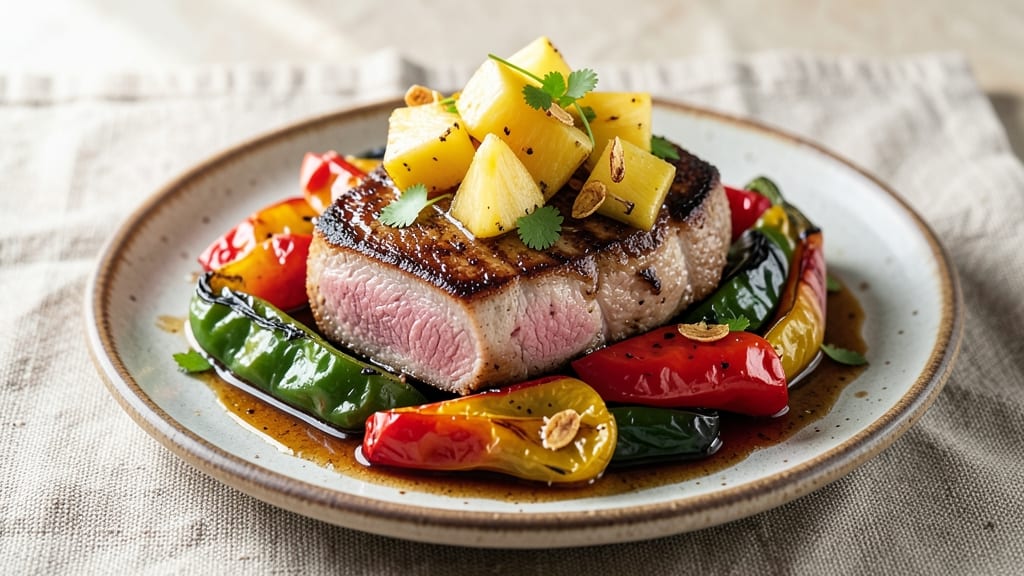
This pork pineapple peppers recipe transforms humble ingredients into a restaurant-quality dish with crispy bell pepper bites and a sweet-tart glaze that balances heat and sweetness perfectly. 🔥 As someone who's spent years perfecting pork preparations, I know the secret lies in searing the pork to lock in juices while caramelizing the peppers, then finishing with a glaze that's sticky, tangy, and just sweet enough to complement the smoky pork.
The technique starts with high-heat searing for the pork chops or tenderloin, creating that crispy crust we all crave, while the bell peppers get roasted until their edges blister and caramelize.
The pineapple adds natural sweetness that cuts through any spice, creating a harmony of flavors that's both familiar and exciting. What makes this dish truly special is how the textures come together—tender pork, slightly charred peppers, and juicy pineapple chunks all coated in that glossy glaze.
By the time you serve this dish, you'll have a main course that's bold enough to stand alone but versatile enough to pair with rice, roasted potatoes, or a simple arugula salad. The glaze works wonders as a dipping sauce too, so you'll want to make extra.
This isn't just another pork recipe—it's a celebration of flavors that brings the tropics to your dinner table with every bite.
For those who love to experiment, the glaze can be adjusted to be spicier or sweeter depending on your preference, and the peppers can be swapped for jalapeños if you prefer more heat.
The key is balancing all the elements so they complement rather than compete with each other. Let's make this dish that'll have everyone asking for seconds.
Ingredients for pork pineapple peppers
Crispy pork, caramelized peppers, and sticky-sweet glaze—just 15 ingredients for a restaurant-worthy dinner.
| Ingredient | Amount | Notes |
|---|---|---|
| Pork Tenderloin 🐷 | 1 ½ lb | Center-cut for even cooking |
| Bell Peppers 🧅 | 3 whole | Mixed colors, sliced into strips |
| Fresh Pineapple Chunks 🍍 | 1 ½ cups | Fresh or canned in juice, drained |
| Olive Oil 🫒 | ½ cup | Extra-virgin for high-heat searing |
| Brown Sugar 🍚 | ¼ cup | Light or dark, packed |
| Honey 🍯 | ¼ cup | Wildflower preferred for depth |
| Soy Sauce 🥢 | ¼ cup | Low-sodium preferred |
| Rice Vinegar 🍶 | ⅛ cup | Seasoned for extra flavor |
| Garlic Cloves 🧄 | 4 cloves | Minced for glaze |
| Fresh Ginger 🌿 | 1 tbsp | Grated, fresh preferred |
| Red Pepper Flakes 🌶️ | 1 tsp | Adjust for heat preference |
| Salt 🧂 | 1 ½ tsp | Kosher or sea salt |
| Black Pepper 🌶️ | ½ tsp | Freshly ground |
| Sesame Oil 🫒 | 1 tbsp | Toasted for aroma |
| Green Onions 🧅 | ¼ cup | Sliced for garnish |
The pork tenderloin is your star—center-cut pieces cook more evenly, so don't skimp on quality. Trader Joe's or CostcoMixed colors add visual appeal, but red stays crispier when roasted. If you're short on time, pre-cut stir-fry peppers work fine, but fresh always tastes better. For the pineapple, fresh is ideal—canned works in a pinch, but drain it well to avoid soggy peppers.
No honey? Maple syrup or agave works in the glaze, though honey gives that floral depth. Short on brown sugar? White sugar plus 1 tsp molasses mimics the caramel notes. The soy sauce can be swapped for coconut aminos if you're avoiding gluten. Fresh ginger is a must—jarred ginger has none of the zing. Want more heat? Add 1/2 tsp cayenne to the glaze. The sesame oil is optional but adds that nutty aroma—toasted sesame seeds on top are a great garnish too.
The glaze keeps for 5 days in the fridge, so make extra—it's perfect over rice or as a dipping sauce. Store it in a jar with a lid. The pork and peppers reheat beautifully, but microwave in 30-second bursts to keep them crispy. Freeze the pork and peppers separately for up to 3 months. For meal prep, portion the glaze into small jars—it's great for quick stir-fries or marinades.
Why You'll Love This Recipe
- Here’s what sold me: the brown sugar and pineapple create this addictive contrast. The pork gets tender, the peppers stay slightly crisp, and that tangy-sweet glaze? It’s the kind of flavor combo that makes you reach for seconds without even thinking. (Yes, even on a Tuesday night.)
- One-Pan Magic: I swear by this recipe because it’s the kind of meal where you chop, toss, and walk away. No fancy techniques—just pork, peppers, and pineapple roasting together until caramelized. The bell peppers soften just enough to soak up that sticky-sweet glaze, and the pork stays juicy without a single thermometer check.
- Sweet-Savory Balance: Here’s what sold me: the brown sugar and pineapple create this addictive contrast. The pork gets tender, the peppers stay slightly crisp, and that tangy-sweet glaze? It’s the kind of flavor combo that makes you reach for seconds without even thinking. (Yes, even on a Tuesday night.)
- Weeknight to Potluck: Between us, this dish works everywhere. Toss it in a sheet pan for a stress-free weeknight dinner, or bring it to a BBQ where it’ll disappear faster than the chips. My daughter picks out the pineapple chunks first, but then she’s back for more—proof it’s crowd-pleaser material.
Step-by-step instructions for pork pineapple peppers with sweet-tart glaze
Here's how to create a perfect balance of caramelized pork, crispy peppers, and that addictive sweet-tart glaze.
🔥 Step 1: Sear the Pork Tenderloin for Maximum Flavor
Pat the 1.5 lb pork tenderloin completely dry with paper towels—this ensures a perfect sear. Heat 0.25 cup olive oil in a large skillet over medium-high heat until it shimmers. Season the pork generously with 1.5 tsp salt and 0.5 tsp black pepper, then sear for 4-5 minutes per side until it develops a deep golden-brown crust and reaches an internal temperature of 145°F.
Here's the thing—don't rush this step. The crust locks in juices, and that's what makes the difference between good and extraordinary pork. Once seared, remove the pork and let it rest on a plate while you prep the peppers. The resting time is crucial for juiciness, but we'll come back to that later.
🍳 Step 2: Roast the Bell Peppers for Crispy Bites
Preheat your oven to 425°F. Cut the 3 whole bell peppers into 1-inch strips and toss them with 0.25 cup olive oil, 1 tsp red pepper flakes, and 0.5 tsp salt. Spread them out on a baking sheet in a single layer—this ensures even crispiness. Roast for 20-25 minutes, stirring halfway through, until the edges are deeply charred and the peppers are tender but still hold their shape.
This is where the magic happens for that perfect crunch. You want them tender enough to eat but still with a little bite. If you notice they're browning too quickly, tent the pan with foil to prevent burning. Once done, transfer the peppers to a cutting board and let them cool slightly before using.
🥘 Step 3: Create the Sweet-Tart Glaze
In a medium saucepan, combine 1.5 cups fresh pineapple chunks, 0.25 cup brown sugar, 0.25 cup honey, 0.25 cup soy sauce, 0.125 cup rice vinegar, 4 cloves minced garlic, and 1 tbsp grated fresh ginger. Bring the mixture to a boil over medium-high heat, then reduce to medium-low and simmer uncovered for 10-12 minutes until the liquid reduces by about half and the mixture thickens slightly.
Here's the trick—stir occasionally and watch for the pineapple to break down and release its juices. You want a glossy, syrupy consistency that coats the back of a spoon. If it reduces too quickly, add 1-2 tablespoons of water to maintain the right balance. Once thickened, remove from heat and stir in 1 tbsp sesame oil for that final aromatic touch.
🍳 Step 4: Finish the Pork and Assemble
Return the pork to the skillet (no need to clean it—the browned bits add flavor) and pour the glaze over it. Spoon the sauce around to coat the pork evenly. Bring the mixture to a simmer over medium heat and cook for 3-4 minutes, basting the pork with the sauce until it's fully coated and heated through.
Slice the pork into ½-inch thick medallions and serve immediately over the crispy roasted bell peppers. Garnish with 0.25 cup sliced green onions for a pop of freshness. The contrast of the crispy peppers, tender pork, and sweet-tart glaze is what makes this dish truly special.
⏰ Step 5: Rest and Serve for Maximum Juiciness
Let the pork rest for 5 minutes before serving—this ensures the juices redistribute throughout the meat. Plate the pork medallions alongside the roasted peppers, drizzling any remaining glaze from the pan over the top. The peppers should still have that satisfying crunch, while the pork stays juicy and flavorful.
This dish is perfect for serving with steamed jasmine rice or over a bed of quinoa to soak up all that delicious glaze. The combination of sweet, tangy, and umami flavors makes it a crowd-pleaser every time.
Pro Tips For Making Pork Pineapple Peppers
- Sear the Pork First: I learned this the hard way—skipping the sear means flavor gets lost in the sauce. Hit that pork tenderloin with high heat in olive oil for 2-3 minutes per side before adding anything else. The crust locks in juices and carries the caramelized sweetness through the whole dish.
- Cut Pineapple Small: Fresh pineapple chunks should be bite-sized, not giant hunks. Smaller pieces cook faster, soak up the glaze better, and melt in your mouth instead of sitting there like a chewy afterthought. (Yes, even if you’re impatient like me—resist the urge to eyeball it.)
- Don’t Overcrowd the Pan: After searing the pork, I used to toss in all the peppers and pineapple at once. Big mistake—they steam instead of caramelize. Work in batches: cook the peppers until slightly blistered, then add the pineapple in the last 2 minutes. You want color, not soggy veggies.
- Balance the Sweetness: Brown sugar is great, but too much turns this into a dessert. Taste the sauce before serving—if it’s cloying, add a splash of soy sauce or a squeeze of lime. The acid cuts through the sweetness and makes the pork sing. (Your future self will thank you.)
Common mistakes when making perfect results
Overcooking Pork
Pork tenderloin is lean and cooks quickly—pushing past 145°F internal temperature turns it dry and rubbery. I've ruined more pork this way than I care to admit, especially when distracted by the glaze simmering.
Use a meat thermometer and remove the pork when it hits 140-145°F, then let it rest. The residual heat will bring it to perfect doneness. 🌡️
Underseasoned Glaze
The glaze needs all its components to shine—skipping the rice vinegar or soy sauce makes it taste flat. I once forgot the ginger entirely and the dish lacked depth. Taste the glaze before adding it to the pork and adjust with ½ tsp salt or 1 tsp vinegar if needed.
The pineapple's natural sweetness should balance the tang, but don't be afraid to tweak it.
Uneven Pepper Roasting
Crowding peppers on the baking sheet steams them instead of caramelizing. I learned this the hard way when my first batch turned soggy. Spread them in a single layer and roast at 425°F for 20-25 minutes, stirring halfway.
If they brown too quickly, tent with foil. The goal is charred edges with tender flesh—like a perfect campfire pepper. 🔥
Skipping the Rest
Rushing to serve seared pork without resting causes juices to pool on your plate instead of staying in the meat. I've seen this mistake too many times, especially with eager guests.
Let the pork rest for 5-10 minutes before slicing. This simple step keeps your pork juicy and delicious, not a sad, dry mess.
Glaze Too Thin
If the glaze doesn't reduce enough, it'll be watery and won't coat the pork properly. Simmer it uncovered and stir occasionally—this helps evaporate moisture. If it reduces too fast, add 1-2 tbsp water to maintain balance.
The glaze should coat the back of a spoon when done. Trust me, the difference is night and day. ✨
Peppers Too Soft
Over-roasting peppers turns them mushy, which ruins the texture contrast. Check them at 20 minutes—they should be tender but still hold their shape. If they're browning too quickly, lower the oven to 400°F and roast for 10-15 more minutes.
The edges should be blistered, but the centers should stay firm. This balance is key for that perfect crunch. 🧅
Nutrition facts
Frequently asked questions
Can I use pork chops instead of tenderloin?
Bone-in pork chops (about 1-inch thick) work beautifully. Just increase the searing time to 5-6 minutes per side until they reach 145°F internally. The bone adds extra flavor, and the slightly longer cook time helps tenderize the meat. For even cooking, pat them very dry before seasoning.
What if I don't have fresh pineapple?
Canned pineapple in juice works perfectly—just drain it well to avoid a watery glaze. For extra flavor, add 1/2 tsp vanilla extract to the glaze to mimic fresh pineapple's depth. Avoid syrup-packed pineapple, as it's too sweet and will throw off the balance.
How can I make this dish spicier? Boost the heat by adding 1-2 tbsp chopped jalapeños to the glaze or increasing red pepper flakes to 1.5 tsp. For smoky heat, stir in 1/2 tsp smoked paprika> with the sesame oil.
Can I prepare this ahead of time?
Yes! The glaze keeps for 5 days in the fridge and freezes for 3 months. Roast the peppers and sear the pork separately, then reheat gently. For the best texture, assemble and serve fresh, but you can store components separately and finish cooking when ready.
What's the best way to serve this dish?
Pair it with jasmine rice or coconut rice to soak up the glaze. For a lighter option, serve over a bed of greens with a drizzle of sesame oil. The tropical flavors also make it perfect with a cold mango beer or pineapple margarita.