
Main Courses
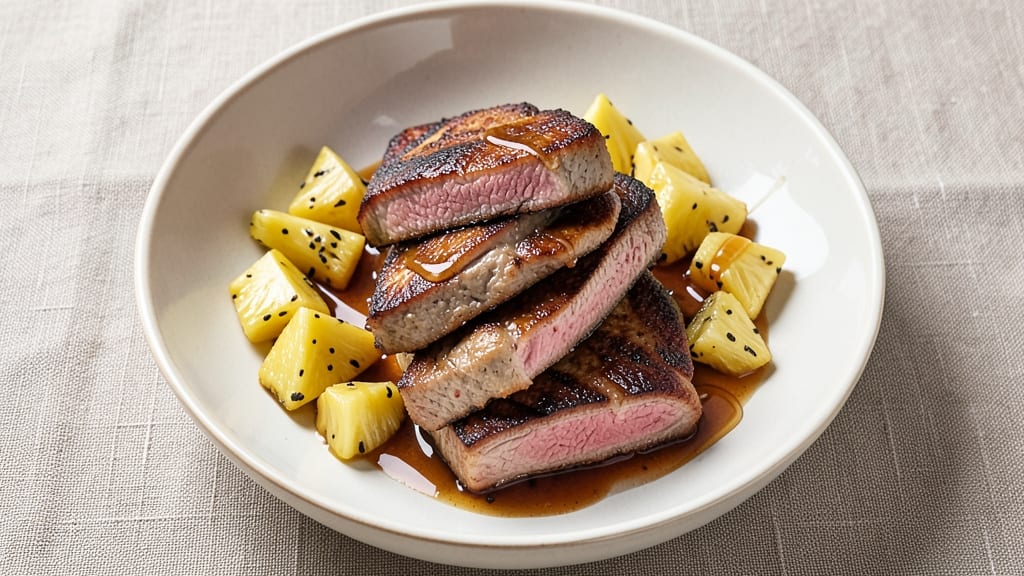
This Outback pineapple pork medallions recipe brings the bold flavors of tropical Australia to your dinner table with tender pork and sweet pineapple glaze. After perfecting this dish during my time in Charleston, I've refined the technique to deliver juicy medallions that stay perfectly tender while developing a caramelized crust.
The secret lies in marinating the pork just long enough to infuse flavor without overpowering its natural richness.
What makes this recipe special is the balance of sweet and savory—the pineapple glaze isn't just a topping, but a flavor bridge that enhances the pork's natural sweetness while adding tropical brightness.
I use a 30-minute marinade with pineapple juice and soy sauce, followed by a quick sear in a hot skillet. The glaze reduces to a sticky, caramelized finish that clings beautifully to the medallions.
By the time you're done, you'll have juicy, golden-brown pork medallions with a glossy pineapple glaze that's both sweet and tangy. The aroma alone will transform your kitchen into an Outback-inspired dining experience.
Serve over steamed jasmine rice or alongside roasted sweet potatoes for a complete meal that's restaurant-quality at home.
This dish pairs beautifully with a simple green salad or steamed vegetables to balance the richness. The technique is straightforward but delivers professional results—perfect for weeknight dinners or special occasions when you want to impress without spending hours in the kitchen. Let's get cooking!
Ingredients for outback pineapple and pork medallions
Pork medallions, tropical pineapple, and a caramelized glaze—these ingredients deliver restaurant-quality flavors at home.
| Ingredient | Amount | Notes |
|---|---|---|
| Boneless Pork Loin Chops 🥩 | 1 ½ lb | Cut into 1-inch medallions, pounded thin |
| Fresh Pineapple Chunks 🍍 | 1 ½ cups | Reserve 2 tbsp juice for marinade |
| Pineapple Juice 🍍 | ½ cup | Freshly squeezed, not canned |
| Soy Sauce 🥢 | ¼ cup | Low-sodium preferred |
| Brown Sugar 🍚 | ¼ cup | Packed, light or dark |
| Honey 🍯 | 2 tbsp | Wildflower preferred |
| Garlic Cloves 🧄 | 4 cloves | Minced, fresh preferred |
| Fresh Ginger 🌿 | 1 tbsp | Finely grated, peeled |
| Vegetable Oil 🫒 | 2 tbsp | High smoke point |
| Cornstarch 🌾 | 1 tbsp | For glaze thickening |
| Diamond Crystal Kosher Salt 🧂 | 1 tsp | For seasoning |
| Freshly Ground Black Pepper 🌶️ | ½ tsp | Cracked peppercorns preferred |
| Jasmine Rice 🍚 | 1 ½ cups | Uncooked, for serving |
The pork loin is key—look for cuts with good marbling for juiciness. Trader Joe's or Whole Foods often carry pre-cut loin chops, but if buying whole, ask the butcher to trim excess fat. Pound the medallions to even thickness so they cook uniformly. For the pineapple, Dole or Del Monte fresh chunks work best—avoid the canned kind with added syrup. The juice from those fresh chunks is what makes the marinade vibrant, so don't skip squeezing it out. If you're short on time, frozen pineapple chunks thawed overnight work too (just drain well).
No fresh pineapple juice? Coconut water or even apple juice in a pinch—though you'll lose some of that tropical depth. Swapping soy sauce? Tamari for gluten-free or coconut aminos for a lighter taste, but reduce by half since they're less salty. The honey adds that caramelized finish, but maple syrup works if you're avoiding honey. For the glaze, cornstarch is non-negotiable—it's what gives that glossy, sticky texture. If you're making this ahead, prep the marinade and chop all veggies first, then refrigerate the medallions in it for up to 12 hours (though 30 minutes is ideal).
The pork marinates best at room temperature for 30 minutes before cooking—no need to defrost if using frozen pineapple. Store leftover glaze in the fridge for up to 5 days (it reheats beautifully over pork or rice). The cooked medallions keep for 3 days in the fridge, but they're even better reheated the next day as the flavors meld. For a quick weeknight hack, make a double batch of glaze and freeze half in ice cube trays—just thaw and reheat when needed. The rice? Cook it in advance and keep warm in a rice cooker or covered pot.
Why You'll Love This Recipe
- One-Pan Magic: The pork and pineapple practically cook themselves while you sip your drink. I swear, just sear those chops, toss in the pineapple chunks and sauce, and let the oven do the work—no flipping, no fussing, just done.
- Sweet-Savory Balance: That caramelized brown sugar and soy glaze? It’s the kind of flavor that makes you close your eyes. The pineapple’s tang cuts through the richness of the pork, and honestly, I’ve never met a combo that doesn’t disappear faster than my willpower.
- Weeknight to Weekend: Make a double batch on Sunday—leftovers reheat like a dream for lunch or a quick dinner. Or serve it at your next BBQ; it’s got that restaurant-quality vibe without the pretension. (Yes, even on a Tuesday night.)
- Budget-Friendly Luxury: Pork loin chops feel fancy, but they’re actually affordable, and pineapple in season? A steal. This recipe stretches ingredients without sacrificing taste—proof that you don’t need a gourmet budget for a dish that feels like a treat.
Step-by-step instructions for Outback-style pineapple pork medallions
Here's how to create tender pork medallions with a caramelized glaze and sweet pineapple—just like the restaurant, but better.
Prepare the Pork Medallions and Marinade
Begin by cutting the 1.5 lb boneless pork loin chops into 1-inch medallions, then pound each piece to an even ¼-inch thickness using a meat mallet or rolling pin. This ensures even cooking and maximum tenderness. Place the medallions in a bowl and set aside.
In a small bowl, whisk together the 0.5 cup pineapple juice (reserved from the chunks), 0.25 cup soy sauce, 2 tbsp honey, 1 tbsp cornstarch, 1 tsp Diamond Crystal kosher salt, and 0.5 tsp freshly ground black pepper. Pour this marinade over the pork and let it sit for at least 15 minutes (or up to 30 minutes) in the refrigerator. This step infuses the pork with flavor and helps create a sticky, caramelized glaze later.
Cook the Pork Medallions to Perfect Doneness
Heat 2 tbsp vegetable oil in a large skillet over medium-high heat until shimmering. Add the pork medallions in a single layer, leaving space between each piece to avoid crowding. Cook undisturbed for 2-3 minutes per side until the pork reaches an internal temperature of 145°F and develops a golden-brown crust. You'll know it's ready when the edges pull away from the pan slightly.
Remove the pork from the skillet and set it aside on a plate. The residual heat will carry it to perfect doneness. If the pork releases too easily, it's not ready—let it cook a bit longer. Overcooking will make it tough, so use a meat thermometer for accuracy.
Build the Caramelized Pineapple Glaze
Reduce the heat to medium and add the 1.5 cups fresh pineapple chunks to the same skillet, spreading them out evenly. Cook for 2-3 minutes until the pineapple begins to soften and release its juices. Stir in the 4 minced garlic cloves and 1 tbsp finely grated fresh ginger, cooking for another 30 seconds until fragrant.
Pour in the 0.25 cup brown sugar and let it melt into the pineapple mixture, coating everything in a sticky glaze. The sugar will caramelize slightly, adding depth of flavor. Stir occasionally to prevent burning, and cook for 2-3 minutes until the mixture thickens and becomes syrupy. This is where the magic happens—the balance of sweet, tangy, and savory flavors comes together.
Finish with the Pork and Pineapple
Return the pork medallions to the skillet and spoon the pineapple glaze evenly over the top. Cook for an additional 1-2 minutes, just enough to heat through and let the pork absorb the flavors. The medallions should be coated in a glossy, caramelized glaze with tender pineapple chunks.
Serve the pork medallions immediately over 1.5 cups cooked jasmine rice, garnished with extra pineapple chunks if desired. The rice soaks up the delicious glaze, making every bite juicy and flavorful. For best results, prepare the rice separately while the pork cooks—it should be tender and slightly sticky.
Pro Tips For Making Outback Pineapple And Pork Medallions
- SEAR FIRST, THEN SLOW: Get your pork medallions screaming hot in a dry skillet for 2-3 minutes per side before adding any sauce—this locks in juices and builds that caramelized crust. I used to rush this step, and the pork always ended up dry or just barely cooked through.
- BRINE THE PINEAPPLE: Toss fresh pineapple chunks in a mix of 1 part pineapple juice to 2 parts water with a pinch of salt for 15 minutes before cooking. This keeps them from turning mushy when they hit the pan or sauce—trust me, it’s the thing that matters most.
- SKIP THE BOILING SOY: Reduce your soy sauce and brown sugar mixture to a thick glaze before adding pineapple juice—otherwise, you’ll end up with a watery sauce. Simmer it down until it coats the back of a spoon, then pour in the juice. (Yes, even if you’re impatient like me.)
- REST THE PORK UNDER FOIL: Once your medallions hit 145°F (5-7 minutes off the heat), tent them with foil for 5 minutes. I learned this the hard way—cutting into them too soon means juices running all over your plate instead of staying inside.
Common mistakes when making this dish
Over-Marinating Pork
I’ve seen many home cooks leave pork in the marinade for hours, thinking more time equals more flavor—but that’s a mistake. Pork absorbs marinade quickly, and beyond 30 minutes, it can become mushy or even start to cook slightly in the fridge.
The medallions should stay firm to the touch after marinating. If you’re short on time, 15 minutes still works, but don’t exceed 1 hour or you’ll risk texture issues. 🌶️
Skipping the Pounding Step
Uneven thickness is the #1 reason pork medallions turn out tough or undercooked. Pounding the medallions to ¼-inch thickness ensures they cook uniformly and stay juicy. If you skip this, some pieces will overcook while others remain raw.
Use a meat mallet or even a heavy rolling pin—just be gentle to avoid tearing the meat. Trust me, this step makes all the difference. ⚡
Crowding the Skillet
Adding all the pork medallions at once may seem faster, but it steams them instead of searing, leading to soggy results. Cook in batches if needed, leaving space between pieces for even browning.
A 12-inch cast-iron skillet is ideal—it holds heat well and gives you room to work. Overcrowding also makes it harder to flip, increasing the risk of uneven cooking. 🔥
Ignoring Internal Temp
Guessing doneness is a recipe for disaster. Pork medallions should reach 145°F internal temperature—any higher, and they’ll dry out. Invest in a good meat thermometer (I swear by ThermoWorks Smoke), and check the thickest piece.
If it pulls away from the pan but the temp isn’t there yet, let it cook a bit longer. Undercooked pork is unsafe; overcooked pork is sad. 🌡️
Rushing the Glaze Reduction
The pineapple glaze needs time to thicken and caramelize—don’t rush it! Stirring constantly prevents burning, but letting it simmer gently for 2-3 minutes develops that perfect sticky-sweet balance.
If you rush, the glaze will taste raw and watery. Patience here is key—it’s what transforms a good dish into a great one. ✨
Using Canned Pineapple
Canned pineapple chunks in syrup lack the bright acidity and natural juices of fresh pineapple. That syrup also dilutes the glaze, making it watery instead of glossy. If you’re using frozen pineapple, thaw it first and drain all the excess liquid.
For the best results, fresh pineapple is non-negotiable—it’s the secret to that restaurant-quality shine. 🍍
Nutrition facts
Frequently asked questions about pineapple pork medallions
Can I substitute chicken or beef for the pork?
While you can use chicken breast (cut into similar medallions), beef won't work as well—it's too tough and rich for this sweet-savory glaze. For chicken, reduce marinating time to 10-15 minutes and cook to 165°F internal temp. Pork's natural sweetness and tenderness make it ideal for this tropical glaze.
How do I make this dish gluten-free?
Replace the soy sauce with tamari or coconut aminos (use half the amount since they're less salty). For the glaze, ensure your cornstarch is certified gluten-free. The pineapple and honey remain naturally gluten-free, so the only adjustments are the sauce and thickener.
What's the best way to reheat leftovers?
Reheat in a skillet over medium-low heat with a splash of pineapple juice to restore moisture. Avoid microwaving—the glaze becomes rubbery. For medallions only, 1-2 minutes per side is perfect. Add fresh pineapple chunks when serving to brighten the flavors.
Can I make the glaze ahead of time?
Yes! Prepare the glaze ingredients (everything except pineapple chunks) up to 2 days ahead and store in the fridge. When ready to cook, simply add the pineapple chunks and reduce as directed. The marinade can also be prepped 12 hours in advance—just keep the pork refrigerated until cooking day.
What sides pair best with these medallions?
Jasmine rice (as suggested) is perfect, but also try coconut rice or grilled asparagus for contrast. For a tropical twist, serve with a simple mango-avocado salad or roasted sweet potato wedges**. The pineapple's sweetness balances hearty sides beautifully.