
Main Courses
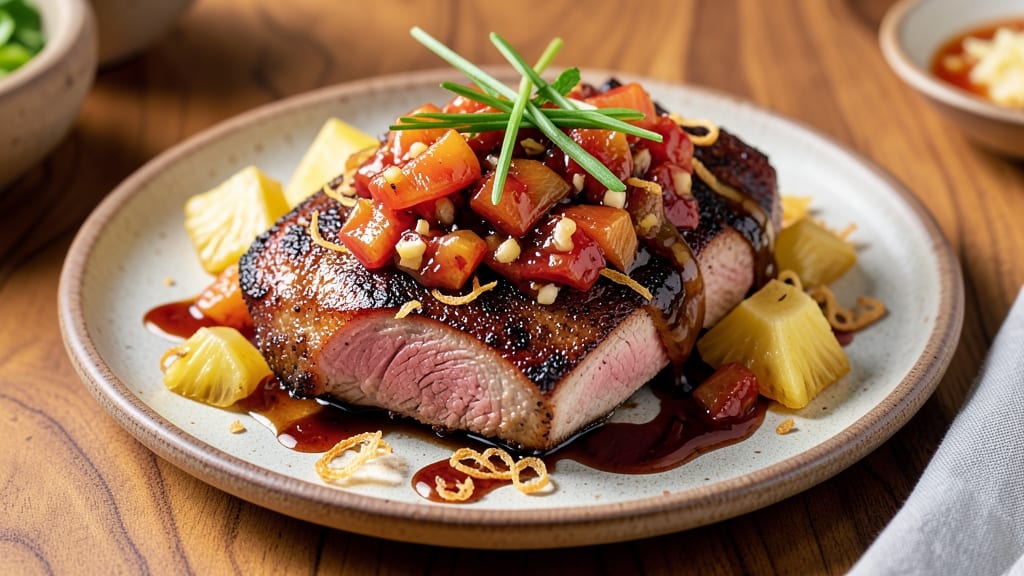
This pineapple chutney pork recipe transforms ordinary pork into something extraordinary with tropical sweetness that caramelizes into every bite. After years of perfecting the balance between sweet, tangy, and savory, I've created a dish where homemade chutney elevates simple pork chops to restaurant-worthy status.
The secret lies in slow-cooking the chutney until it develops deep caramelized notes that complement the tender pork beautifully.
The recipe begins with a vibrant pineapple chutney made from fresh pineapple, ginger, garlic, and a touch of tamarind for that signature tang.
While the chutney simmers, the pork gets marinated in a blend of soy sauce, brown sugar, and spices that create a perfect balance of sweet and savory flavors. The result is pork that's tender on the inside with a caramelized crust, all paired with that luscious chutney.
What makes this dish truly special is how the flavors come together. The caramelized chutney clings to the pork, creating a sticky, sweet-savory glaze that's impossible to resist. Each bite delivers a perfect harmony of textures and flavors—tender pork, crisp edges, and that vibrant chutney that brightens every mouthful.
It's the kind of dish that makes weeknight dinners feel like a special occasion.
Serve this tropical pork with steamed jasmine rice or crusty bread to soak up every last bit of that delicious chutney. The recipe scales beautifully, making it perfect for family dinners or hosting friends. Here's how to create this flavor-packed masterpiece that will have everyone asking for seconds.
Ingredients for pineapple chutney recipe for pork
Tropical flavors meet tender pork in this vibrant, caramelized masterpiece.
| Ingredient | Amount | Notes |
|---|---|---|
| Boneless Pork Chops 🐷 | 1 ½ lb | Thick-cut for even cooking |
| Fresh Pineapple 🍍 | 2 cups | Diced, juicy variety preferred |
| Fresh Ginger 🌿 | ½ cup | Finely grated, aromatic |
| Garlic Cloves 🧄 | 6 cloves | Minced for deep flavor |
| Tamarind Paste 🍯 | ¼ cup | For signature tang |
| Soy Sauce 🥢 | ½ cup | Light or dark preferred |
| Brown Sugar 🍚 | ½ cup | Packed, for caramelization |
| Olive Oil 🫒 | ¼ cup | Extra-virgin for richness |
| Ground Black Pepper 🌶️ | 1 tsp | Freshly cracked for heat |
| Ground Cinnamon 🌿 | ½ tsp | Warmth without overpowering |
| Garam Masala 🌶️ | ½ tsp | Toasted for aromatic depth |
| Red Chili Flakes 🔥 | ½ tsp | Adjust for spice preference |
| Salt 🧂 | 1 ½ tsp | Kosher or sea salt |
| Jasmine Rice 🌾 | 2 cups | Long-grain, uncooked |
| Water 💧 | 4 cups | For rice cooking |
The pineapple is the star—pick ripe, juicy fruit from the produce section (the sweeter, the better). Whole Foods or local markets often have the best quality, but even the grocery store stuff works if it's fresh. For the tamarind, look for blocks or paste in the international aisle—it's worth hunting down. The ginger should smell bright and zesty, not musty. If you can't find fresh tamarind, substitute lime juice (but it won't be quite the same). The pork chops? Thick-cut bone-in (like 1-inch thick) gives you that perfect crispy edge while staying tender inside. If you can't find them, pork loin cut into chops works too—just ask your butcher to slice it thick.
No tamarind? Lime juice plus a pinch of sugar gets you close, but the depth won't be identical. Fresh ginger too pricey? Ginger powder at half the amount works in a pinch (though it lacks that fresh zing). The soy sauce can be light or dark—I usually mix both for balance. For the spices, garam masala is non-negotiable—it's what ties everything together. If you're short on time, pre-mince the garlic (those jars at Trader Joe's are perfect). The chutney will caramelize beautifully—don't rush it—that's where all the magic happens. And if you're worried about the pork drying out, brine it for 30 minutes before cooking (just salt + water).
This chutney gets better with time—make a double batch and store it in the fridge for up to 2 weeks. The pork reheats beautifully—wrap in foil and warm in the oven for 10 minutes. The rice? Cook it ahead and keep it warm in a rice cooker. Leftovers? Freeze the chutney for 3 months—it's perfect for quick stir-fries later. And if you've got extra pork, slice it thin and serve it on toast with a dollop of chutney—trust me, it's a game-changer for breakfast the next day.
Why You'll Love This Recipe
- Here’s what sold me: the tamarind’s tang cuts through the pineapple’s sweetness, while the ginger and garlic add a slow-building heat. It’s not too sweet, not too sour—just right, with that crispy pork edge that makes every bite worth it.
- One-Pan Magic: I swear by this recipe when I’m too tired to wash dishes. The pork chops and pineapple chutney simmer together—no extra pans, no fuss—just that sticky-sweet glaze coating everything while I sip wine and pretend I’m not cooking.
- Sweet-Spicy Balance: Here’s what sold me: the tamarind’s tang cuts through the pineapple’s sweetness, while the ginger and garlic add a slow-building heat. It’s not too sweet, not too sour—just right, with that crispy pork edge that makes every bite worth it.
- Weeknight or Weekend Star: Make it on a Tuesday when you’re craving something special, or double the batch for a potluck where it disappears faster than the chips. The chutney keeps well, so you can prep ahead and just sear the pork when you’re ready—zero last-minute stress.
Step-by-step instructions for pineapple chutney pork with jasmine rice
Here's how to create a perfectly balanced dish where sweet, tangy, and savory flavors caramelize together.
Prepare the Pineapple Chutney Base
In a medium saucepan, combine the 2 cups of diced fresh pineapple, 0.5 cup of finely grated fresh ginger, and 6 minced garlic cloves. Cook over medium heat for 5 minutes until the pineapple softens slightly and releases its juices. This step builds the aromatic foundation of your chutney.
Add the 0.25 cup tamarind paste, 0.5 cup soy sauce, and 0.5 cup packed brown sugar. Stir continuously for 3 minutes until the sugar begins to dissolve and the mixture thickens slightly. You'll notice the colors deepen from vibrant yellow to rich amber as the caramelization begins. This is your signal to add the 0.25 cup olive oil, which will help balance the sweetness with richness.
Season and Simmer the Chutney
Reduce the heat to low and stir in the 1 tsp ground black pepper, 0.5 tsp ground cinnamon, 0.5 tsp garam masala, and 0.5 tsp red chili flakes. Let the mixture simmer uncovered for 10-12 minutes, stirring occasionally. The chutney should reduce until it reaches a thick, syrupy consistency that coats the back of a spoon.
Taste and adjust seasoning with the 1.5 tsp salt if needed. The perfect balance should have sweet pineapple, tangy tamarind, and warm spices harmonizing together. Remove from heat and let it cool while you prepare the pork. This resting period allows the flavors to meld completely.
Sear the Pork Chops to Perfection
Pat the 1.5 lb boneless pork chops dry with paper towels—this ensures maximum crispiness. Season both sides generously with any remaining salt from the chutney mixture. Heat a large skillet over medium-high heat and add the pork chops. Cook for 4-5 minutes per side until they develop a deep golden-brown crust.
During the last minute of cooking, reduce heat to medium and spoon some of the cooled chutney over the chops. This creates a beautiful glaze that locks in moisture while adding flavor. Transfer the chops to a plate and tent loosely with foil to keep warm while you cook the rice.
Cook the Jasmine Rice
Rinse the 2 cups jasmine rice under cold water until the water runs clear. This removes excess starch that would make the rice gummy. In a medium pot, combine the rinsed rice with 4 cups water and bring to a boil over high heat. Once boiling, reduce heat to low, cover tightly, and simmer for 15 minutes.
After 15 minutes, turn off the heat but leave the rice covered for an additional 10 minutes. This steaming method ensures perfectly fluffy, separate grains. Fluff the rice with a fork before serving, and drizzle with any remaining chutney from the pan.
Assemble and Serve
Slice the pork chops into ½-inch thick medallions and arrange them over the jasmine rice. Spoon the warm chutney generously over the top, allowing it to cascade down the sides. Garnish with additional red chili flakes if desired, and serve immediately while the pork is still juicy and the chutney is warm.
The combination of tender pork, fragrant rice, and sweet-tangy chutney creates a symphony of flavors where each component enhances the others. The caramelized edges on the pork will contrast beautifully with the smooth chutney, making every bite unforgettable.
Pro Tips For Making Pineapple Chutney Recipe For Pork
- CHAR THE GARLIC: Cook the minced garlic in oil until it’s deep golden—almost brown—before adding anything else. I learned this the hard way: raw garlic in chutney tastes sharp and medicinal, but caramelized garlic turns the whole dish rich and complex. (Yes, it’ll smell like heaven, but don’t burn it—just let it get toasty.)
- GRATE, DON’T CHOP: Use a box grater for ginger instead of mincing it—it releases more flavor and blends smoother into the chutney. I used to pulse it in a food processor, but the texture was always clumpy. Freshly grated ginger also softens faster in the heat, so it melts right into the sauce.
- SALT THE PINEAPPLE: Sprinkle a pinch of salt over the diced pineapple and let it sit for 10 minutes before cooking. This draws out excess juice and mellows its sweetness, so the chutney doesn’t taste cloying. (I know, it’s weird to salt fruit, but trust me—it balances the tamarind’s tang.)
- LOW AND SLOW: Simmer the chutney on medium-low heat for at least 15 minutes—don’t rush it. High heat makes the pineapple turn mushy and the tamarind taste bitter. My first batch was a disaster because I kept cranking the heat; now I let it bubble gently until it’s thick and glossy.
Regional styles of this pineapple chutney recipe for pork
Caribbean Spiced Pork
Inspired by Jamaican jerk traditions, this variation swaps the chutney for a jerk marinade with scotch bonnet peppers and allspice. Use 1.5 lb pork shoulder instead of chops, then slow-cook with the chutney as a glaze.
The result? Fall-off-the-bone meat with a fiery kick. I like using New Seasons Market's fresh pineapple and Penzeys allspice for that authentic Caribbean warmth. 🌶️
Thai-Inspired Pineapple Glaze
For a Southeast Asian twist, add 2 tbsp fish sauce and 1 tbsp lime zest to the chutney base. Serve with grilled lemongrass pork ribs instead of chops. The balance of sweet, sour, and umami creates a restaurant-quality dish.
I often make this version when hosting friends—it's always a crowd-pleaser. The Thai Kitchen brand curry paste works perfectly if you want extra depth. ✨
Indian Masala Fusion
Transform this into a pork vindaloo by adding 1 tbsp gojju powder and 1 tsp turmeric to the chutney. Cook the pork in a heavy pot with the chutney until tender, then finish with fresh cilantro.
Serve with basmati rice instead of jasmine. The MTR Foods gojju powder gives it that signature South Indian heat. 🌿
Hawaiian Luau Style
Swap the pork chops for grilled pork skewers and serve with the chutney as a dipping sauce. Add ½ cup macadamia nuts to the chutney for crunch.
The tropical flavors shine even brighter with this presentation. I love using local Hawaiian pineapple when available—it's sweeter than mainland varieties. Perfect for summer gatherings! 🌺
Portland-Inspired Vegan Option
For a plant-based version, use mushroom and tofu "chops" marinated in soy sauce and smoked paprika. Serve with the same chutney and rice. The New Seasons Market tofu selection works perfectly. This version keeps all the sweet-tangy flavors while being completely vegan. 💚
Nutrition facts
Frequently asked questions
Can I use canned pineapple instead of fresh for the chutney?
Fresh pineapple gives the best texture and flavor, but you can use canned in a pinch! Drain the pineapple well and pat it dry before dicing. For extra brightness, add 1 tablespoon lime juice to the chutney. The texture will be slightly softer, but the sweet-tangy balance will still shine through.
How do I adjust the spice level in the chutney?
The recipe includes 0.5 teaspoon red chili flakes for a mild kick. For more heat, add ½ teaspoon cayenne pepper or 1 chopped fresh chili (like jalapeño or serrano). If you prefer no spice, simply omit the chili flakes entirely—the other spices will still provide depth. Taste as you go!
What if my pork chops are thin and cook too quickly?
Thin pork chops (under ½-inch thick) need special care. Start them in a cold skillet with 1 tablespoon butter or oil, then cook on low heat for 2-3 minutes per side until just pink inside. For extra tenderness, pound them gently with a meat mallet before cooking.
Can I make this recipe ahead of time?
The chutney can be made 2 days ahead and stored in the fridge. Reheat gently on the stove before serving. For the pork, cook it fresh for best texture, but you can reheat leftovers in the oven at 350°F for 10 minutes wrapped in foil. The rice reheats well too—just add a splash of water and steam.
What's the best way to serve this dish for a crowd?
Double the chutney recipe and serve it as a dipping sauce in small bowls. Cook the pork in batches and keep it warm in a 200°F oven while serving. Prepare the rice in a large pot or rice cooker. For presentation, arrange the pork on a platter with rice on the side and chutney in the center for self-serving.