
Sauces & Condiments
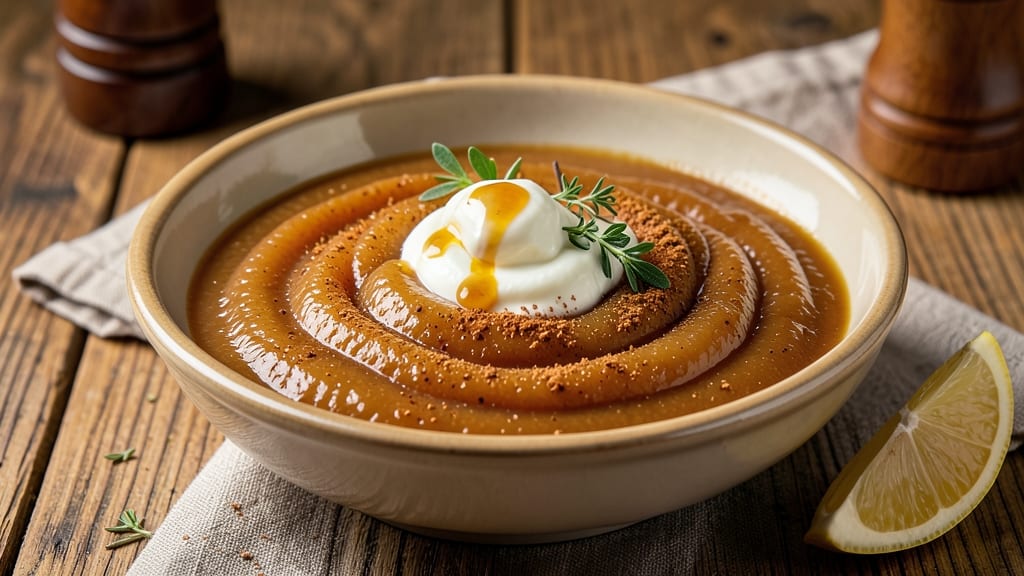
The Macintosh applesauce recipe transforms sweet, crisp Macintosh apples into a velvety, naturally sweetened sauce with just a touch of spice. This method preserves the apples' vibrant color and delicate flavor while creating a texture that's perfectly smooth or lightly textured—without any added sugar.
The secret lies in a gentle simmer that coaxes out the apples' natural sweetness, enhanced by warm cinnamon and a hint of vanilla.
What sets this recipe apart is its simplicity and versatility. With just 5 ingredients and 20 minutes of active time, you'll create a sauce that's ideal for serving alongside roasted meats, pairing with cheese boards, or spreading on toast.
The Macintosh variety, known for its crisp texture and mild sweetness, holds up beautifully during cooking, ensuring a balanced flavor profile that's neither overly tart nor cloyingly sweet.
By the end, you'll have a silky, aromatic applesauce that's rich with natural apple flavor and subtle spice notes. The recipe yields about 4 servings, making it perfect for meal prep or gifting.
Store it in the refrigerator for up to 5 days or freeze for longer shelf life—though you'll likely use it all before then.
Whether you prefer a velvety smooth finish or a lightly textured bite, this recipe delivers a restaurant-quality condiment that's healthier and more flavorful than store-bought versions. The cinnamon and vanilla infuse the sauce with warmth, while the apples' natural sweetness shines through. Ready to make it?
Ingredients for macintosh apple sauce
Five ingredients transform Macintosh apples into velvety, naturally sweetened applesauce with restaurant-quality depth.
| Ingredient | Amount | Notes |
|---|---|---|
| Macintosh Apples 🍎 | 4 lb | Organic preferred, peeled and cored |
| Water 💧 | 1 ½ cups | Filtered or spring water preferred |
| Ground Cinnamon 🍃 | 1 tsp | Ceylon cinnamon for delicate flavor |
| Pure Vanilla Extract 🍯 | ½ tsp | High-quality Madagascar bourbon preferred |
| Lemon Juice 🍋 | 1 tbsp | Freshly squeezed, organic preferred |
| Unsalted Butter 🧈 | 1 tbsp | Cold, cubed for finishing |
Macintosh apples are the star here—organic or locally sourced delivers the brightest flavor. Look for firm, unblemished apples with vibrant red-yellow skin; Trader Joe's or Whole Foods typically carry them in season. The apples should yield to gentle pressure but not feel mushy. If using conventional apples, thoroughly wash them to remove any wax residue. For the cinnamon, Penzeys Spices offers Ceylon cinnamon, which has a more delicate, sweeter profile than cassia. The vanilla extract should be pure, with no alcohol fillers—Madagascar bourbon vanilla adds depth without overpowering.
No Ceylon cinnamon? Regular ground cinnamon at half the amount works, though the flavor will be slightly stronger. Short on vanilla? Vanilla bean paste or scraped seeds from one pod provide similar richness. The lemon juice can be swapped for apple cider vinegar at the same quantity, though the flavor profile will shift slightly. For a sugar-free option, ensure the apples are fully ripe—underripe apples will yield a tart sauce. The butter is purely for finishing; if avoiding dairy, vegan butter or coconut oil can be used, though the texture may vary slightly.
This applesauce keeps beautifully in the fridge for up to 5 days in an airtight container, though the flavor improves over time as the spices meld. For longer storage, freeze in ice cube trays or small jars—thaw overnight in the fridge. The sauce reheats perfectly on the stovetop or in the microwave, though it may thicken slightly. For a smoother texture, mash with a potato masher after cooking. The butter should be added at the very end to maintain its richness without burning.
Why You'll Love This Recipe
- No Peel, No Fuss: I’ll admit, I used to skip this step—until I realized Macintosh apples peel effortlessly when simmered. Just core, chop, and toss them in boiling water. The skins soften right into the sauce, saving me 10 minutes of peeling and still delivering that velvety texture.
- Cinnamon-Kissed Magic: That first spoonful of warm sauce—sweet from the apples, brightened by lemon, and wrapped in cinnamon—feels like a hug. Honestly, the vanilla extract ties it all together, making it taste like autumn in a jar without any artificial junk.
- Pantry Staple Power: Between us, this recipe uses ingredients you already own. No specialty items, no last-minute grocery runs. The cinnamon and vanilla elevate the humble apple, and the lemon juice keeps it from tasting flat—perfect for when you’re low on time or inspiration.
- Freezer-Friendly Flex: I make a double batch every fall because this sauce keeps perfectly in the freezer for months. Thaw it for oatmeal, dollop it on toast, or stir it into yogurt—it’s my go-to when I need something quick but still feels special. No waste, all reward.
Step-by-step instructions for Macintosh applesauce
Here's how to transform Macintosh apples into velvety applesauce with natural sweetness and aromatic depth.
🍳 Step 1: Peel, Core, and Chop the Apples
Start by peeling the 4 lb Macintosh apples using a vegetable peeler or sharp paring knife. I prefer peeling them completely to ensure a smooth, silky texture—any remaining skin can make the finished sauce slightly grainy. Once peeled, cut each apple in half through the core, then remove the core using a sturdy apple corer or small knife.
Next, slice the peeled apple halves into ¼-inch thick pieces. For even cooking, aim for uniform slices—this prevents some pieces from becoming mushy while others remain undercooked. Place the chopped apples in a large mixing bowl as you work. The apples should yield about 6-8 cups of chopped pieces, depending on their size and juiciness.
🍳 Step 2: Simmer Apples and Water Until Tender
In a large, heavy-bottomed pot, combine the chopped Macintosh apples with the 1.5 cups water. Bring the mixture to a boil over medium-high heat, then reduce the heat to medium-low to maintain a gentle simmer. The apples will release their juices almost immediately, creating a frothy liquid on top.
Let the apples simmer uncovered for 15-20 minutes, stirring occasionally to prevent sticking. You'll know they're ready when a knife slides in easily and the texture breaks down into a thick, chunky mash. The apples should be tender but not falling apart—this ensures a balanced texture in the final sauce. If the mixture looks too dry, add a splash of water, but aim to keep the natural juices intact.
👨🍳 Step 3: Add Spices and Simmer for Depth of Flavor
Once the apples are tender, stir in the 1 tsp ground cinnamon and 0.5 tsp pure vanilla extract. The cinnamon will infuse warmth and complexity, while the vanilla adds a subtle, aromatic sweetness that enhances the apples' natural flavor. Let the mixture simmer for an additional 5-7 minutes to allow the spices to meld fully into the sauce.
During this time, taste the sauce to assess its natural sweetness. Macintosh apples are naturally sweet but can vary in intensity. If it needs a touch more brightness, stir in the 1 tbsp lemon juice. This not only balances the sweetness but also brightens the overall flavor profile. The sauce should taste harmoniously spiced without being overpowering.
🍳 Step 4: Finish with Butter for Richness
Remove the pot from heat and stir in the 1 tbsp cold, cubed unsalted butter. The butter will melt into the warm applesauce, adding a luxurious richness and helping to create a silky, velvety texture. Let the sauce sit off the heat for 2-3 minutes to allow the butter to fully incorporate and the flavors to settle.
For a smoother consistency, use an immersion blender to blend the sauce until completely smooth. If you prefer a slightly chunkier texture, skip blending and simply stir vigorously with a wooden spoon. The sauce should be thick but still spoonable—if it's too thick, thin it with a little apple juice or water as needed. The final sauce should coat the back of a spoon with a glossy sheen.
⏰ Step 5: Rest and Serve Warm
Transfer the applesauce to a serving bowl or individual ramekins. Let it rest for 10 minutes before serving—this allows the flavors to fully develop and the texture to set slightly. Serve warm, either as a side dish with roasted meats or as a comforting dessert with a dollop of whipped cream or a sprinkle of cinnamon.
The sauce will continue to thicken slightly as it cools, so adjust the consistency to your preference before serving. Store any leftovers in an airtight container in the refrigerator for up to 5 days, or freeze for up to 3 months. The natural sweetness and aromatic spices will make this applesauce a standout addition to any meal.
Pro Tips For Making Macintosh Apple Sauce
- PEEL AND CORE UNIFORMLY: Macintosh apples have thick skin and a stubborn core—take the time to slice them into even wedges (peel first if you prefer) so they cook at the same rate. I learned this the hard way when one batch turned to mush while others stayed firm.
- START WITH COLD WATER: Pour room-temperature or cold water over the apples instead of hot—it keeps them from breaking apart immediately and lets you control the cooking speed. Hot water turns them into applesauce soup faster than you’d like.
- SIMMER NOT BOIL: Keep the heat low enough that the water barely bubbles at the edges, or you’ll end up with a watery, flavorless mush. A gentle simmer preserves texture and lets the cinnamon and vanilla infuse properly.
- SALT THE WATER: Yes, even applesauce benefits from a pinch of salt—about ¼ teaspoon in the water. It enhances the natural sweetness and balances the acidity of the lemon juice without overpowering the dish. (Your future self will notice the difference.)
Perfect pairings for macintosh apple sauce
Cheese Board Pairing
This spiced applesauce shines on a cheese board with its natural sweetness and warm cinnamon notes. I love pairing it with aged cheddar from Vermont—its sharp tang cuts through the applesauce’s richness.
Add brie or camembert for creaminess, and finish with walnuts or almonds for crunch. The butter finish in the sauce adds a luxurious touch that elevates the entire spread. 🧀
Roasted Meat Companion
Serve this applesauce alongside roasted pork tenderloin or chicken thighs for a classic pairing. The sauce’s subtle sweetness and spice complement the savory, caramelized crust of the meat beautifully. I often drizzle it over the meat at the table for an extra burst of flavor.
For a heartier meal, pair it with roasted root vegetables like carrots and parsnips. 🍖
Breakfast Spread
Warm this applesauce and spread it on toasted sourdough or brioche for a cozy breakfast. Top with a sprinkle of granola or chopped pecans for added texture. It’s also delicious swirled into Greek yogurt or ricotta cheese for a sweet-savory twist.
The vanilla and cinnamon make it taste like a bakery treat without any added sugar. 🍞
Dessert Topping
Use this applesauce as a topping for vanilla ice cream or panna cotta for a warm contrast. The natural sweetness balances the creaminess, while the cinnamon adds depth. I also love spooning it over warm pancakes or waffles for a restaurant-worthy brunch.
For an extra touch, garnish with a pinch of cinnamon or a drizzle of honey. 🍦
Beverage Pairings
Pair this applesauce with hot chai tea or spiced apple cider for a cozy, autumnal vibe. The cinnamon and vanilla in the sauce echo the warm spices in these drinks. For a non-alcoholic option, try it with sparkling apple cider—the bubbles cleanse the palate beautifully.
If you prefer coffee, a cup of dark roast with a hint of vanilla complements the sauce’s richness. ☕
Nutrition facts
Frequently asked questions
Can I use other apple varieties instead of Macintosh?
While Macintosh apples are ideal for their mild sweetness and tender texture, you can substitute with Fuji, Gala, or Honeycrisp apples. These varieties hold up well during cooking and add a slightly different flavor profile. Avoid tart apples like Granny Smith unless you want a more acidic sauce. Just note that the cooking time may vary slightly depending on the apple's density.
How do I adjust the texture to be smoother or chunkier?
For a smoother texture, use an immersion blender after cooking to puree the sauce completely. If you prefer chunks, simply mash the cooked apples with a potato masher instead of blending. For extra chunkiness, leave some whole apple pieces in the sauce. The butter and vanilla help create a silky finish regardless of texture.
Can I make this applesauce without added sugar?
Yes! This recipe relies on the natural sweetness of Macintosh apples. For best results, use fully ripe apples—they'll yield a sweeter sauce. If your apples taste tart, let them simmer a few extra minutes to concentrate their natural sugars. The cinnamon and vanilla enhance sweetness without any added sugar, making this a naturally sweetened option.
Why does my applesauce turn out watery?
Watery applesauce usually happens when too much liquid is added or the apples weren't cooked long enough. To fix it, simmer the sauce uncovered for an additional 5-10 minutes to evaporate excess liquid. If needed, mash the apples more thoroughly or blend them for a smoother, thicker consistency. Always start with 1.5 cups water—this is the ideal amount for 4 lb of apples.
How can I make this applesauce ahead of time?
This applesauce keeps beautifully in the fridge for up to 5 days in an airtight container. For longer storage, freeze it in ice cube trays or small jars for up to 3 months. Thaw overnight in the refrigerator and reheat gently on the stove or microwave. The flavors actually improve as it sits, making it perfect for meal prep or gifting.