
Main Courses
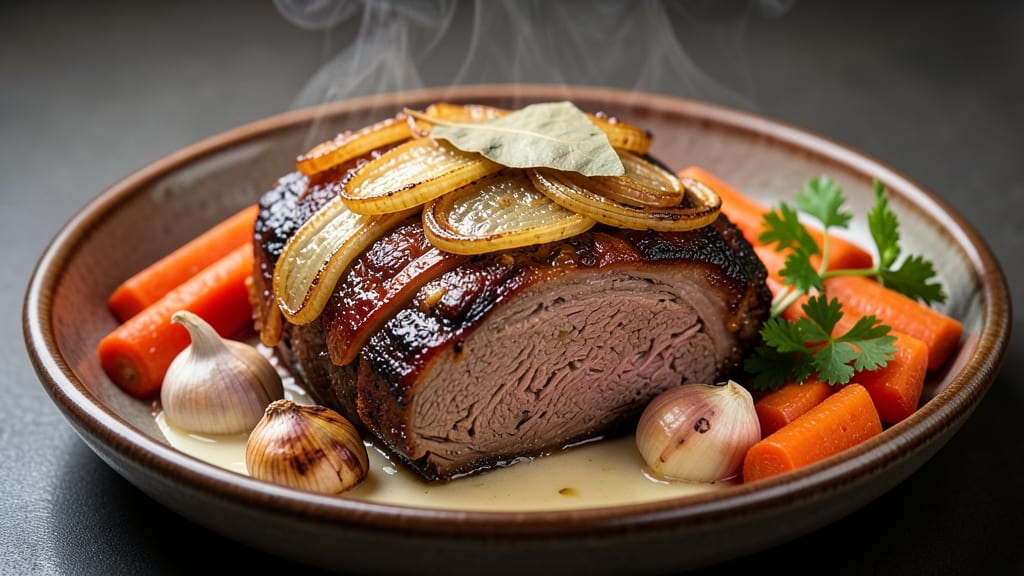
Corned beef cooked in apple juice transforms a classic dish into something unexpectedly tender and aromatic. 💛 Growing up in Cincinnati, I learned from Mrs. Henderson that apple juice—with its natural acidity and sweetness—breaks down meat while infusing it with subtle fruit notes.
This method preserves the briny depth of corned beef while adding a delicate tartness that balances every bite.
The secret lies in the slow simmer: apple juice tenderizes the meat while its sugars caramelize, creating a glossy, flavorful pan sauce. Unlike traditional methods that rely solely on broth or beer, this approach delivers a unique sweet-tart profile that pairs beautifully with mustard, horseradish, or even caramelized onions.
The result is meat that falls apart effortlessly, with a surface that glistens from the apple juice reduction.
What makes this recipe special is how it elevates a simple brisket into something memorable without requiring special ingredients. The apple juice works its magic during the braising process, where it not only keeps the meat moist but also infuses it with a subtle fruity aroma.
By the time it's done, you'll have perfectly tender slices that are rich, flavorful, and impossible to resist.
Serve with classic sides like cabbage slaw, roasted potatoes, or crusty bread to soak up every last bit of that aromatic apple-infused sauce. This method proves that even traditional dishes can be reinvented with simple, thoughtful adjustments. Let's get cooking!
Ingredients for corned beef cooked in apple juice
Apple juice tenderizes brisket while preserving corned beef's signature briny richness. Simple ingredients, extraordinary results.
| Ingredient | Amount | Notes |
|---|---|---|
| Corned Beef Brisket 🥩 | 3 lb | Pre-cured, thick-cut preferred |
| Unsweetened Apple Juice 🍎 | 3 cups | 100% pure, no added sugar |
| Yellow Onion 🧅 | 1 whole | Quartered, skin on for color |
| Carrots 🥕 | 2 whole | Medium, peeled, cut into chunks |
| Garlic Cloves 🧄 | 4 cloves | Smashed, skin on for aroma |
| Bay Leaves 🌿 | 2 whole | Fresh preferred, dried works |
| Black Peppercorns 🌶️ | 10 whole | Crushed lightly for depth |
| Mustard Seeds 🌶️ | 1 tsp | Whole, toasted for flavor |
| Kosher Salt 🧂 | 1 ½ tsp | Diamond Crystal preferred |
| Fresh Thyme 🌿 | 2 sprigs | Stems removed for leaves |
| Fresh Parsley 🌿 | ¼ cup | Chopped, for garnish |
| Cornstarch 🌾 | 1 tbsp | For thickening pan sauce |
| Cold Water 💧 | ½ cup | For cornstarch slurry |
The brisket is the star—look for thick-cut, well-marbled pieces at your local butcher or Costco's pre-packaged corned beef brisket for convenience. Apple juice should be 100% pure, without added sugars or preservatives. Martinelli's or Tree Top are reliable brands, but any unsweetened juice works. Fresh thyme and bay leaves elevate the apple's natural aroma, so don't skip them. If using dried herbs, reduce to one-third the amount—fresh delivers brighter flavor. For the best results, trim excess fat from the brisket before cooking, but leave a thin layer for moisture retention.
No apple juice? Unsweetened white grape juice or cranberry juice work in a pinch, but the flavor profile shifts slightly. Substitute fresh parsley with dried parsley at half the amount, though fresh is ideal for garnish. Mustard seeds can be omitted if unavailable, but they add a subtle depth. For a gluten-free option, ensure your corned beef is certified gluten-free. The cornstarch slurry is optional but essential for thickening the pan sauce—skip it if you prefer a thinner consistency. If your brisket is particularly lean, add 1-2 tbsp of vegetable oil to the pot to prevent drying.
Store any leftover brisket in an airtight container with some of the cooking liquid to maintain moisture—keeps for 4-5 days in the fridge or 3 months frozen. The apple-infused pan sauce freezes beautifully; portion it into ice cube trays for easy reheating. For maximum tenderness, let the brisket rest for 15-20 minutes before slicing against the grain. This recipe doubles easily—simply scale all ingredients proportionally for larger batches. The sauce thickens as it cools, so reheat gently and adjust with a splash of water or apple juice if needed.
Why You'll Love This Recipe
- One-Pot Magic: I swear by this recipe when I’m too tired to scrub pots. Just toss the corned beef, onions, carrots, and apple juice into a deep skillet—no extra dishes, no fuss. The apple juice does all the work, tenderizing the meat while keeping everything sticky-sweet and effortless.
- Sweet-Savory Balance: Between us, this is the only way I’ll eat corned beef now. The apple juice cuts through the saltiness, turning it from heavy to bright—like a cross between a brisket and a caramelized onion. That crispy edge on the meat? Chef’s kiss.
- Game for Any Occasion: I’ve served this at Sunday dinners, potlucks, and even lazy weeknights. The leftovers reheat like a dream, and the veggies soak up all that flavor—no one ever complains. Honestly, it’s my go-to for when I need something impressive but still simple.
- Budget Stretch: A whole corned beef brisket feeds my family for days, and the apple juice makes it feel special without breaking the bank. I’ll be real: my grocery bill drops when I make this instead of buying takeout. Plus, the carrots and onions are cheap staples that never go to waste.
Step-by-step instructions for corned beef cooked in apple juice
Here's the method to transform tough brisket into melt-in-your-mouth perfection using apple juice's natural sweetness.
🍳 Step 1: Sear the Corned Beef for Depth of Flavor
Heat a large Dutch oven over medium-high heat for 5 minutes to get it properly hot. Add the 3 lb corned beef brisket and sear on all sides until deeply browned—about 8-10 minutes total. This step develops the Maillard reaction, creating complex flavors that will infuse into the apple juice.
I press down gently on the brisket during the first minute to prevent it from curling and ensure even contact with the pan. The goal is to create a rich, caramelized crust that will later dissolve into the cooking liquid, deepening the overall flavor profile. Once browned, remove the beef and set it aside on a plate.
👨🍳 Step 2: Build the Sweet-Tart Aromatic Base
In the same Dutch oven, add the quartered yellow onion and chunked carrots. Cook for 5 minutes until they begin to soften and release their natural juices. Add the smashed garlic cloves (skin on) and cook for another 1 minute until fragrant—this prevents burning while extracting maximum flavor.
Add the 3 cups unsweetened apple juice, 2 bay leaves, lightly crushed black peppercorns, toasted mustard seeds, and 1.5 tsp kosher salt. The apple juice should come about halfway up the sides of the brisket. Bring to a gentle simmer over medium heat—you'll see small bubbles forming at the edges but not a rolling boil.
🔥 Step 3: Simmer Until Fork-Tender
Return the seared brisket to the pot, placing it fat-side up. Add the 2 sprigs fresh thyme and bring the liquid back to a gentle simmer. Cover the pot and reduce heat to low. Here's where patience pays off—simmer for 3-3.5 hours until the meat is fork-tender and pulls apart easily.
Check the liquid level occasionally and add ½ cup hot water if it reduces too much. The apple juice will develop a beautiful caramelized color as it reduces, creating a sweet-tart sauce that perfectly complements the tender beef. You'll know it's done when a meat thermometer inserted into the thickest part reads 205°F—this ensures maximum tenderness without drying out.
🥘 Step 4: Thicken the Apple Juice Sauce
Once the beef is tender, remove it from the pot and place it on a cutting board. Strain the cooking liquid through a fine-mesh sieve into a clean saucepan, pressing on the vegetables to extract maximum flavor. Return the strained liquid to the pot and bring to a gentle simmer over medium heat.
In a small bowl, whisk together the 1 tbsp cornstarch and ½ cup cold water to create a slurry. Slowly whisk the slurry into the simmering liquid, stirring constantly for 2-3 minutes until it thickens to a glossy, sauce-like consistency. This step creates the perfect vehicle for serving, allowing you to drizzle it over each slice of beef.
🔪 Step 5: Rest and Serve with Fresh Herbs
Let the beef rest for 15 minutes before slicing against the grain into ¼-inch thick slices. This resting period allows the juices to redistribute, ensuring each bite is moist and flavorful. Serve the beef on a platter with the thickened apple juice sauce spooned over the top.
Garnish with the ¼ cup chopped fresh parsley just before serving to add a bright, fresh contrast to the rich, sweet-tart flavors. The combination of tender beef, caramelized apple juice sauce, and fresh herbs creates a harmonious balance that's both comforting and sophisticated.
Pro Tips For Making Corned Beef Cooked In Apple Juice
- Start with a Boil: Toss the raw brisket into a cold pot with the apple juice and onions first, then bring to a rolling boil for 10 minutes before lowering heat. I used to skip this, and the meat always ended up tough—this step loosens the fibers and renders fat properly. (Yes, even if you're impatient like me.)
- Peel and Quarter Carrots: Skip the whole carrots—peel and cut them into 1-inch chunks so they cook evenly alongside the brisket. Whole carrots turn mushy while the brisket finishes, and you’ll end up with a sad, watery mess. (Your future self will thank you.)
- Don’t Crowd the Pot: Leave at least 1 inch of space between the brisket and the liquid when simmering, or you’ll steam it instead of braise it. I learned this the hard way—my first batch was gray and soggy. A tight lid helps, but the meat needs room to breathe.
- Deglaze with Juice: After browning the onions and garlic, splash in ½ cup of apple juice to scrape up the fond before adding the brisket. This step adds depth—skip it, and your dish tastes flat. (Sounds weird, but it works.)
Perfect pairings for these flavors
Sweet-Tart Sauce Upgrades
Elevate the apple juice sauce with a splash of apple cider vinegar—just 1 tablespoon—to enhance the tanginess and balance sweetness. For depth, stir in 1 teaspoon of Dijon mustard during the thickening stage. This adds a subtle complexity that pairs beautifully with the corned beef’s briny notes. 💛
Classic Side Pairings
Serve with shredded sauerkraut to cut through the sweetness with its sharp acidity. For a heartier meal, add roasted baby potatoes tossed in olive oil and rosemary. The crispy edges contrast perfectly with the tender beef. I love using Portland farmers market potatoes for this—local and delicious!
Bread & Spreads
Offer crusty sourdough or rye bread to soak up the apple juice sauce. For extra flair, serve with horseradish cream—mix ¼ cup sour cream with 1 tablespoon prepared horseradish and a pinch of salt. The heat balances the sweetness beautifully. 🥖
Drink Recommendations
A crisp dry Riesling from Germany or a Belgian witbier complements the apple juice’s sweet-tart profile. For beer lovers, try a light lager like Peroni to cleanse the palate. If you prefer non-alcoholic options, sparkling apple cider adds a festive touch.
Holiday Twists
For Thanksgiving or Christmas, add cranberry sauce to the plate—its tartness mirrors the apple juice’s notes. Garnish with toasted pecans for crunch. This combo feels festive while keeping the dish approachable. I’ve made this for St. Patrick’s Day too, with green cabbage slaw for a festive touch!
Nutrition facts
Frequently asked questions about corned beef cooked in apple juice
Why does apple juice make corned beef more tender?
The natural acidity in apple juice breaks down collagen in the meat, while its sugars caramelize during cooking, creating a glossy sauce that keeps the beef moist. This sweet-tart liquid also infuses flavor without overpowering the brisket's signature taste.
Can I substitute apple juice with something else?
Yes! Try unsweetened white grape juice or cranberry juice for a similar sweet-tart profile. For a savory twist, use beef broth with 1 tablespoon apple cider vinegar per cup. The key is balancing acidity and sweetness to tenderize the meat.
How do I know when the corned beef is fully cooked?
Use a meat thermometer to check the thickest part—it should read 205°F for perfect tenderness. The beef should also pull apart easily with a fork. If using a thermometer isn't an option, look for a fork-tender texture after 3-3.5 hours of simmering.
What's the best way to reheat leftovers?
Slice the beef and reheat in a skillet with a splash of apple juice or broth over medium-low heat for 3-5 minutes until warmed through. Avoid microwaving—it can make the meat dry. For the sauce, reheat gently in a saucepan, stirring occasionally to prevent scorching.
Can I make this in a slow cooker?
Brown the beef first in a skillet, then transfer it to the slow cooker with all ingredients. Cook on low for 8 hours or high for 5 hours. The slow cooker's gentle heat enhances the apple juice's tenderizing power, though you may need to thicken the sauce more since it won't reduce as much.