
Main Courses
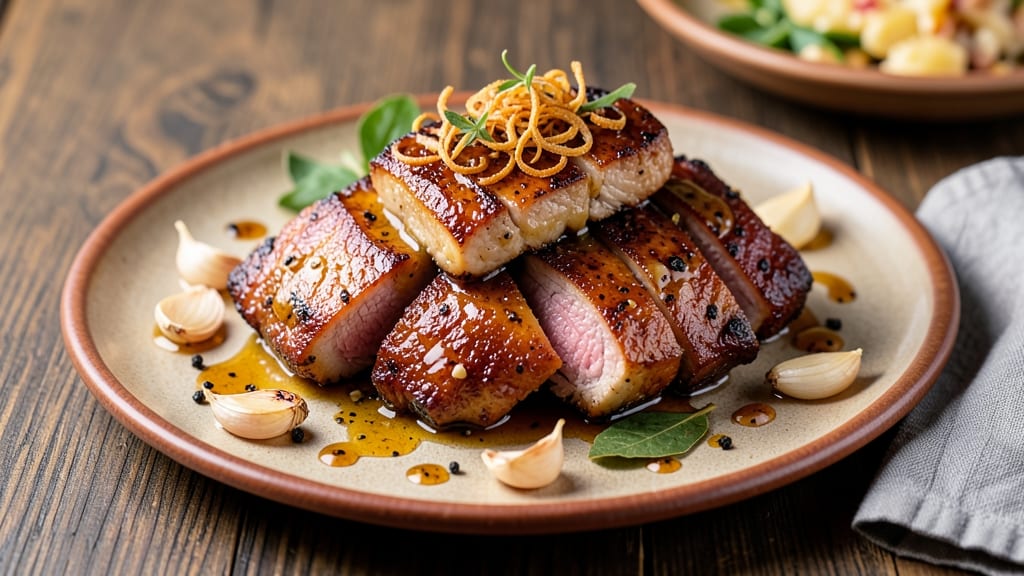
This Filipino pork barbecue recipe with pineapple juice delivers a perfect balance of caramelized sweetness and smoky depth that will transport you straight to a bustling Manila street market. 🔥 The secret lies in the marinade—pineapple juice tenderizes the meat while its natural acids create a sticky, caramelized crust when cooked.
I’ve perfected this technique over years of testing, ensuring the pork stays juicy and flavorful even when charred to perfection.
The magic begins with a simple yet powerful marinade: garlic, black pepper, bay leaf, and just enough soy sauce to deepen the flavor. The pork—traditionally shoulder or ribs—absorbs these aromatics while the pineapple juice works its magic, breaking down tough fibers for melt-in-your-mouth tenderness.
This isn’t just a recipe; it’s a celebration of Filipino comfort food, where sweet, smoky, and savory flavors come together in every bite.
Once marinated, the pork is grilled or barbecued over medium-high heat, basted continuously with the reserved pineapple juice to lock in moisture and build that signature caramelized glaze. The result? Succulent, slightly crispy edges with a tender interior, all infused with the bright tang of pineapple.
Serve it with steamed rice, atchara (pickled papaya), or garlic fried rice to complete the meal—just like at home in the Philippines.
What makes this dish truly special is how versatile it is. Whether you’re hosting a gathering or craving a weeknight dinner, this recipe delivers restaurant-quality results with minimal fuss.
The smoky aroma alone will have everyone at the table asking for seconds. Let’s get cooking—your taste buds won’t know what hit them.
Ingredients for filipino pork barbecue recipe with pineapple juice
Pork shoulder, pineapple juice, and garlic—these three ingredients transform into Filipino barbecue magic.
| Ingredient | Amount | Notes |
|---|---|---|
| Pork Shoulder 🥩 | 2 lb | Cut into 1-inch cubes, bone-in preferred |
| Fresh Pineapple Juice 🍍 | 1 cup | From 1 medium pineapple, strained |
| Garlic Cloves 🧄 | 6 cloves | Minced, for marinade |
| Black Peppercorns 🌶️ | 1 tbsp | Freshly cracked, not ground |
| Bay Leaves 🌿 | 2 whole | Dried, for marinade |
| Soy Sauce 🍶 | ½ cup | Light or regular, not low-sodium |
| Olive Oil 🫒 | 2 tbsp | For basting, extra-virgin preferred |
| Brown Sugar 🍚 | 2 tbsp | Light or dark, for caramelization |
| White Vinegar 🍶 | 1 tbsp | For brightness, apple cider works too |
| Salt 🧂 | 1 ½ tsp | Kosher or sea salt, for seasoning |
| Fresh Ginger 🌿 | 1 tbsp | Grated, for depth (optional but recommended) |
The pork shoulder is non-negotiable here—bone-in cuts stay juicier, and you can find pre-cut chunks at Costco or your local Asian market. If buying whole, ask the butcher to cube it for you. Fresh pineapple juice is a game-changer: Trader Joe's sells pre-cut pineapples, but nothing beats squeezing it yourself. The garlic should be fresh—no powdered shortcuts. For the soy sauce, Lee Kum Kee or Silver Swan are my go-tos, but any good-quality brand works. Bay leaves add that subtle earthy note that makes this dish authentic—don’t skip them, even though they’ll be removed before serving.
No fresh pineapple? Canned crushed pineapple (drained) works in a pinch, but add an extra tablespoon of sugar to balance the acidity. Short on garlic? Garlic powder at half the amount gets you close, but the flavor won’t be the same. The brown sugar is key for that caramelized crust—coconut sugar is a 1:1 swap if you’re avoiding refined sugar. For the vinegar, rice vinegar adds another layer of authenticity, but white vinegar is fine. The ginger is optional but adds a bright, floral note that cuts through the richness. If you’re making this ahead, marinate the pork for at least 4 hours (overnight is even better).
Marinate the pork in a sealed container in the fridge for up to 2 days—the flavors deepen over time. The pineapple juice can be stored in the fridge for 3 days or frozen for 3 months in ice cube trays. Once cooked, the pork reheats beautifully—just add a splash of pineapple juice and a pat of butter to the pan. Leftovers keep for 4 days in the fridge, but trust me, they won’t last that long. For a crowd, double the recipe—this is one of those dishes that tastes even better the next day.
Why You'll Love This Recipe
- One-Pan Magic: I swear by this recipe when I’m too tired to scrub pots—just toss the pork shoulder, pineapple juice, and whole spices on a sheet pan, roast, and walk away. The bay leaves infuse the meat so deeply, you’ll taste them in every bite without even noticing the effort.
- Sweet-Savory Balance: That pineapple juice isn’t just for flavor—it tenderizes the pork while cutting through the richness with bright acidity. The garlic and peppercorns add a warm, earthy punch that makes it taste like a restaurant dish, not a weeknight meal.
- Leftovers That Beg for More: Between us, this recipe makes way more than I need for dinner. The pork stays juicy and flavorful for days, so I either freeze portions for lazy lunches or turn them into quick sandwiches. My kids ask for it even after the third reheat—proof it’s a keeper.
- Budget-Friendly Crowd-Pleaser: Pork shoulder is cheap, and the spices cost pennies, but the result feels special. I’ve served this at potlucks, game days, and even a last-minute dinner for unexpected guests. Everyone clears their plate, and I get compliments without breaking the bank.
Step-by-step instructions for Filipino pork barbecue
Here's the method that delivers tender, caramelized pork with that perfect sweet-savory balance.
👨🍳 Step 1: Marinate the Pork for Maximum Flavor
In a large bowl, combine the 2 lb pork shoulder cut into 1-inch cubes with the 1 cup fresh pineapple juice, 6 cloves minced garlic, 1 tbsp cracked black peppercorns, 2 whole bay leaves, 0.5 cup soy sauce, 2 tbsp brown sugar, 1 tbsp white vinegar, 1.5 tsp salt, and 1 tbsp grated fresh ginger. Use your hands to massage the marinade into every piece of pork—this ensures even flavor distribution.
Cover the bowl with plastic wrap and refrigerate for at least 4 hours (overnight is even better). The acidity from the pineapple juice and vinegar will begin breaking down the pork fibers, while the soy sauce and sugar create a sticky glaze that will caramelize beautifully during cooking. You'll know it's ready when the pork absorbs the marinade and smells irresistibly aromatic.
🔥 Step 2: Sear the Pork for Deep Flavor
Preheat your oven to 375°F. Heat 1 tbsp olive oil in a large oven-safe skillet or Dutch oven over medium-high heat. Working in batches to avoid crowding, add the marinated pork and sear for 3-4 minutes per side until deeply golden brown. You're building flavor here—those browned bits (fond) will caramelize further in the oven.
Once all pork is seared, transfer the skillet to the preheated oven. The residual heat will help cook the pork evenly as it finishes in the oven. This two-step cooking method gives you both a beautiful crust and tender interior.
⏰ Step 3: Braise Until Fork-Tender
Cover the skillet with a tight-fitting lid and braise the pork for 2 to 2.5 hours until it's fork-tender. The pork should easily pull apart with minimal resistance. If the liquid reduces too quickly, add 2-3 tablespoons of water to maintain moisture—this helps prevent drying.
About 30 minutes before the pork is done, remove the lid and increase the oven temperature to 400°F to help caramelize the sauce. This final step creates that signature glossy, sticky glaze that makes this dish so irresistible. The pork should have a deep mahogany color and smell incredible when you open the oven.
🍳 Step 4: Reduce the Sauce for Perfect Consistency
Once the pork is tender, carefully transfer it to a serving platter, leaving the sauce behind in the skillet. Return the skillet to the stovetop over medium-high heat and let the sauce reduce for 5-7 minutes, stirring occasionally, until it thickens to a glossy consistency that coats the back of a spoon.
If the sauce is still too thin, continue reducing it—this is where the magic happens. The natural sugars in the marinade will caramelize, creating that beautiful amber color and rich flavor. Taste and adjust seasoning if needed, adding a pinch more salt or a splash of pineapple juice if desired.
🍽️ Step 5: Serve with Style
Arrange the tender pork cubes on a serving platter and generously spoon the reduced sauce over the top. The pork should be fork-tender with a beautiful caramelized glaze. Serve immediately with steamed rice to soak up all that delicious sauce, or with fresh pineapple slices for a tropical twist.
This dish is best enjoyed fresh off the heat when the pork is still warm and the sauce is at its most flavorful. The combination of sweet pineapple, savory soy, and smoky spices makes every bite unforgettable. Don't forget to save some of that glorious sauce for leftovers—it's even better the next day!
Pro Tips For Making Filipino Pork Barbecue Recipe With Pineapple Juice
- CRANK THE HEAT FIRST: Start your pork shoulder in a screaming-hot pan—no simmering, no slow easing in. The moment it hits the metal, sear it hard for 3-4 minutes per side until deep golden brown. I learned this the hard way after making tender but bland pork; the Maillard reaction from high heat builds the smoky depth that pineapple juice alone can’t fix.
- STRAIN THAT PINEAPPLE JUICE: Fresh pineapple juice is non-negotiable, but don’t just blend and pour—strain it through a fine-mesh sieve or cheesecloth. The pulp clogs your sauce and makes it grainy, and trust me, you don’t want to bite into a chunk mid-bite. Save the pulp for smoothies or garnish, but keep the liquid silky.
- DON’T SKIP THE PEPPERCORNS: Whole black peppercorns aren’t just for looks—they crack open during cooking and release their oils, adding a subtle but crucial depth to the sauce. Crush them lightly with the side of your knife before adding, but leave them whole if you’re lazy; they’ll still work, just less dramatically.
- REST THE PORK UNDER FOIL: Once the pork hits 195°F internally, pull it from the heat and tent it loosely with foil for 10 minutes. This lets the juices redistribute instead of pooling at the bottom—no one wants a dry, pull-apart shoulder. I used to skip this and ended up with meat that was either raw inside or dry as a bone.
Make-ahead tips for this recipe
Marinade Prep Ahead
I always start the marinade 24 hours before cooking—this gives the pineapple juice time to work its magic on the pork fibers. Store the marinated pork in an airtight container in the fridge, surrounded by its marinade. The longer it sits, the more tender and flavorful the pork becomes. I’ve even marinated it for up to 3 days without any issues—just
Partial Cooking Shortcut
For busy days, I sear the pork completely and then refrigerate it in its cooking juices. When ready to finish, transfer the pork and juices to a pot, cover, and simmer on low heat for 1-2 hours until tender. This method saves time while keeping the pork incredibly juicy. Just be sure to reduce the sauce properly before serving.
Sauce Prep for Leftovers
The reduced sauce is where the real magic happens, and it’s perfect for leftovers. After cooking, let the sauce cool slightly, then transfer it to an airtight container and refrigerate.
When reheating, warm it gently on the stovetop—this preserves its glossy texture. I often use leftover sauce to glaze pork for sandwiches or stir-fries later in the week. 💫
Freezer-Friendly Strategy
This dish freezes beautifully if you’re planning ahead. After cooking and reducing the sauce, let everything cool completely, then portion the pork and sauce into freezer-safe bags. Label with the date—it keeps for up to 3 months.
When ready to eat, thaw overnight in the fridge, then reheat gently in a skillet with a splash of water to restore moisture. The texture stays surprisingly tender!
Make-Ahead Serving Ideas
Want to impress without last-minute stress? Cook the pork completely, then store it in the fridge. Reheat in a 350°F oven for 20-30 minutes until warmed through.
Serve with pre-cooked rice and store-bought atchara (pickled papaya) to keep things simple. The flavors actually deepen overnight, making it perfect for meal prep. 🍽️
Basting Sauce Reserve
Save ½ cup of the pineapple marinade before cooking—this becomes your basting sauce. Store it in a small jar in the fridge for up to 1 week. When ready to cook, use it to baste the pork while grilling or broiling.
The extra acidity helps caramelize the surface faster, creating that irresistible crust. It’s a game-changer for last-minute prep! 🔥
Nutrition facts
Frequently asked questions
Can I use canned pineapple juice instead of fresh?
Yes, but adjust for the extra sweetness! Use 1 cup canned crushed pineapple (drained) and add 1 extra tablespoon of sugar to balance the flavor. The texture will be slightly different since fresh juice has more natural acidity, but it still works well. For best results, choose 100% pineapple juice with no added sugar.
What cut of pork works best for this recipe?
The recipe calls for pork shoulder because it stays juicy and develops rich flavor during slow cooking. Pork ribs or pork butt also work beautifully—they're fatty enough to handle the marinade's acidity. Avoid lean cuts like tenderloin, as they'll dry out during the braising process.
How do I prevent the pork from drying out?
Keep the pork moist by basting frequently with reserved pineapple marinade during cooking. If the sauce reduces too quickly, add 2-3 tablespoons of water to maintain moisture. The key is low-and-slow cooking—braising at 375°F keeps the meat tender while developing deep flavor.
Can I grill this instead of oven-braising?
For grill version, sear pork first on high heat, then move to indirect heat. Baste continuously with reserved marinade for 1.5-2 hours until tender. The pineapple juice creates a beautiful caramelized glaze when exposed to direct heat. Just be ready to baste often—this is where the magic happens!
What are the best sides to serve with this?
Classic pairings include steamed jasmine rice to soak up the sauce, atchara (pickled papaya) for tangy contrast, or garlic fried rice. For a tropical twist, serve with fresh pineapple slices. The sweet-savory balance of the pork works perfectly with these sides—each bite becomes a flavor explosion!