
Sauces & Condiments
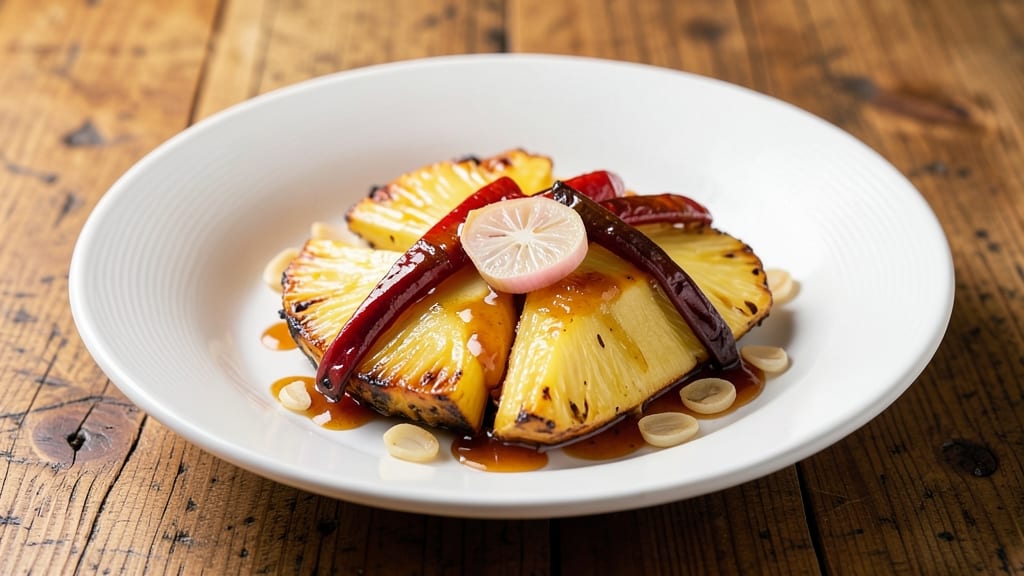
This roasted pineapple and habanero sauce recipe balances tropical sweetness with intense heat, creating a glaze that transforms grilled meats into something unforgettable. The secret lies in caramelizing the pineapple first—its natural sugars deepen the fruit's flavor while taming the habanero's sharpness into a complex, smoky-sweet sauce.
Handling fresh habanero requires caution, but the reward is a versatile condiment that works as a marinade, drizzle, or even a dessert topping.
What sets this sauce apart is the dual-roasting technique: pineapple roasts until tender and caramelized, while the habanero toasts briefly to mellow its raw spiciness.
Blending these with garlic, ginger, and a touch of honey (or agave for vegan versions) creates a smooth, velvety texture with layers of heat and sweetness. The sauce thickens as it reduces, clinging beautifully to meats or vegetables without overwhelming them.
Perfect for grilled chicken, pork, or even shrimp, this sauce adds a bold, tropical kick to any dish. Its versatility extends beyond savory applications—drizzle it over vanilla ice cream for a spicy-sweet contrast or swirl it into cocktails for a fruity, fiery twist.
The key to success? Patience when blending and storing properly to preserve its vibrant color and heat.
For safety, wear gloves when handling habanero and taste sparingly—this sauce packs a punch. Once made, it keeps in the fridge for up to 2 weeks, making it ideal for meal prep. Whether you're a grill master or a dessert innovator, this sauce delivers restaurant-quality flavor with minimal effort.
Ingredients for roasted pineapple and habanero sauce
Tropical heat meets smoky sweetness in this vibrant sauce blend.
| Ingredient | Amount | Notes |
|---|---|---|
| Fresh Pineapple 🍍 | 2 cups | Cubed, skin and core removed |
| Fresh Habanero Peppers 🌶️ | 2 whole | Seeds removed, gloves recommended |
| Garlic Cloves 🧄 | 4 cloves | Peeled and roughly chopped |
| Fresh Ginger 🌿 | 1 tbsp | Grated, organic preferred |
| Extra-Virgin Olive Oil 🫒 | ½ cup | High-quality, fruity variety |
| Raw Honey 🍯 | 2 tbsp | Or agave for vegan version |
| Lime Juice 🍋 | ¼ cup | Freshly squeezed |
| Sea Salt 🧂 | ½ tsp | Fine grain preferred |
| Black Peppercorns 🌶️ | ¼ tsp | Freshly cracked |
| Vegetable Broth 💧 | ¼ cup | Low-sodium preferred |
The habanero is the star—Wear gloves when handling and remove seeds for a balanced heat. Mexican or Caribbean markets often carry the freshest peppers, but any grocery store should stock them. Pineapple should be ripe with vibrant yellow flesh—avoid green or overly soft fruit. For ginger, organic varieties from bulk bins have more punch. The extra-virgin olive oil should be fruity and peppery, not bitter or stale—California or Italian brands excel here. Lime juice must be freshly squeezed; bottled versions lack brightness.
No habanero? Substitute 1 jalapeño with seeds removed for milder heat, but reduce to one pepper. Fresh ginger unavailable? Ground ginger at half the amount works, though texture differs. Honey can be swapped for agave or maple syrup for vegan compatibility. The vegetable broth adds depth—low-sodium versions prevent salt buildup. Olive oil can be swapped for avocado oil, but flavor will shift slightly. For extra smokiness, add 1/4 tsp smoked paprika to the blend. Always taste before blending fully—adjust sweetness or heat as needed.
Store in a sterilized glass jar with a tight seal. Keeps 2 weeks refrigerated or 6 months frozen in ice cube trays. For best color, add a thin layer of olive oil before sealing. Reheat gently on low—never boil to preserve texture. Freeze in 1-tbsp portions for easy drizzling. Sauce thickens as it cools; thin with water if needed. Always label with spicy warning for safety.
Why You'll Love This Recipe
- One-Pan Magic: I swear by this recipe—just toss pineapple chunks and habaneros on a sheet pan with olive oil, roast until caramelized, then blend with garlic and ginger. No pots, no mess, and the smoky-sweet aroma fills the kitchen before it even cooks.
- Sweet Heat Balance: That first bite? Crispy pineapple edges with a slow burn from habanero, then a cooling ginger-garlic punch. Honestly, it’s the kind of sauce that makes you reach for seconds without thinking—even if you’re not usually a spice lover.
- Weeknight to Party: Same sauce works drizzled over grilled chicken, stirred into rice, or slathered on tacos. I’ve used it for lazy dinners and even as a bold dip for chips at game night. The habanero’s heat mellows when roasted, so it’s approachable for guests who think spicy food is a dare.
- Leftovers That Last: Between us, this sauce actually improves after a day in the fridge. The flavors meld deeper, and I’ve frozen batches for months—just thaw and reheat. Plus, pineapple’s cheap in season, so you’re not breaking the bank for a flavor bomb.
Step-by-step instructions for roasted pineapple and habanero sauce
Master this bold glaze with precise roasting and balancing techniques for perfect heat and sweetness.
Prepare and Roast the Pineapple and Habaneros
Preheat your oven to 425°F and line a rimmed baking sheet with parchment paper. Arrange the 2 cups cubed fresh pineapple and 2 whole seedless habanero peppers (cut lengthwise into strips) in a single layer, leaving space between pieces. Drizzle evenly with 0.25 cup extra-virgin olive oil and sprinkle with 0.25 tsp cracked black peppercorns.
Roast for 15-18 minutes until the pineapple is caramelized with golden edges and the habaneros blister slightly. Stir halfway through for even browning. The habaneros should soften but not burn—this concentrates their heat while preserving fruity depth. Remove from oven and let cool for 5 minutes before transferring to a blender.
Blend the Roasted Base with Aromatics
Transfer the roasted pineapple and habaneros to a high-speed blender. Add the 4 peeled garlic cloves, 1 tbsp grated fresh ginger, and 0.25 cup vegetable broth. Blend until completely smooth, scraping down the sides as needed. The mixture should be vibrant orange with visible habanero flecks—this indicates proper heat infusion.
With the blender running, slowly drizzle in the 0.25 cup lime juice and 2 tbsp raw honey through the feed tube. This gradual addition prevents splattering and ensures even distribution. Taste the mixture—you should detect bright citrus, caramelized pineapple, and a lingering habanero warmth without overwhelming spice.
Simmer and Balance the Sauce
Pour the blended mixture into a small saucepan and place over medium heat. Bring to a gentle simmer, then reduce heat to low and let it cook uncovered for 10-12 minutes, stirring occasionally. This slow reduction intensifies flavors and thickens the sauce to a glossy consistency that clings beautifully to grilled meats.
Taste and adjust seasoning: Add 0.25 tsp sea salt if needed, then carefully balance the heat with an additional 1 tsp honey if the habanero's fire overpowers the sweetness. The sauce should finish with a perfect equilibrium—fruity, tangy, and fiery with a lingering finish. Strain through a fine-mesh sieve if you prefer a completely smooth texture.
Finish and Store Properly
Remove from heat and let the sauce cool to room temperature. The color should deepen to a rich amber, and the aroma should be complex—pineapple's tropical sweetness mingling with habanero's smoky heat. For immediate use, drizzle generously over grilled chicken, pork, or shrimp. For storage, transfer to an airtight container and refrigerate for up to 5 days or freeze for 3 months.
When reheating, warm gently over low heat, stirring frequently to prevent scorching. This sauce pairs exceptionally well with fatty proteins—its acidity cuts through richness while the habanero adds an unexpected depth. The key to success lies in the roasting step; never skip it—those caramelized flavors form the sauce's soul.
Pro Tips For Making Roasted Pineapple And Habanero Sauce
- CHAR THE HABANERO GRADUALLY: Start with just ½ a pepper, roasted whole in the oven (400°F for 10–12 minutes) until blackened and blistered—this mellows the heat without losing depth. If you’re new to habaneros, peel and seed it afterward, then taste the sauce before adding more. I’ve learned this the hard way: raw habanero burns through flavor like a wildfire, leaving only regret.
- PEEL THE GINGER LIKE A PRO: Use a spoon to scoop out the fibrous core before grating, then rinse the ginger under cold water to wash away the starch. This keeps your sauce silky instead of gritty. (Yes, it’s extra work, but your molars will thank you later.)
- ROAST THE PINEAPPLE CORE-FIRST: Cut the pineapple into 1-inch chunks after removing the core—this way, the flesh cooks evenly without turning to mush. If you’re impatient, slice it lengthwise into wedges and roast cut-side down for 15 minutes before flipping. Trust me, this prevents soggy, undercooked centers.
- SALTY THE GARLIC BEFORE ROASTING: Toss your peeled garlic cloves in a pinch of salt and olive oil before roasting—it caramelizes faster and adds a nutty richness. Skip this, and you’ll end up with raw, sharp garlic that fights the pineapple instead of dancing with it. (And no, garlic powder doesn’t cut it.)
Pro cooking tips for perfect results
Roasting for Depth
The roasting step is where the magic happens—don’t rush it! Spread the pineapple and habanero on your baking sheet in a single layer with space between pieces. This ensures even caramelization instead of steaming.
I use a perforated baking sheet for better airflow, which helps the pineapple develop those gorgeous golden-brown edges while keeping the habanero from burning. If your oven runs hot, reduce the temperature to 400°F to prevent scorching. 🔥
Habanero Heat Control
Handling habanero peppers requires caution—always wear gloves and avoid touching your face. For milder heat, remove all seeds and membranes before roasting. If you’re sensitive to spice, reduce to 1 habanero and add ½ tsp ground cumin to the blend—it enhances sweetness and mellows the fire.
I’ve found that toasting the habanero (instead of roasting) for 3-4 minutes first concentrates its flavor without adding moisture, which can dilute the sauce later.
Blending Like a Pro
A high-speed blender is a game-changer here—I use my Ninja BN601 for smooth, consistent results. Pulse the roasted ingredients first to break them down, then blend on high for 30-45 seconds to emulsify fully. For extra silkiness, add 1 tbsp cold water while blending.
If you notice the sauce separating, stir in ½ tsp xanthan gum to stabilize it. Always taste before adding lime juice—this is your chance to adjust the balance before committing to the full recipe.
Simmering Secrets
Low and slow is key during the simmering phase. Use a heavy-bottomed saucepan to prevent scorching, and keep the heat at medium-low. Stir frequently to prevent skin formation, and never let it boil—this breaks down the delicate flavors.
If the sauce thickens too much, add 1 tbsp water or broth to restore balance. The ideal consistency should coat the back of a spoon but still drizzle smoothly. For extra depth, finish with a pinch of smoked paprika while warm. ✨
Storage Hacks
This sauce thickens as it cools, so store it in a wide-mouth jar for easy scooping. For long-term storage, freeze in 1-tbsp portions in ice cube trays—perfect for single-use drizzles. Label everything with the date and a spicy warning (trust me, you’ll thank yourself later).
To reheat, warm in a small saucepan over low heat with 1 tsp water to prevent burning. If the sauce separates after refrigeration, whisk in 1 tsp honey to re-emulsify. The color will darken over time, but the flavor stays vibrant for 2 weeks in the fridge.
Heat Adjustments
Too spicy? Balance it with 1 tbsp honey or agave and a squeeze of lime. Not enough heat? Add ½ tsp cayenne pepper or a tiny piece of roasted habanero (seeds removed). For a smoky twist, char 1 garlic clove in a dry pan and blend it in.
I’ve even experimented with blackstrap molasses (1 tsp) for a deeper, almost caramelized heat—it’s a secret weapon for grilled ribs. Always taste as you go, and remember: heat builds over time, so start conservative and adjust gradually. 🌶️
Nutrition facts
Frequently asked questions
Can I make this sauce without roasting the pineapple?
Roasting is key for developing the sauce's deep caramelized flavor, but you can skip it if needed. Sauté the pineapple cubes in 1 tbsp olive oil over medium-high heat for 5-6 minutes until softened instead. The sauce will be less complex but still delicious. For extra depth, add ½ tsp smoked paprika to the blend to mimic the roasted flavor.
How do I handle the habanero's extreme heat?
Always wear latex or nitrile gloves when handling habanero—even the oils can burn your skin. Remove all seeds and membranes for milder heat, or reduce to 1 pepper if you're sensitive. For extra caution, toast the habanero in a dry pan for 3-4 minutes before roasting to concentrate its flavor without adding moisture. Remember: heat builds gradually, so taste small amounts as you blend.
What's the best way to store leftovers?
Transfer the sauce to a sterilized glass jar with a tight seal and refrigerate for up to 2 weeks. For longer storage, freeze in 1-tbsp portions in ice cube trays—ideal for single-use drizzles. Always add a thin layer of olive oil before sealing to preserve color. When reheating, warm gently over low heat with 1 tsp water to prevent scorching. Label with a spicy warning!
Can I make this sauce vegan?
Yes! Simply replace the raw honey with agave syrup or maple syrup (use the same amount). For extra richness, add 1 tbsp coconut cream during blending. The sauce will maintain its vibrant color and heat while being fully plant-based. All other ingredients are naturally vegan.
What are the best proteins to pair with this sauce?
This sauce shines on grilled chicken, pork chops, or shrimp—its acidity cuts through fat while the habanero adds depth. For vegetarian options, try drizzling over portobello mushrooms or tofu after grilling. The sauce also works beautifully as a dessert topping for vanilla ice cream or coconut yogurt. Always let proteins rest 5 minutes before serving to let the sauce cling properly.