
Main Courses
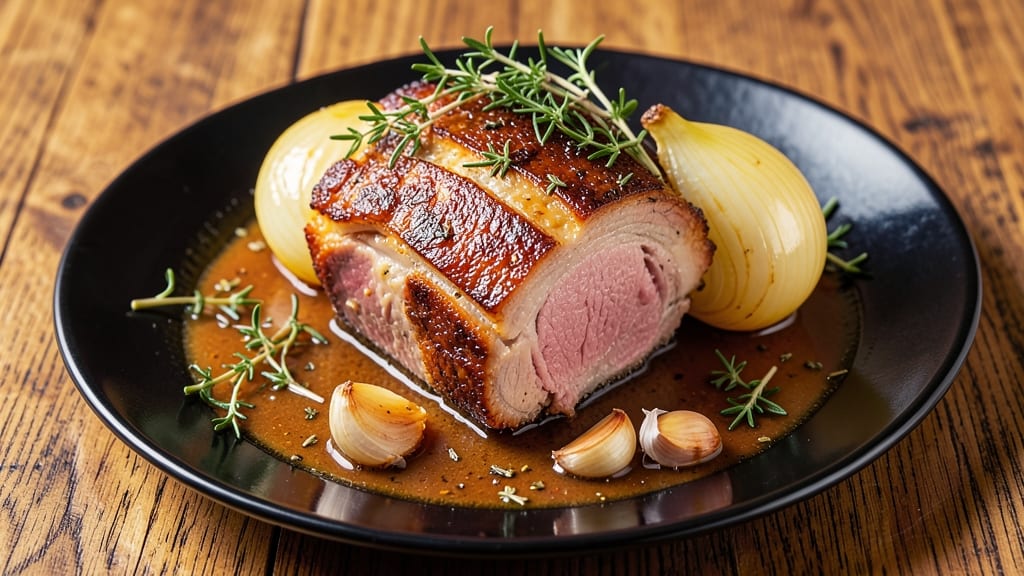
This apple cider braised pork roast transforms simple ingredients into a showstopping weeknight dinner that tastes like autumn in a cast-iron skillet. 🍂 The secret lies in slow-cooking the pork until it's fork-tender while allowing the apple cider to reduce into a rich, caramelized glaze that clings to every bite.
My grandmother used to make this dish when the air turned crisp, and I've been perfecting her method ever since. The pork roast develops a deep, savory crust while staying impossibly tender inside, all thanks to the braising process that melts fat and infuses flavor.
You'll need just a few hours of hands-off time, making it ideal for busy weeknights or special occasions.
What you'll end up with is a dish that's rich, aromatic, and perfectly balanced between sweet and savory. The pork falls apart at the touch of a fork, coated in a glossy reduction that's both complex and comforting.
Serve with crusty bread to soak up every last drop of that caramelized cider sauce.
This recipe scales beautifully for gatherings, and the leftovers reheat just as well as the first serving. Pair it with a crisp white wine or spiced apple cider for the full autumnal experience. Here's how to make it—simple steps for restaurant-quality results at home.
Ingredients for recipe for apple cider braised pork roast
Pantry staples meet autumn flavors in this comforting, hands-off pork roast.
| Ingredient | Amount | Notes |
|---|---|---|
| Pork Roast 🍖 | 2 ½ lb | Bone-in, center-cut preferred |
| Apple Cider 🍎 | 2 cups | Unsweetened, preferably spiced |
| Yellow Onion 🧅 | 1 whole | Chopped into wedges |
| Garlic Cloves 🧄 | 4 cloves | Smashed, not minced |
| Fresh Thyme 🌿 | ½ ounce | Or 2 tbsp dried thyme |
| Fresh Rosemary 🌿 | ¼ ounce | Or 1 tbsp dried rosemary |
| Kosher Salt 🧂 | 1 ½ tbsp | Diamond Crystal preferred |
| Black Peppercorns 🌶️ | 1 tsp | Freshly cracked |
| Olive Oil 🫒 | 1 tbsp | Extra-virgin for richness |
| Brown Sugar 🍚 | 2 tbsp | Light or dark |
| Balsamic Vinegar 🍷 | 1 tbsp | For depth of flavor |
| Crusty Bread 🍞 | 1 loaf | For serving (optional) |
| Fresh Parsley 🌿 | ¼ cup | Chopped for garnish |
The pork roast makes all the difference here—bone-in, center-cut stays juicier than boneless. I grab mine from Costco or the butcher counter at Whole Foods when I need a good cut. Look for good marbling—it melts into the cider during braising. Apple cider is non-negotiable; Mott's or Woodchuck are my go-tos, but any unsweetened variety works. Fresh herbs? Trader Joe's sells pre-bundled thyme and rosemary that's perfect for this. If you're using dried, measure carefully—it's potent stuff.
No fresh thyme? Dried works at half the amount. Short on balsamic? Red wine vinegar does the trick, though it's less complex. The brown sugar adds caramel depth—light brown sugar dissolves more smoothly, but dark gives richer color. Want extra richness? Add 1 tbsp butter at the end. The bread? Any crusty loaf works—sourdough or baguette are ideal. If you're feeling fancy, toast it and rub with garlic before serving. No need to stress over exact measurements here—eyeball the herbs and spices, but measure the salt precisely.
This dish tastes even better the next day—reheats beautifully in the oven at 350°F for 15 minutes. Store leftovers in the fridge for 4-5 days or freeze for 3 months. I always make extra because it disappears fast. The cider sauce keeps for 1 week in the fridge—great for quick weeknight dinners. If you're prepping ahead, brown the pork first and refrigerate it overnight before braising for deeper flavor.
Why You'll Love This Recipe
- One-Pot Magic: I swear by this recipe when I’m too tired to scrub pots—just brown the pork, toss in the onions and garlic, pour the cider over everything, and walk away. The thyme releases its aroma while it braises, so by the time it’s done, your whole house smells like autumn.
- Sweet-Savory Symphony: That apple cider isn’t just for drinking—it transforms the pork into something tender with a caramelized edge. The onions melt into the cider, creating a sauce so rich it’ll make you forget about takeout (and that’s saying something).
- Budget Meal, Restaurant Vibes: Honestly, this is my go-to when I want something fancy without breaking the bank. A single pork roast stretches for multiple meals, and the cider adds depth without fancy ingredients. My in-laws think I slaved over it—our secret’s safe.
Step-by-step instructions for apple cider braised pork roast
Here's how to transform tough pork into melt-in-your-mouth perfection with caramelized sweetness.
🔥 Step 1: Sear the Pork Roast for Maximum Flavor
Pat the 2.5 lb pork roast completely dry with paper towels - this is non-negotiable for crispy skin. Heat 1 tablespoon olive oil in a large Dutch oven over medium-high heat until shimmering. Place the pork roast in the pan and sear on all sides for 4-5 minutes per side until deep golden brown.
Here's the thing - don't rush this step. You want that beautiful crust that'll hold up through the long braise. If it's not releasing easily from the pan, it's not ready to flip. Once seared, remove the pork and set it aside on a plate.
👨🍳 Step 2: Build the Aromatic Base
In the same Dutch oven, add the 1 whole yellow onion (wedges), 4 smashed garlic cloves, 0.5 ounce fresh thyme, and 0.25 ounce fresh rosemary. Cook for 5-6 minutes until the onions soften and become golden brown - this is where all the flavor develops.
Stir occasionally but don't walk away. The garlic should smell amazing but not burn. When the onions are caramelized, sprinkle in the 1.5 tablespoons kosher salt and 1 teaspoon cracked black peppercorns, stirring to coat everything evenly. This is your flavor foundation.
🥘 Step 3: Deglaze and Braise with Apple Cider
Pour in the 2 cups apple cider and scrape up all those browned bits from the bottom of the pan - this is called deglazing and it's flavor gold. Add the 2 tablespoons brown sugar and 1 tablespoon balsamic vinegar, stirring until the sugar dissolves completely.
Return the seared pork roast to the Dutch oven, along with any accumulated juices. Bring everything to a gentle simmer over medium heat, then reduce heat to low. Cover tightly with a lid and transfer to a 325°F oven. Here's the crucial part: cook for 3-3.5 hours until the pork is fork-tender and the sauce has reduced to a glossy consistency.
⏰ Step 4: Rest and Garnish for Perfect Texture
When the pork reaches 203°F internally (use a meat thermometer), remove it from the oven and let it rest for 15-20 minutes. This resting period is what transforms tough meat into juicy perfection. Tent loosely with foil to keep it warm.
While it rests, skim any excess fat from the braising liquid. Return the pork to the Dutch oven and spoon the reduced sauce over the top. Garnish with 0.25 cup chopped fresh parsley just before serving. The sauce should coat the back of a spoon and have a beautiful caramelized sheen.
Pro Tips For Making Recipe For Apple Cider Braised Pork Roast
- SEAR THE PORK FIRST: High heat for 3-4 minutes until deep brown—this isn’t optional. I used to skip it, thinking the cider would handle everything, but that crust locks in flavor and keeps the meat from drying out later. A dry pan with a splash of cider at the end of searing adds extra caramelization.
- USE THICK-SKINNED CIDER: Skip the light, sweet stuff—opt for cloudy, unfiltered apple cider with a little body. The tannins and natural sugars caramelize better, giving that rich, almost wine-like depth. If you’re stuck with clear cider, simmer it uncovered for 5 minutes first to concentrate the flavor.
- CHOP ONIONS UNIFORM: Medium dice, not small—think ½-inch chunks. Too fine, and they’ll turn to mush; too big, and they’ll sit like rocks. I learned this after one batch where I rushed the prep and ended up with a soup instead of a braise. A sharp knife and steady cuts make all the difference.
- SKIP THE LID FOR 20 MINUTES: Let the cider reduce by half uncovered before covering the pot. This builds a deeper flavor base and prevents the pork from steaming instead of braising. I was skeptical—who wants to babysit the pot?—but the result is a glossy, concentrated sauce that clings to the meat.
Storing and reheating this dish
Refrigerator Storage
Let your braised pork roast cool completely before transferring to an airtight container—I use glass Pyrex with a tight-sealing lid. Store it in the fridge at 40°F or below for up to 4 days.
The flavors actually deepen overnight as the pork absorbs the caramelized cider sauce. I always make extra because it disappears fast at my house! 🍂
Freezer Prep
For longer storage, portion the pork into freezer-safe containers or heavy-duty freezer bags, leaving 1 inch headspace for expansion. Seal tightly to prevent freezer burn, and store for up to 3 months.
Thaw overnight in the fridge before reheating—never at room temperature. I like to freeze individual portions for quick weeknight meals.
Oven Reheating
This is my preferred method because it keeps everything juicy. Preheat your oven to 350°F, transfer the pork (with some sauce) to an oven-safe dish, and cover loosely with foil. Heat for 15-20 minutes until reaching 165°F internally.
The residual heat gently warms the sauce without drying it out. Add a splash of water or apple cider if it looks too thick. 🔥
Stovetop Refresh
For faster reheating, use a skillet over medium-low heat. Add 2-3 tablespoons of the reserved braising liquid to prevent sticking, then warm through for 5-7 minutes. Stir occasionally to distribute the sauce evenly.
If the pork seems dry, add a little more cider or water. This method works great for leftovers or when you're short on time.
Sauce Revival
The caramelized cider sauce reheats beautifully on its own. Simmer it in a small saucepan over medium heat for 3-5 minutes, stirring occasionally. If it thickens too much, add 1-2 tablespoons of water or apple cider to restore its glossy consistency.
I often use reheated sauce for quick dinners with toasted bread or mashed potatoes. 💫
Microwave Shortcut
When you're in a hurry, cover a single serving with a damp paper towel and microwave on 50% power for 1-2 minutes. Stir halfway through, then continue in 30-second intervals until heated through.
The sauce may separate slightly, so give it a quick stir before serving. This method works best for individual portions rather than the whole roast.
Nutrition facts
Frequently asked questions
Can I use bone-in or boneless pork for this recipe?
Bone-in pork works best—it stays juicier during the long braise. If using boneless, look for a thick cut like a pork loin roast (about 2.5 pounds). The bone helps retain moisture, but boneless will still turn out tender if you don't overcook it. Just monitor the internal temperature closely.
What if I don't have apple cider? Can I substitute?
Use unsweetened apple juice or even white grape juice in a pinch. For extra depth, add 1 teaspoon apple cider vinegar to mimic the tang. Avoid sweetened juices—they'll make the sauce cloying. The key is the acidity and fruitiness, not the spice.
How do I know when the pork is fully cooked?
Use a meat thermometer—pork is safe at 203°F for roasts. The internal temperature is more reliable than visual cues. If you don't have a thermometer, cut into the thickest part: it should be fork-tender with no pink center. Overcooking dries it out, so aim for 3-3.5 hours total.
Can I make this in a slow cooker instead of the oven?
Yes! Sear the pork first, then transfer everything to a 6-quart slow cooker on low for 6-8 hours. The sauce will be thinner, so reduce it on the stovetop afterward. For extra richness, add 1 tablespoon butter at the end. Just check the internal temp to confirm doneness.
What's the best way to serve this dish?
Pair it with crusty bread to soak up the sauce, or serve over mashed potatoes for a hearty meal. A simple green salad with a tangy vinaigrette balances the richness. For drinks, try sparkling apple cider or a crisp Chardonnay. The leftovers reheat beautifully—perfect for lunch the next day!