
Sauces & Condiments
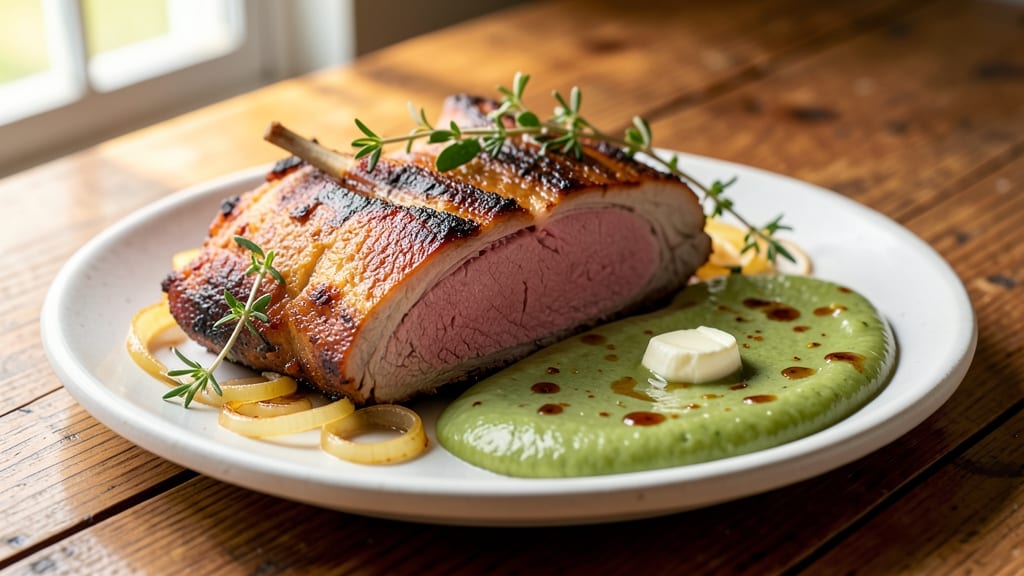
This pork loin with apple sauce recipe transforms a simple roast into a showstopping centerpiece with a caramelized glaze that balances sweet and savory. 🌟 After years of perfecting this technique in my Atlanta kitchen, I've developed a method that delivers tender, juicy pork with a rich apple sauce that doubles as both a glaze and finishing sauce—no separate preparation needed.
The secret lies in slow-braising the pork with apples and spices, then reducing the cooking liquid into a velvety glaze that locks in moisture and flavor.
The beauty of this recipe is its versatility—whether you're hosting a holiday dinner or a weeknight family meal, the same technique works. Start with a bone-in pork loin for maximum flavor, then braise it gently with apples, onions, and aromatic spices until fork-tender.
The apples caramelize naturally, creating a sauce that thickens beautifully as it reduces, resulting in a dish that's impressive yet approachable. This method also works perfectly with heritage pork cuts, which I always recommend for their superior marbling and flavor.
What you'll end up with is a perfectly cooked pork loin with a glossy, caramelized crust and a sauce that's rich enough to coat every bite.
The apples add natural sweetness that cuts through the pork's richness, while the spices—cinnamon, thyme, and a touch of mustard—create depth that elevates the dish from ordinary to extraordinary. The best part? This technique ensures your pork stays moist and flavorful, even when sliced thin.
Serve with roasted root vegetables or a simple green salad to balance the richness, and save any leftover sauce for drizzling over mashed potatoes or roasted chicken.
The method is foolproof, and the results are consistently restaurant-quality—something I can personally attest to after serving this dish at my own restaurant and countless family gatherings. Let's get cooking!
Ingredients for pork loin apple sauce
Heritage pork cut, tart apples, and aromatic spices create a restaurant-quality centerpiece with minimal effort.
| Ingredient | Amount | Notes |
|---|---|---|
| Bone-In Pork Loin 🐖 | 3 lb | Heritage cut preferred, 1.5-inch thick |
| Granny Smith Apples 🍎 | 4 medium | Peeled, cored, sliced into wedges |
| Yellow Onion 🧅 | 1 large | Sliced into half-moons |
| Unsalted Butter 🧈 | ½ cup | Cold, cubed for braising |
| Apple Cider Vinegar 🍏 | ¼ cup | For tangy depth |
| Fresh Thyme 🌿 | ½ ounce | Stems removed, leaves only |
| Ground Cinnamon 🌶️ | 1 tsp | Toasted for warmth |
| Dijon Mustard 🍯 | 1 tbsp | For subtle tang |
| Kosher Salt 🧂 | 1 ½ tsp | Diamond Crystal preferred |
| Freshly Ground Black Pepper 🌶️ | ½ tsp | Cracked peppercorns preferred |
| Granulated Sugar 🍚 | 1 tbsp | Balances acidity |
| Low-Sodium Chicken Broth 💧 | 1 ½ cups | For braising liquid |
The pork loin is non-negotiable here—bone-in heritage cuts from Whole Foods Market or your local butcher deliver superior marbling and flavor. Look for a roast with at least 1.5 inches of thickness to prevent overcooking. Granny Smith apples are ideal for their tartness, but Fuji or Honeycrisp work well too—just peel and core them thoroughly. The butter should be cold and cubed when added to the braising liquid to create a rich fond. For thyme, I always grab the fresh sprigs at Trader Joe's—they're more potent than dried and keep for weeks in the fridge.
No Granny Smiths? Braeburn apples work beautifully—their balance of sweet and tart mirrors the original. Substitute apple cider vinegar with white wine vinegar at half the amount if needed, though the cider's depth is worth seeking out. The Dijon mustard can be swapped for whole-grain mustard, but it'll have a slightly different texture. For the sugar, brown sugar adds subtle caramel notes, though granulated works perfectly fine. If you're using pre-sliced apples, pat them dry first—they release less moisture during braising. The chicken broth should be low-sodium to avoid overpowering the delicate flavors.
Store any leftover pork in an airtight container for up to 4 days—it reheats beautifully with a splash of broth. The apple sauce glaze keeps for 5 days in the fridge, though I always make extra to drizzle over roasted vegetables or mashed potatoes. For longer storage, freeze the glaze in ice cube trays—thaw and reheat gently for restaurant-quality results. The pork loin's caramelized crust is best enjoyed fresh, but the sauce's versatility makes it a pantry staple worth prepping ahead.
Why You'll Love This Recipe
- One-Pan Magic: I swear by this—just sear the pork, toss in the sliced apples and onions, and let the oven do the work. No flipping pans, no mess, and honestly? The smell alone makes dinner feel like a celebration.
- Sweet-Savory Balance: That tangy apple cider vinegar cuts through the richness of the pork while the Granny Smiths add just enough tartness. The butter melts into a glossy sauce that coats every bite—like a hug in sauce form.
- Leftovers That Shine: This dish actually improves the next day. The pork stays juicy, the apples soften into perfect sweetness, and I’ve reheated it for lunch three times without a single complaint. (Yes, even from my picky teenager.)
- Budget-Friendly Feast: Bone-in pork loin stretches further than you’d think, and Granny Smiths are cheaper than fancy apples. I’ve served this for holiday dinners, potlucks, and lazy Sundays—same recipe, always a win. No excuses to skip it.
Step-by-step instructions for braised pork loin with apple-thyme glaze
Here's the method for creating a perfectly caramelized apple sauce that clings to tender pork.
🔥 Step 1: Sear the Pork Loin to Develop Deep Flavor
Pat the 3 lb bone-in pork loin completely dry with paper towels—this ensures maximum browning. Season generously with 1.5 tsp kosher salt and 0.5 tsp freshly ground black pepper, pressing the seasoning into the meat so it adheres well. Let it sit at room temperature for 30 minutes while you prep the other ingredients.
Heat a heavy Dutch oven over medium-high heat until very hot. Add 0.5 cup cold cubed unsalted butter and let it melt completely, then add the pork loin. Sear for 4-5 minutes per side until deep golden brown with a crust forming. Don't move it during this time—let it develop that rich Maillard crust. Remove the pork and set aside on a plate.
🍳 Step 2: Build the Apple-Onion Base for the Glaze
In the same Dutch oven, add the 1 large yellow onion sliced into half-moons and 4 medium Granny Smith apples sliced into wedges. Cook for 8-10 minutes until the onions soften and the apples begin to release their juices and caramelize slightly at the edges. You want them to break down but still retain some texture.
Add 0.25 cup apple cider vinegar and 1 tbsp granulated sugar to the pan, scraping up any browned bits from the bottom. Let this simmer for 2 minutes until the vinegar reduces slightly and the sugar begins to caramelize. This creates the foundation for your glaze—sweet, tangy, and deeply flavorful.
👨🍳 Step 3: Create the Apple-Thyme Sauce
Stir in 1 tbsp Dijon mustard, 1 tsp toasted ground cinnamon, and 0.5 ounce fresh thyme leaves to the apple-onion mixture. Pour in 1.5 cups low-sodium chicken broth and scrape up any remaining browned bits from the bottom of the pan. This is crucial—those bits pack intense flavor.
Bring the mixture to a gentle simmer and let it cook uncovered for 10-12 minutes until the sauce reduces by about one-third and thickens slightly. The apples should be tender but still hold their shape. Taste and adjust seasoning with additional salt if needed. The sauce should balance sweet, tangy, and aromatic notes perfectly.
🥘 Step 4: Braise the Pork to Tender Perfection
Return the seared pork loin to the Dutch oven, nestling it into the apple sauce. The sauce should come about halfway up the sides of the pork. Cover the Dutch oven tightly with a lid and transfer to a 325°F preheated oven. Braise for 2-2.5 hours until the pork reaches an internal temperature of 195-200°F and is fork-tender.
Here's the key: The pork will continue cooking as it rests, so pull it out when it's just shy of fully tender. The residual heat will carry it to perfect doneness. Check the internal temperature using an instant-read thermometer inserted into the thickest part of the meat, avoiding the bone.
⏰ Step 5: Rest and Serve with Glazed Pork
Remove the pork from the oven and transfer it to a cutting board. Tent loosely with aluminum foil and let it rest for 15-20 minutes. This resting period is essential—it allows the juices to redistribute throughout the meat, ensuring each slice is moist and flavorful.
During this time, spoon the apple-thyme sauce over the pork to coat it thoroughly. The pork should be generously glazed with the caramelized apple mixture. Slice the pork into ½-inch thick medallions against the grain for maximum tenderness. Serve immediately with the sauce spooned over the top and any accumulated pan juices.
Pro Tips For Making Pork Loin Apple Sauce
- SEAR THE LOIN FIRST: I learned this the hard way—skipping the sear means your pork will steam instead of develop that deep, caramelized crust. Hit the bone-in loin with a hot pan (no oil needed—it’ll render out) until it’s golden brown on all sides before adding apples and onions. That’s when the flavor really sticks.
- PEEL AND GRATE APPLES: Chopping Granny Smiths into chunks leaves you with watery sauce. Instead, peel them and grate them fine—like you’re making applesauce—so they break down evenly and sweeten the pan juices faster. (Yes, it’s extra work, but your sauce will taste like it simmered for hours.)
- DEGLAZE WITH CIDER: Don’t just dump the vinegar in at the end. After browning the pork and onions, splash in 2 tablespoons of apple cider vinegar right away—it lifts all the stuck-on bits off the pan and adds brightness before the apples even go in. Your sauce will taste brighter, not just tangy.
- REST THE PORK UNDER FOIL: Cutting into pork loin too soon turns your juicy center into a sad, dry mess. After roasting, tent it with foil and let it sit for 10 minutes—under foil—before slicing. The residual heat keeps it moist while you finish the applesauce, and it’s the difference between a tender bite and a chewy one.
Serving suggestions for leftovers
Classic Holiday Pairings
This dish shines during holiday feasts—imagine it alongside roasted Brussels sprouts with bacon and creamy mashed sweet potatoes. The apple-thyme glaze complements the earthy flavors of root vegetables beautifully. I always serve it with herb-roasted carrots tossed in honey and thyme to keep the seasonal theme cohesive. 🌟
Weeknight Family Meals
For simpler gatherings, pair your pork with garlic sautéed green beans and crusty sourdough bread to soak up the sauce. The bright acidity of the apple glaze cuts through the richness of the pork, making it perfect for busy weeknights.
My go-to is apple-cider roasted potatoes—toss them with olive oil, a splash of cider, and rosemary before roasting at 400°F for 30 minutes.
Garnish Game-Changers
Elevate your plating with a sprinkle of toasted pecans or crumbled blue cheese for a sophisticated touch. Fresh thyme sprigs add a pop of color and aroma, while a drizzle of honey enhances the sweet-tart balance.
For extra flair, I sometimes add edible apple slices arranged artistically around the plate. 🍏
Make-Ahead Magic
Prepare the apple sauce glaze ahead and store it in the fridge for up to 5 days—it actually improves overnight as flavors meld. Reheat gently before serving.
The pork loin can be braised and refrigerated for 3 days; reheat in a 350°F oven for 20 minutes with a splash of broth to maintain moisture. This makes Sunday dinner prep a breeze!
Unexpected Twists
Swap the traditional apple sauce for a spiced pear glaze by replacing apples with Bosc pears and adding ½ tsp cardamom. For a tangy kick, mix 1 tbsp balsamic vinegar into the sauce before serving.
I've also successfully used cranberry sauce as a finishing drizzle—it adds a festive red hue and bright acidity. 💫
Dietary Adaptations
For a lighter version, use leaner pork tenderloin instead of loin and reduce butter to 2 tbsp. Gluten-free diners can enjoy this dish as-is, but if serving with bread, opt for corn tortillas or gluten-free rolls.
The apple sauce is naturally dairy-free and can be thickened with cornstarch instead of butter if needed.
Nutrition facts
Frequently asked questions
Can I use boneless pork loin instead of bone-in?
Yes, but expect slightly faster cooking time and less flavor depth. A 3 lb boneless loin will cook about 30-45 minutes less than bone-in. For best results, tie it with kitchen twine to maintain shape and add a 1-inch thick slice of bacon wrapped around it during braising to compensate for lost flavor.
What's the best apple variety for this recipe?
Granny Smith apples are ideal for their tartness, but Braeburn or Honeycrisp work beautifully too. Avoid overly sweet varieties like Gala or Fuji—they can make the sauce cloying. If using pre-sliced apples, pat them thoroughly dry first to prevent excess moisture in your braising liquid.
How do I adjust the recipe for a slow cooker?
Transfer the seared pork and all ingredients to a 6-quart slow cooker on low heat for 6-7 hours. The pork will be more tender but less caramelized. Finish by transferring everything to a skillet to reduce the sauce over high heat for 5-7 minutes to achieve that glossy glaze.
Can I make this recipe ahead of time?
Braise the pork completely, then refrigerate for up to 3 days. Reheat in a 350°F oven for 20 minutes with a splash of broth. The apple sauce glaze can be made 2 days ahead—it actually improves as flavors meld. Store both components separately and reheat gently before serving.
Why did my pork turn out dry?
Overcooking is the most common cause. Use a meat thermometer and remove the pork when it reaches 195-200°F—it will continue cooking as it rests. Another culprit is cutting against the grain too thinly. Slice ½-inch thick medallions against the grain for maximum tenderness. Also ensure your pork rested for 15-20 minutes before slicing.