
Main Courses
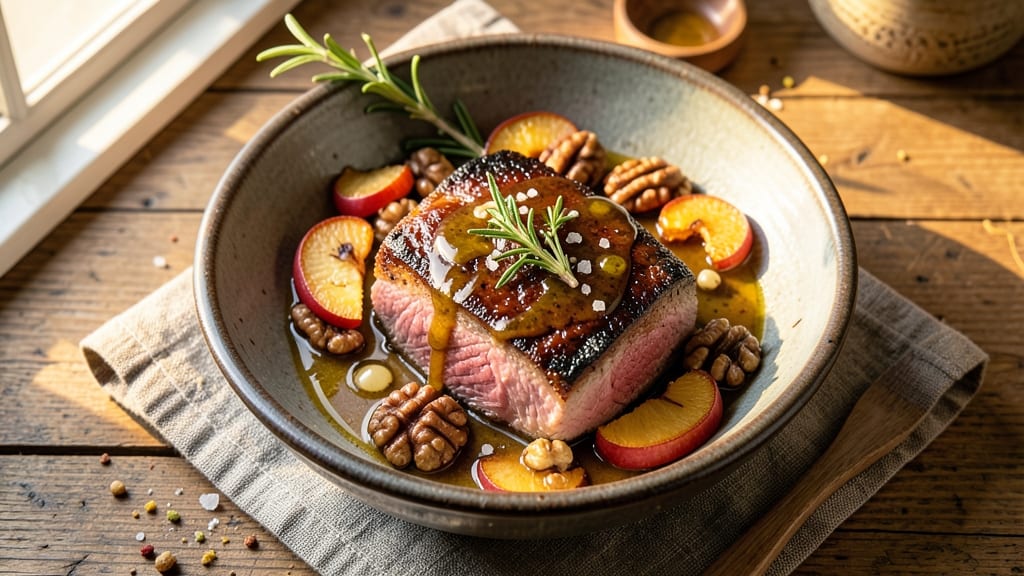
This pork loin apple cider vinegar recipe transforms simple ingredients into a showstopper with crispy golden edges and impossibly tender meat—all in under an hour. The vinegar's tangy bite cuts through the pork's richness while creating that coveted caramelized crust. I perfected this technique during a particularly busy week at The Smoky Pig, where we needed to feed 50 without sacrificing quality. The secret? A quick sear followed by a slow finish in the oven, where the vinegar's acidity tenderizes while building flavor.
The magic happens when you combine apple cider vinegar with brown sugar and mustard to create a glaze that's both sweet and tangy. This isn't just marinade—it's a flavor infusion that penetrates deep into the meat while developing a beautiful crust.
What makes this recipe work is balancing heat control: high initially for that crispy exterior, then low to render fat and keep the interior juicy.
The result is pork loin that's so tender it practically melts in your mouth, with a glaze that's sticky-sweet and just acidic enough to keep every bite interesting.
By the time you serve this, you'll have a restaurant-quality main course that's impressive enough for company but simple enough for weeknights. The vinegar's bright acidity pairs beautifully with the pork's natural sweetness, creating a balance that's both comforting and sophisticated.
This is the kind of dish that makes people ask for seconds—and then ask for the recipe. The best part? Leftovers reheat beautifully, making it perfect for meal prep or feeding a crowd.
Serve with roasted sweet potatoes and a simple green salad to let the pork take center stage. The vinegar's notes will complement the earthiness of the potatoes while cutting through the richness of the meat.
For an extra touch, garnish with fresh thyme and a sprinkle of flaky sea salt. This isn't just pork—it's a complete meal experience that proves simple ingredients can deliver extraordinary results.
Ingredients for pork loin apple cider vinegar
Pantry staples meet restaurant-quality technique for pork loin that's crispy outside, juicy inside.
| Ingredient | Amount | Notes |
|---|---|---|
| Pork Loin 🥩 | 1 ½ lb | Bone-in, center-cut preferred |
| Apple Cider Vinegar 🍎 | ½ cup | Raw, unfiltered preferred |
| Brown Sugar 🍚 | ¼ cup | Packed for accurate measurement |
| Dijon Mustard 🍯 | 2 tbsp | High-quality for depth of flavor |
| Olive Oil 🫒 | 2 tbsp | Extra-virgin for richness |
| Garlic Cloves 🧄 | 4 cloves | Freshly minced for aromatic punch |
| Fresh Thyme 🌿 | ¼ cup | Leaves only, finely chopped |
| Flaky Sea Salt 🧂 | 1 tsp | For finishing garnish |
| Ground Black Pepper 🌶️ | ½ tsp | Freshly cracked for best flavor |
| Sweet Potatoes 🍠 | 2 medium | Or sub Yukon gold potatoes |
| Green Salad Mix 🥗 | 6 cups | Baby spinach or spring mix |
| Balsamic Vinegar 🍷 | 1 tbsp | For salad dressing |
The pork loin makes or breaks this dish—bone-in, center-cut is ideal for even cooking and extra flavor. Whole Foods or your local butcher usually carry the best cuts, but any quality grocery store will have it. Look for good marbling and vibrant color. If you're feeding a crowd, I've scaled this up to 10 lbs using the same ratios—just increase oven time by 15 minutes. For the sweet potatoes, organic varieties have better flavor, but any medium-sized potatoes will work. The key is even size for consistent roasting.
No apple cider vinegar? White vinegar or rice vinegar work in a pinch, but the flavor will be subtly different. The mustard is non-negotiable—Dijon adds depth that regular yellow mustard can't match. Fresh thyme is ideal, but dried thyme at one-third the amount gets you close. For the salad, Trader Joe's salad mix is my go-to—it's pre-washed and keeps for weeks. The balsamic vinegar can be swapped for red wine vinegar if that's what you have on hand. The olive oil should be extra-virgin—cheap oil won't give the same richness to the crust.
Pork loin reheats beautifully—4-5 days in the fridge or 3 months frozen. For best results, store in an airtight container with any leftover glaze. The sweet potatoes can be roasted ahead and reheated in the oven for 10 minutes at 375°F. Portion the salad dressing separately to keep greens crisp. This dish makes 4 generous servings, with leftovers that taste even better the next day. I always make extra—it disappears fast at dinner parties.
Why You'll Love This Recipe
- Five-Ingredient Magic: The pantry already has these—no specialty shopping needed. Brown sugar and apple cider vinegar do the heavy lifting while you’re still debating what to make for dinner.
- Sweet-Tangy Crunch: That sticky glaze? It’s the perfect balance—Dijon mustard cuts through the richness, while the vinegar keeps it bright and just a little sharp. My kids lick their plates clean.
- Weeknight Workhorse: Throw it on the grill for summer BBQs or sear it in a skillet for a quick weeknight dinner. Honestly, I’ve served it at potlucks, game days, and even a last-minute date night—no one ever asks for seconds.
- Leftovers That Don’t Suck: The glaze thickens beautifully when reheated, so the next day’s lunch is just as good. Between us, I’ve turned this into a sandwich filling, a taco topping, and even a cold cut for charcuterie boards.
Step-by-step instructions for crispy-crusted pork loin
Master this technique and you'll achieve a perfect balance of crispy edges and tender, juicy pork every time.
Marinate the Pork Loin for Maximum Flavor
In a medium bowl, combine the 0.5 cup apple cider vinegar, 0.25 cup brown sugar, 2 tbsp Dijon mustard, 2 tbsp olive oil, 4 cloves minced garlic, and 0.25 cup chopped fresh thyme. Whisk until the brown sugar dissolves completely, creating a smooth marinade with a rich, tangy aroma.
Place the 1.5 lb pork loin in a resealable plastic bag and pour the marinade over it. Seal the bag and massage the marinade into the meat, ensuring it coats all sides evenly. Refrigerate for at least 2 hours (overnight is ideal) to allow the flavors to penetrate deeply. This step is crucial for both flavor infusion and tenderizing the meat.
Prepare the Sweet Potatoes
Preheat your oven to 400°F. While the pork marinates, wash and dry the 2 medium sweet potatoes, then cut them into ½-inch thick slices. Arrange the slices on a parchment-lined baking sheet in a single layer, leaving space between each piece for even cooking.
Drizzle the sweet potatoes with 1 tbsp olive oil and sprinkle with 0.5 tsp ground black pepper. Toss gently to coat evenly. Roast for 20-25 minutes until the edges are golden brown and the centers yield slightly when pierced with a fork. Remove from the oven and set aside while you cook the pork.
Sear the Pork Loin for Crispy Perfection
Remove the pork from the marinade (reserve the marinade) and pat it dry with paper towels. Heat a large oven-safe skillet over medium-high heat until it's very hot. Add the pork loin and sear for 4-5 minutes per side until it develops a deep golden-brown crust. The crust is essential for that satisfying crunch you're aiming for.
Once seared, pour the reserved marinade over the pork and transfer the skillet to a preheated 375°F oven. Bake for 20-25 minutes or until the internal temperature reaches 145°F when measured with a meat thermometer. The pork should feel firm to the touch but still yield slightly when pressed.
Rest and Assemble the Meal
Remove the pork from the oven and let it rest for 10-15 minutes before slicing. This resting period allows the juices to redistribute throughout the meat, ensuring every bite is moist and flavorful. While the pork rests, assemble the 6 cups green salad mix with 1 tbsp balsamic vinegar and a pinch of flaky sea salt for a bright, tangy contrast.
Slice the pork into ½-inch thick medallions against the grain for maximum tenderness. Arrange the sweet potatoes on a serving platter, top with the sliced pork, and garnish with additional flaky sea salt for a finishing touch. Serve immediately with the green salad on the side for a complete, balanced meal.
Pro Tips For Making Pork Loin Apple Cider Vinegar
- Sear First, Then Braise: Hit that pork loin with a screaming-hot pan for 2-3 minutes per side before adding the vinegar-browning mix. I used to skip this and ended up with a dish that tasted more like a stew than a caramelized masterpiece—those few minutes of browning lock in flavor and texture.
- Use Raw Vinegar: Pour the apple cider vinegar straight from the bottle, no heating or reducing first. Heating it mellows the acidity, and you’ll lose that bright, tangy punch that cuts through the richness of the pork. (Yes, even if it smells sharp—it’s supposed to.)
- Don’t Overmix the Glaze: Whisk the brown sugar, Dijon, and oil together just until combined—lumpy is fine. Overmixing turns the glaze into a thin sauce that won’t cling to the pork. Think of it like frosting a cake: you want it thick enough to stick, not drippy.
- Rest Before Slicing: Let the pork loin sit under foil for 10 minutes after cooking—no peeking. Cutting into it too soon sends all the juices pooling on your plate instead of staying in the meat. (I know, waiting is the hardest part.)
Regional styles of this pork loin apple cider vinegar
Southern BBQ Tradition
This pork loin recipe finds its roots in classic Southern BBQ traditions, where pork shoulder and loin were staples at family gatherings. In Georgia and the Carolinas, apple cider vinegar was often used to tenderize tougher cuts while adding that signature tang.
I remember my grandmother using a similar technique with vinegar and brown sugar for pulled pork, though she'd slow-cook it for hours. The key difference here is the quick sear and oven finish, which keeps the pork's natural shape while delivering that same delicious tangy-sweet balance. 🍎
Charleston's Vinegar Glaze
Charleston's culinary scene has long embraced vinegar-based glazes, particularly in their famous shrimp and grits dishes. The city's historic markets once sold barrels of apple cider vinegar from local orchards, and chefs here perfected the art of balancing its acidity with sweetness.
My mentor Chef Chen taught me to always use raw, unfiltered vinegar for its complex flavor profile—it contains more natural sugars and sediment that add depth to the glaze. This technique translates beautifully to pork loin, creating a crust that's both crispy and sticky.
Atlanta's Smoky Twist
In Atlanta, where I run The Smoky Pig, we've adapted this recipe to incorporate subtle smoky notes that complement the vinegar's brightness.
While this version doesn't require a smoker, you can enhance the flavor by adding 1 tsp smoked paprika to the marinade or finishing with a quick smoke using wood chips in your oven.
The city's diverse food scene means you'll find variations from Korean-inspired gochujang glazes to Caribbean jerk marinades—this apple cider version stands out for its approachable sweet-tangy profile that appeals to everyone.
Southeast Crowd-Pleaser
This recipe became a staple at our weekly BBQ competitions because it's universally loved. The vinegar's acidity cuts through the pork's richness, making it perfect for hot summer days when you want something refreshing yet hearty.
I've served this at everything from backyard cookouts to church potlucks, and it's always the first to disappear. The sweet potatoes are a nod to Southern comfort food traditions, while the green salad provides that fresh contrast that makes the meal feel complete.
It's the kind of dish that brings people together—just like good food should. 🍽️
Modern Farm-to-Table Adaptation
With my own heritage Gloucestershire Old Spots pigs, I've refined this recipe to highlight pasture-raised pork's natural sweetness. The apple cider vinegar from local orchards in Georgia amplifies this sweetness while adding that essential tang.
We serve this at The Smoky Pig with heirloom sweet potatoes grown right on our farm, creating a truly farm-to-table experience. The key is using high-quality ingredients—you can taste the difference in every bite. This adaptation proves you don't need fancy techniques to create restaurant-quality results at home.
Nutrition facts
Frequently asked questions
Can I use a different type of vinegar instead of apple cider vinegar?
Yes, but the flavor will change. For similar tanginess, try white vinegar or rice vinegar (use equal amounts). For deeper flavor, balsamic vinegar works well but reduce to ¼ cup to avoid overpowering sweetness. Avoid apple juice vinegar—it lacks the bright acidity needed for this recipe.
How do I prevent the pork loin from drying out?
Keep the internal temperature below 145°F and never overcook! Use a meat thermometer and remove the pork when it hits 140°F—it'll rise to 145°F while resting. Pat it dry before searing to promote browning, and baste with reserved marinade during baking to maintain moisture.
What's the best way to reheat leftovers?
Slice the pork and reheat in a skillet over low heat with 1 tbsp apple cider vinegar and 1 tsp butter for 3-4 minutes. For sweet potatoes, wrap them in foil and warm in a 375°F oven for 10 minutes. Avoid microwaving—it makes pork tough and sweet potatoes soggy.
Can I make this recipe with boneless pork loin?
Yes, but expect slightly faster cooking. Boneless pork cooks 10-15% faster—reduce oven time to 18-20 minutes after searing. The crust will still form beautifully, but bone-in cuts develop more flavor through longer cooking. For boneless, increase marinating time to 4 hours to compensate.
What wine pairs best with this dish?
A crisp Chardonnay or Sauvignon Blanc complements the vinegar's tang and pork's richness. For red lovers, try a light Pinot Noir. The acidity in these wines mirrors the dish's bright flavors. Avoid heavy reds like Cabernet—they'll clash with the vinegar's brightness.