
Sauces & Condiments
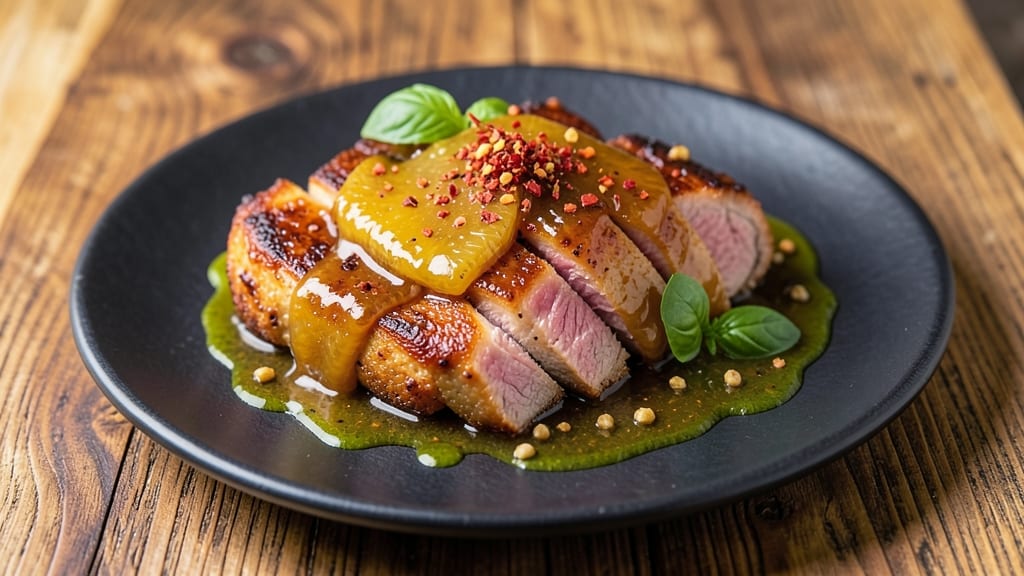
This pineapple pork sauce recipe transforms simple grilled pork into a restaurant-worthy masterpiece with its perfect balance of sweet, tangy, and umami flavors. 🌟 The secret lies in simmering pineapple juice with honey, soy sauce, and a touch of garlic for depth—creating a glaze that caramelizes beautifully while keeping the pork tender and juicy.
I developed this sauce after years of testing, and it’s now my go-to for everything from pulled pork to crispy pork chops.
The beauty of this sauce is its versatility—it works as a marinade, glaze, or dipping sauce, and the ingredients are simple yet impactful. Pineapple juice provides the bright acidity, while honey adds natural sweetness that caramelizes into a glossy finish.
A splash of soy sauce deepens the flavor, and a pinch of red pepper flakes adds just enough heat to make it unforgettable. The best part? It takes less than 15 minutes to make and keeps well in the fridge for up to a week.
What you’ll end up with is a glossy, aromatic sauce that clings to pork like a dream, offering a perfect sweet-tangy contrast to every bite. The caramelized edges on the pork? That’s the sauce working its magic, creating a sticky, flavorful crust that’s impossible to resist.
Whether you’re hosting a BBQ or cooking for a weeknight dinner, this sauce elevates pork dishes to new heights without any fuss.
For extra depth, try adding a splash of coconut milk or a dash of chili powder for a tropical twist. Store leftovers in an airtight container in the fridge, and reheat gently before serving.
This sauce is a game-changer—simple to make, but packed with flavor that’ll have everyone asking for seconds.
Ingredients for pineapple sauce recipe for pork
Eight simple ingredients that create a restaurant-quality glaze for pork—bright, sticky, and full of flavor!
| Ingredient | Amount | Notes |
|---|---|---|
| Pineapple Juice 🍍 | 1 cup | Freshly squeezed preferred |
| Honey 🍯 | ½ cup | Raw or clover variety |
| Soy Sauce 🥢 | ¼ cup | Light or dark preferred |
| Garlic Cloves 🧄 | 3 cloves | Minced for depth |
| Red Pepper Flakes 🌶️ | ½ tsp | Adjust for heat preference |
| Extra-Virgin Olive Oil 🫒 | 1 tbsp | For glossy finish |
| Fresh Ginger 🌿 | 1 tbsp | Grated, for zing |
| Brown Sugar 🍚 | 2 tbsp | Enhances caramelization |
Pineapple juice is the star—freshly squeezed has the most vibrant flavor, but canned works in a pinch. Trader Joe’s has the best-priced fresh juice, or grab a small pineapple and juice it yourself. Honey should be raw or clover for that natural depth—skip the processed stuff. The garlic and ginger? Freshly grated or minced makes all the difference—pre-minced garlic tastes like sawdust. Soy sauce? Light or dark—both work, but dark adds a smoky richness that pairs perfectly with pork.
No pineapple juice? Orange juice or mango nectar can substitute, but you’ll lose some of that tropical brightness. Swap honey for maple syrup if you’re avoiding it, though the flavor will be slightly different. Short on ginger? A pinch of ground ginger works, but fresh is always better. Want more heat? Double the red pepper flakes or add a dash of chili powder. The sauce thickens as it cooks, so if it’s too thin, simmer uncovered for a few extra minutes—it’ll caramelize beautifully.
This sauce keeps for up to 1 week in the fridge, sealed in an airtight container. For extra shelf life, freeze in ice cube trays and transfer to a bag—perfect for quick glaze sessions later. Reheat gently in a saucepan over low heat, stirring occasionally. The flavors actually get better the next day as everything melds together—trust me on this. Leftovers make an amazing dipping sauce for spring rolls or fries too!
Why You'll Love This Recipe
- Pantry Magic: I swear by this sauce because it uses things I always have—no special shopping trips needed. A splash of pineapple juice, a drizzle of honey, and a pinch of red pepper flakes transform a basic pork dish into something special without extra stress.
- Sweet-Savory Balance: That honey and soy combo? Chef’s kiss. The tangy pineapple juice cuts through the richness of pork, while the garlic and red pepper flakes add just enough kick to keep it interesting—no bland moments here.
- Weeknight Workhorse: Between us, this sauce is my go-to for busy nights. Toss it with grilled pork chops, stir it into rice, or drizzle it over leftover roast—it’s the kind of thing that turns "what’s for dinner?" into "oh, that’s easy."
- Leftovers’ Secret Weapon: Honestly, I make double batches because this sauce doesn’t let you down the next day. The flavors actually deepen, and it’s perfect for quick lunches or reheating with extra pork. Minimal effort, maximum flavor payoff.
Step-by-step instructions for pineapple pork sauce
This vibrant glaze balances sweet, tangy, and savory flavors perfectly—here's how to make it shine.
🍳 Step 1: Bloom the Aromatics in Olive Oil
Heat the 1 tablespoon extra-virgin olive oil in a medium saucepan over medium heat until shimmering but not smoking. Add the 3 minced garlic cloves and 1 tablespoon grated fresh ginger, stirring constantly for 1-2 minutes until fragrant. You'll smell that bright, zesty aroma—this is your flavor foundation.
Watch the garlic carefully—it burns in seconds. If it starts to darken, reduce heat slightly. The oil should coat the aromatics but not brown them. This step unlocks the sauce's depth, so don't rush it.
🥘 Step 2: Combine Wet Ingredients for Initial Reduction
Pour in the 1 cup pineapple juice, 0.5 cup honey, and 0.25 cup soy sauce all at once. Stir well to combine, then sprinkle in the 0.5 teaspoon red pepper flakes and 2 tablespoons brown sugar. Increase heat to medium-high and bring to a gentle boil.
Let the mixture bubble vigorously for 3-4 minutes until it reduces by about one-third and becomes syrupy. You'll see the sauce thicken noticeably and the aroma intensify—this is where the sweet-tangy balance begins forming. Stir occasionally to prevent sticking.
🔥 Step 3: Simmer to Glossy Perfection
Reduce heat to low and let the sauce simmer uncovered for 10-12 minutes, stirring occasionally. You're looking for a glossy, thick consistency that coats the back of a spoon. The sauce should reduce until it's thick enough to drizzle but still pourable—like a cross between a glaze and a syrup.
Taste and adjust seasoning if needed. If it's too sweet, add a splash more soy sauce. If it needs more heat, sprinkle in a pinch more red pepper flakes. The sauce should sing with bright pineapple, honeyed sweetness, and a subtle kick from the ginger and garlic.
⏰ Step 4: Finish with Final Thickness Test
For the ultimate glossy finish, return heat to medium-high and simmer for another 2-3 minutes until the sauce reaches your desired thickness. It should coat the back of a spoon but still flow smoothly when drizzled. Remove from heat and let it cool slightly—it will thicken further as it rests.
This sauce works best when used immediately, but it keeps well in the refrigerator for up to 5 days. Reheat gently before using to restore its glossy texture. The perfect glaze should be sticky enough to cling to pork but still pour gracefully over it.
Pro Tips For Making Pineapple Sauce Recipe For Pork
- Simmer Slow and Low: This sauce isn’t a race—reduce it on medium-low heat for at least 10 minutes, stirring often. I used to rush it and end up with a thin, watery glaze instead of that rich, sticky coating. Let the pineapple juice evaporate gradually, or you’ll regret it later.
- Mince Garlic Like You Mean It: Skip the press—finely mince those garlic cloves with a knife. Pressed garlic turns to paste and can make the sauce taste bitter. A sharp knife and a few extra seconds guarantee real garlic flavor, not just a ghost of it.
- Balance the Sweet and Salty: Taste as you go, but don’t overcorrect. Start with a 1:1 ratio of honey to soy sauce, then adjust—too much honey makes it cloying, too much soy kills the brightness. I learned this after making a batch that tasted like syrup with a side of regret.
- Strain the Pepper Flakes: If you’re using whole dried chilies, strain out the seeds and stems before adding them. They add bitterness, not heat, and ruin the clean, fruity-savory balance. A fine-mesh sieve takes 30 seconds and saves your sauce from weird aftertastes.
Best sauces and condiments for these flavors
Classic Glaze Base
Start with the core trio: pineapple juice, honey, and soy sauce—this combination creates the signature sweet-tangy balance that makes this sauce irresistible. I like to use Trader Joe’s pineapple juice for its vibrant flavor, but any fresh juice works.
The honey should be raw or clover for that floral depth, while light soy sauce adds umami without overpowering. Simmer these together until reduced by about one-third—this concentration is key to that perfect glaze consistency. 🍯
Spicy Kick Options
For heat lovers, double the red pepper flakes to 1 teaspoon—it adds a bright, smoky warmth that pairs perfectly with pork. If you prefer a different kind of heat, swap in ½ teaspoon chili powder or a pinch of Sichuan peppercorns for a numbing spice.
I’ve also had success with 1 teaspoon gochujang for a fermented, umami-rich kick. Always taste as you go—adjust gradually!
Creamy Variations
For a richer texture, stir in 2 tablespoons coconut milk at the end for a tropical twist. This works especially well with pulled pork or grilled ribs. If you’re serving with spring rolls, a 1 tablespoon splash of lime juice brightens the sauce and cuts through the richness.
For extra decadence, fold in 1 tablespoon cream cheese while the sauce is still warm—it creates a silky, velvety finish that’s perfect for dipping. 🥥
Umami Boosters
Deepening the umami is easy—just add 1 teaspoon fish sauce or ½ teaspoon oyster sauce for a savory punch. I often use 1 tablespoon hoisin sauce for a slightly sweet, tangy depth that’s perfect with Asian-inspired pork dishes.
For a smoky note, a ½ teaspoon liquid smoke works wonders, especially if you’re grilling the pork alongside. These additions take the sauce from good to restaurant-quality in seconds!
Sweet Alternatives
If you’re avoiding honey, maple syrup or agave nectar work beautifully—just reduce the amount slightly since they’re less sweet. For a caramelized depth, swap in 2 tablespoons molasses or 1 tablespoon date syrup.
If you love butterscotch, a ½ teaspoon vanilla extract adds a warm, aromatic note that pairs surprisingly well with the pineapple’s brightness. Always taste before serving!
Storage Secrets
This sauce keeps for up to 1 week in the fridge, sealed in an airtight container. For longer storage, freeze in ice cube trays—thaw quickly in a saucepan over low heat. Reheat gently to restore its glossy texture.
The flavors actually improve as they meld, so leftovers make an amazing dipping sauce for fries or spring rolls. Pro tip: Add a splash of water if the sauce thickens too much after reheating. ✨
Nutrition facts
Frequently asked questions
Can I use pineapple chunks instead of juice for this sauce?
You can try, but it won't work the same way! Pineapple chunks will make the sauce too chunky and watery. For a smoother texture, stick with juice or finely blend pineapple chunks into a puree first. If you want texture, consider adding diced pineapple as a garnish after cooking instead.
How do I adjust this sauce for grilled vs. roasted pork?
For grilled pork, use the sauce as a marinade first (30 minutes before cooking) then brush it on during the last 5 minutes of grilling. For roasted pork, brush the sauce on in the last 15-20 minutes to prevent burning. The high heat of grilling needs a quick, glossy finish while roasting benefits from longer caramelization time.
What if my sauce isn't thick enough after simmering?
Simmer uncovered for 5-10 more minutes to reduce it further. If it's still too thin, mix 1 teaspoon cornstarch with 1 tablespoon water, stir it in, and cook for another 2 minutes until thickened. Never skip the simmering time—it's what creates that perfect glaze consistency.
Can I make this sauce without honey?
Swap honey for maple syrup or agave nectar (use ⅓ less since they're less sweet). For a caramel flavor, try 2 tablespoons molasses. The sauce will still caramelize beautifully—just taste as you go and adjust sweetness to your preference.
How do I prevent the sauce from sticking to the pan?
Always use a saucepan with a thick, heavy bottom and stir frequently while simmering. If needed, add 1-2 tablespoons water to help prevent sticking. For extra insurance, keep the heat at medium-low instead of high. A well-seasoned pan also helps—just