
Sauces & Condiments
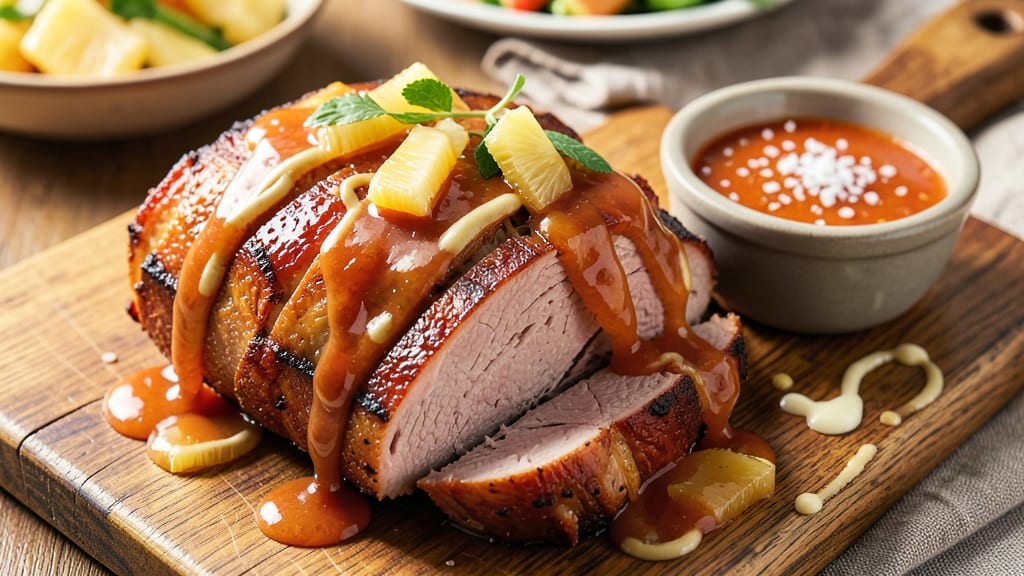
This pineapple sauce for baked ham transforms ordinary holiday ham into a showstopper with its caramelized sweetness and tangy depth. 🌟 The secret lies in balancing pineapple's natural acidity with brown sugar for a glaze that clings beautifully to every slice, creating a glossy finish that rivals any restaurant presentation.
Unlike store-bought versions, this recipe builds rich caramel notes through controlled simmering, ensuring complexity in just 20 minutes of active time.
The sauce starts with a simple reduction of pineapple juice and sugar, then incorporates a touch of Dijon mustard for subtle heat and depth. A splash of apple cider vinegar brightens the flavors while preventing the sugar from crystallizing during storage.
What makes this sauce truly special is its versatility—it works equally well as a glaze for baked ham, a drizzle over ham steaks, or even a tangy condiment for tropical-inspired dishes.
By the time you're done, you'll have a glossy, caramelized sauce that's perfectly balanced between sweet and tangy. The texture is thick enough to cling to ham slices but still pours smoothly from the bottle, making it ideal for both serving and gifting.
This sauce keeps beautifully in the refrigerator for up to 2 weeks, allowing you to prepare ahead and enjoy stress-free holiday entertaining.
The best part? This recipe requires only 5 simple ingredients and delivers restaurant-quality results without the fuss. Whether you're hosting a holiday feast or simply elevating your weeknight ham dinner, this pineapple sauce will add a touch of tropical elegance that everyone will rave about. Let's get started!
Ingredients for pineapple sauce for baked ham
Five simple ingredients transform holiday ham into a tropical showstopper with glossy caramelized layers.
| Ingredient | Amount | Notes |
|---|---|---|
| Fresh Pineapple Juice 🍍 | 1 cup | Freshly squeezed for bright flavor |
| Light Brown Sugar 🍚 | ¾ cup | Packed tightly for caramelization |
| Dijon Mustard 🧂 | 1 tbsp | For subtle depth and tang |
| Apple Cider Vinegar 🍏 | 1 tbsp | Brightens and stabilizes sauce |
| Unsalted Butter 🧈 | 2 tbsp | Full-fat for rich caramel texture |
The pineapple juice is the heart of this sauce—Dole or Del Monte canned pineapple works perfectly, but fresh is ideal if you're making a big batch. Brown sugar matters here: light brown gives that perfect caramel depth without being too dark. I always grab mine from Trader Joe's or the bulk section at Whole Foods—the finer the granules, the smoother your sauce will turn out. For the mustard, Maille Dijon is my go-to, but any good-quality Dijon will work. The vinegar? Bragg's apple cider vinegar is my secret weapon—it's organic and has a clean, bright tang that cuts through the sweetness beautifully.
No fresh pineapple juice? Coconut water works in a pinch, though it'll be lighter in flavor. Running short on brown sugar? White sugar plus a pinch of molasses mimics the depth. The butter can be swapped for vegan butter if needed, though it won't caramelize quite the same way. For a smoother sauce, whisk the butter into the warm reduction at the end—don't melt it first, or you'll lose that beautiful caramel sheen. The vinegar can be omitted if you're sensitive to acidity, but I recommend keeping it—it's what prevents sugar crystallization in storage.
This sauce thickens as it cools, so store it in a glass jar with a tight lid—it'll keep for 2 weeks in the fridge. For gifting, transfer to a small mason jar with a ribbon. Reheat gently in a saucepan over low heat, stirring constantly. If it thickens too much, a splash of water or pineapple juice thins it right back out. The butter gives it that luxurious finish, so don't skip it—it's worth the extra minute to whisk it in properly.
Why You'll Love This Recipe
- I’ll be real: most holiday sauces turn into sad, watery glop by day two. Not this one. The butter and sugar create a thick, spreadable consistency that actually improves when chilled—great for sandwiches or slathering on ham slices for days. Plus, it’s cheap to make; a single jar of pineapple juice and a bag of brown sugar stretch across multiple uses.
- No-Simmer Struggle: I swear by this recipe because it skips the messy stovetop simmer. Just toss the pineapple juice, brown sugar, and vinegar into a saucepan, bring it to a quick boil, then whisk in the butter and mustard while it’s still hot—no waiting around for reduction. The sauce thickens instantly, and you’re left with a glossy, tangy glaze that’s ready to drizzle.
- Sweet-Tart Magic: Honestly, the balance here is chef’s kiss—the caramelized brown sugar and Dijon mustard give it depth, but the fresh pineapple juice cuts through with that bright, tangy punch. It’s not too sweet, not too sharp; it’s the kind of sauce that makes you go back for seconds without even thinking.
- Holiday or Weeknight: Between us, this sauce is my go-to for Thanksgiving hams and lazy Sunday brunches. For holidays, it feels fancy enough to impress guests, but for weeknights, it’s the perfect way to jazz up a pre-cooked ham from the grocery store. The apple cider vinegar adds a subtle complexity that works in any setting.
Step-by-step instructions for tropical pineapple glaze
Here's how to transform simple pantry staples into a silky, caramelized glaze that cuts through rich ham.
🍳 Step 1: Melt Butter and Bloom the Sugar
In a medium saucepan over medium heat, melt the 2 tablespoons unsalted butter until it's completely liquid and foaming subsides. This should take about 2 minutes. The butter's fat content will create the rich base for your caramelized sauce.
Once the butter has melted, immediately add the 0.75 cup light brown sugar, stirring constantly to prevent burning. You'll notice the sugar begin to dissolve almost instantly, creating a pale golden liquid. Let it cook undisturbed for 3-4 minutes until it turns a deeper amber color and begins to smell deeply caramelized. This is where the magic happens—proper sugar bloom creates that perfect balance of sweetness and depth.
🍳 Step 2: Incorporate Acid and Mustard
Reduce the heat to medium-low and carefully whisk in the 1 tablespoon apple cider vinegar and 1 tablespoon Dijon mustard. The vinegar will cause the mixture to bubble vigorously for about 30 seconds—this is normal and actually helps break down the sugar molecules for a smoother sauce.
Stir continuously for another 2 minutes until the mixture thickens slightly and the raw mustard flavor mellows into a subtle tang. You're looking for a consistency similar to heavy cream—thick enough to coat the back of a spoon but still pourable. If it thickens too quickly, add 1 tablespoon water to adjust the texture. The mustard and vinegar work together to brighten the sweetness and add complexity that cuts through the richness of ham.
🍳 Step 3: Simmer with Pineapple Juice
Pour in the 1 cup fresh pineapple juice and bring the mixture to a gentle simmer. The juice will bubble vigorously at first, but after about 2 minutes, reduce the heat to low to maintain a steady simmer rather than a rolling boil. This controlled simmer is crucial—it allows the flavors to meld without reducing the sauce too much.
Simmer uncovered for 10-12 minutes until the sauce has reduced by about 25% and thickened to a glossy consistency. You'll see it coat the back of a spoon with a satiny sheen, and the aroma will be a perfect balance of caramel, tropical fruit, and subtle tang. The pineapple juice adds natural acidity that prevents the sugar from crystallizing and keeps the glaze silky smooth. Stir occasionally to prevent sticking, but don't over-stir or you'll create a skin on the surface.
⏰ Step 4: Finish and Test for Perfection
Remove the saucepan from heat and let it cool slightly for 2-3 minutes. This resting period allows the sauce to thicken further as it comes to room temperature. Taste and adjust the seasoning—you might want to add a pinch of salt to enhance the flavors, or a squeeze of lemon juice if you prefer more brightness.
The glaze should be smooth, glossy, and have a perfect balance of sweet, tangy, and caramelized notes. If it's too thick, whisk in 1 teaspoon water at a time until it reaches a pourable consistency that will cling beautifully to your baked ham. For best results, use the glaze immediately while it's still warm and vibrant. The sauce will continue to thicken slightly as it cools, so don't worry if it looks a bit thin when you first brush it on the ham.
Pro Tips For Making Pineapple Sauce For Baked Ham
- Simmer Slow and Steady: I used to rush this sauce, watching it bubble like a panicked teen, but it needs gentle heat—low and slow for 10-12 minutes. Too hot, and the butter seizes or the sugar burns, leaving you with a grainy, bitter mess instead of that glossy, balanced glaze.
- Strain That Juice: Fresh pineapple juice is a game-changer, but pulp ruins everything. After blending, strain it through a fine-mesh sieve or cheesecloth—no pulp means no gritty texture when you brush it on the ham. (Yes, even if you’re impatient like me.)
- Balance the Sweet and Tang: Taste as you go, but here’s the real move: start with half the vinegar, then adjust. Too much acid upfront kills the sweetness; too little later, and you’re stuck with cloying sugar. My grandmother swore by this, and she was right: balance is everything.
- Whisk in the Butter Last: Cold butter in hot sauce = lumps. Melt it first in a separate bowl with a splash of pineapple juice, then whisk it into the warm sauce. The sauce will thicken instantly, and you won’t spend 5 minutes fishing out butter globs. (Your future self will thank you.)
Perfect pairings for pineapple sauce for baked ham
Ham Glazing Technique
Brush this pineapple glaze onto your baked ham in three stages for maximum flavor penetration. Start with a thin layer while the ham is still warm from the oven (160°F internal temp), then return it to the oven for 10 minutes at 325°F to set the glaze.
After resting for 15 minutes, apply a second layer and broil for 2-3 minutes to create a caramelized crust. For extra shine, add a final drizzle right before serving. 🌟
Side Dish Pairings
Serve this tropical glaze with savory sides that complement its sweet-tangy profile. A creamy scalloped potato casserole balances the richness, while roasted Brussels sprouts with bacon add smoky contrast. For a lighter option, cucumber salad with red onion and dill refreshes the palate between bites.
The glaze also works beautifully with garlic mashed sweet potatoes for a Southern-inspired twist.
Drink Pairings
Pair this glaze with sparkling beverages that cut through its sweetness. A dry sparkling rosé like La Crema or Whispering Angel enhances the tropical notes, while a ginger beer (like BrewDog) adds effervescence.
For non-alcoholic options, pineapple-infused sparkling water mirrors the sauce's flavors perfectly. A light lager such as Peroni also works well to cleanse the palate between bites.
Garnish Ideas
Elevate your presentation with simple garnishes that highlight the glaze's tropical theme. Sprinkle toasted coconut flakes over the ham for texture, or add thin pineapple slices arranged in a fan shape.
A dusting of flaky sea salt enhances the caramelized flavors, while fresh mint leaves add a bright contrast. For a festive touch, drizzle with edible gold leaf before serving.
Make-Ahead Tips
Prepare the glaze up to 3 days ahead and store it in an airtight container in the refrigerator. Reheat gently in a saucepan over low heat with 1 tablespoon water to restore its silky texture.
If making a ham ahead, glaze it 2 hours before serving and reheat in a 325°F oven for 15 minutes**. For a stress-free holiday, assemble the sauce ingredients in advance—just combine and simmer when ready.
Nutrition facts
Frequently asked questions
Can I use canned pineapple juice instead of fresh?
Yes, canned pineapple juice works perfectly—just choose a brand without added sugar or preservatives. The acidity remains strong enough for the reduction, and it eliminates the need to squeeze fresh fruit. For best flavor, look for 100% pineapple juice (like Dole or Del Monte) rather than "pineapple drink" blends.
How do I prevent the sauce from crystallizing when stored?
The apple cider vinegar in the recipe actually prevents crystallization by breaking down sugar molecules. Still, if you notice sugar grains after storage, gently reheat the sauce with 1 tablespoon water and whisk until smooth. Store in a glass jar with a tight lid to maintain freshness.
Can I make this sauce without butter?
For a dairy-free version, replace the butter with 2 tablespoons coconut oil or vegetable oil. The sauce will still caramelize beautifully, though the texture may be slightly lighter. Just reduce the heat slightly to prevent burning the oil.
What if my sauce is too thin after simmering?
Simmer the sauce uncovered for an additional 5 minutes—the liquid will reduce further. If it's still too thin, whisk in 1 teaspoon cornstarch mixed with 1 tablespoon cold water until thickened. For a glossy finish, avoid over-stirring during simmering to prevent skin formation.
How long can I keep leftover glaze?
This pineapple glaze stays fresh for 2 weeks in the refrigerator when stored in an airtight container. For longer storage, freeze it in ice cube trays—thaw and reheat gently before use. The sauce thickens as it cools, so reheat with 1 tablespoon water to restore its pourable consistency.