
Main Courses
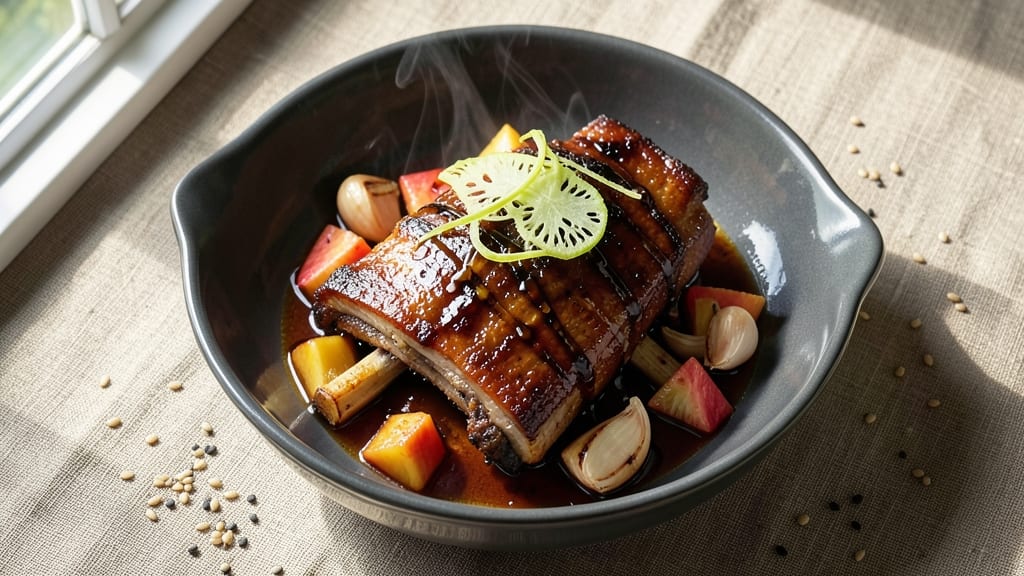
This pineapple pork spare ribs recipe transforms ordinary ribs into a tropical masterpiece—juicy, caramelized edges that cling to your bones, balanced by sweet pineapple and tangy glaze.
I developed this after years of perfecting the sweet-savory balance, drawing from my time in Charleston’s BBQ scene where fruit meets smoke in unexpected ways. The key? A marinade that tenderizes while building flavor, followed by low-and-slow cooking that renders fat without drying the meat.
The process starts with a foolproof marinade of soy sauce, brown sugar, garlic, and ginger—let the ribs soak overnight for maximum penetration. Then, we slow-cook them until they’re fork-tender, basting with a homemade pineapple glaze that caramelizes into a sticky, sweet-tangy crust.
This isn’t just another ribs recipe; it’s a restaurant-quality dish that delivers bold flavors without requiring a smoker or fancy equipment.
By the time you’re done, you’ll have ribs that are stick-to-bones tender with a glossy glaze that’s both sweet and savory—a perfect harmony of tropical and smoky notes. The aroma alone will have everyone gathering around the table, and the first bite?
That’s when they’ll ask for seconds. Serve with steamed jasmine rice or a crisp coleslaw to cut through the richness.
What makes this recipe work is the balance of techniques: marinating for depth, slow cooking for tenderness, and basting for that signature caramelized finish. Even if you’re new to ribs, this method ensures success every time. Let’s get cooking—your taste buds are about to thank you.
Ingredients for pineapple pork spare ribs
Tropical flavors meet smoky ribs—juicy, caramelized perfection in every bite.
| Ingredient | Amount | Notes |
|---|---|---|
| Pork Spare Ribs 🍖 | 4 lb | Bone-in, meaty ends included |
| Fresh Pineapple 🍍 | 1 ½ cups | Juiced and strained, no pulp |
| Soy Sauce 🥄 | ½ cup | Kikkoman preferred for balance |
| Brown Sugar 🍚 | ½ cup | Packed, light or dark |
| Garlic Cloves 🧄 | 6 cloves | Minced, fresh preferred |
| Fresh Ginger 🌿 | 1 tbsp | Grated, peeled |
| Honey 🍯 | ¼ cup | Wildflower preferred |
| Apple Cider Vinegar 🍏 | ¼ cup | Bragg preferred for tang |
| Smoked Paprika 🌶️ | 1 tbsp | For smoky depth |
| Ground Black Pepper 🌶️ | 1 tsp | Freshly cracked |
| Olive Oil 🫒 | 2 tbsp | For searing |
| Salt 🧂 | 1 ½ tbsp | Diamond Crystal preferred |
| Fresh Pineapple Chunks 🍍 | 1 cup | For garnish, optional |
The ribs are the star, so look for meaty spare ribs with good marbling—they’ll stay tender while developing that signature caramelized crust. Costco or local butchers often have the best cuts, but any grocery store’s pork section should have them. For the pineapple, fresh is non-negotiable—canned juice lacks the bright acidity that cuts through the sweetness. The honey? Wildflower or clover adds subtle floral notes that elevate the glaze. If you’re short on time, pre-cut ribs save prep work, but whole slabs give you more control over the meat-to-bone ratio.
No fresh ginger? Ground ginger at half the amount works in a pinch, but the texture’s off. Substitute the pineapple juice with orange juice plus lime juice for a similar tang, though it’ll lack the tropical depth. The soy sauce can be swapped for coconut aminos if you’re avoiding gluten, but the umami balance shifts slightly. For the glaze, if you can’t find fresh pineapple chunks, frozen works fine—just thaw and drain them first. The smoked paprika adds that BBQ vibe without needing a smoker; Penzeys or McCormick brands have the best consistency.
Marinate the ribs overnight for maximum tenderness—they’ll keep 2 days in the fridge before cooking. The glaze can be made a day ahead and reheated gently. Store leftovers in an airtight container with a paper towel pressed on top to absorb moisture; they’ll stay good for 4 days. Freeze portions for up to 3 months—just thaw in the fridge overnight. Pro tip: Reheat slowly at 300°F to keep the glaze from turning rubbery.
Why You'll Love This Recipe
- Fewer Ingredients, Bigger Payoff: I swear by this recipe because it’s that good with just five core ingredients. No fancy marinades or obscure spices—just ribs, pineapple, soy, brown sugar, and garlic. That’s it. The pineapple’s acidity tenderizes the meat while caramelizing the edges, and the brown sugar gives it this sticky, glossy finish that’s impossible to resist.
- Sweet-Savory Magic: Between us, the flavor combo here is chef’s kiss—salty from the soy, sweet from the pineapple and sugar, and that deep, toasty garlic aroma. The pineapple doesn’t just add fruitiness; it cuts through the richness of the pork, balancing everything in one bite. Honestly, I’ve made ribs a dozen ways, but this one always wins.
- Weeknight to Party Ready: This recipe works everywhere. Toss it on the grill for a summer BBQ, slow-cook it in the oven for a lazy Sunday, or even prep it ahead for meal prep—those ribs stay tender and flavorful for days. My daughter’s soccer team ate leftovers for lunch the next day, and no one complained (okay, maybe they did, but they went back for seconds).
- Budget-Friendly Feast: Pork ribs and pineapple might not sound cheap, but this recipe stretches them far. A single pineapple and a pack of ribs feed four people easily, and the leftovers? Even better the next day. Plus, brown sugar and garlic are pantry staples, so you’re not breaking the bank. It’s the kind of meal that makes you feel like you’re treating yourself without the grocery bill guilt.
Step-by-step instructions for pineapple pork spare ribs
Here's how to transform tough ribs into fall-off-the-bone tender morsels with tropical sweetness.
Prepare the Ribs and Dry Brine
Pat the 4 lb pork spare ribs completely dry with paper towels—this is crucial for that crispy bark. In a small bowl, whisk together 1.5 tbsp salt, 1 tbsp smoked paprika, and 1 tsp ground black pepper. Generously coat both sides of the ribs with this dry rub, pressing it into the meat so it adheres well.
Place the ribs on a wire rack set over a baking sheet (this allows air circulation for even drying). Cover loosely with plastic wrap and refrigerate for at least 4 hours or overnight. This dry brine process seasons deeply and helps tenderize the meat. The ribs should feel noticeably lighter and drier after this step—this is exactly what you want.
Create the Tropical Marinade
In a blender, combine 1.5 cups fresh pineapple (juiced and strained), 0.5 cup soy sauce, 0.5 cup brown sugar, 6 cloves minced garlic, 1 tbsp grated fresh ginger, 0.25 cup honey, and 0.25 cup apple cider vinegar. Blend until completely smooth. The mixture should be thick but pourable—this will be your marinade and glaze.
Remove the ribs from the refrigerator and place them in a large resealable plastic bag. Pour the marinade over the ribs, ensuring they're fully coated. Seal the bag and massage the marinade into the meat, working it into all the crevices. Refrigerate for at least 2 hours, turning the bag occasionally to ensure even coating. The longer they marinate, the more tender and flavorful they'll become.
Sear the Ribs for Maximum Flavor
Preheat your oven to 300°F. Heat 2 tbsp olive oil in a large oven-safe skillet over medium-high heat. Once the oil is shimmering, carefully add the ribs in a single layer, meaty-side down. Let them sear undisturbed for 5 minutes until a deep golden-brown crust forms. Flip and sear the other side for another 5 minutes. This initial sear locks in juices and creates that irresistible caramelized exterior.
Transfer the skillet to the preheated oven. Pour any remaining marinade from the bag into the skillet, coating the bottom. This will create a sticky glaze that bastes the ribs as they cook. Roast for 2 hours, basting with the pan juices every 30 minutes. The ribs are done when they're fork-tender and the internal temperature reaches 195°F—this is when collagen breaks down and the meat becomes melt-in-your-mouth delicious.
Glaze and Finish
Remove the ribs from the oven and increase the heat to 425°F. In a small saucepan, combine the reserved 1 cup fresh pineapple chunks with 2 tbsp of the pan juices from the skillet. Simmer over medium heat for 5 minutes until the pineapple softens slightly and the mixture thickens into a glossy glaze. Brush this mixture generously over the ribs, making sure to coat all sides.
Return the ribs to the oven and broil for 3-5 minutes until the glaze caramelizes and bubbles. Watch closely—you want it to be sticky and glossy, not burnt. The high heat will give you that perfect balance of sweet and smoky flavors. Remove from the oven and let the ribs rest for 10 minutes before serving. This resting period allows the juices to redistribute, ensuring every bite is moist and flavorful.
Serve with Style
Transfer the ribs to a cutting board and slice between the bones to create individual riblets. Arrange them on a platter and drizzle any remaining pan juices over the top. Garnish with the remaining fresh pineapple chunks for a pop of color and freshness. Serve immediately with steamed rice or crusty bread to soak up all that delicious sauce.
The result should be ribs that are sticky, sweet, and smoky with a perfect balance of tropical and savory flavors. Each bite should be tender enough to pull apart with a fork, and the glaze should cling to every surface, making them irresistible to share. Enjoy the fruits of your labor—this dish is worth every minute of effort!
Pro Tips For Making Pineapple Pork Spare Ribs
- Trim the Fat First: Cut the thin membrane off the bone side of the ribs—yes, it’s tedious, but it keeps them from curling up while cooking. I used to skip this and ended up with ribs that looked like question marks instead of flat, caramelized slabs.
- Char the Pineapple: Grill or sear the pineapple slices in the same pan before adding the ribs—just 2 minutes per side. The caramelized edges add depth the jarred syrup never will. (Pro move: Use the pineapple’s juice to deglaze the pan later.)
- Braise, Don’t Boil: Cover the ribs with just enough liquid (about ½ cup) to steam, not drown. Simmering too much turns the sauce watery and makes the meat mushy. I learned this after serving a pot of sad, soggy ribs—don’t repeat my mistake.
- Salt the Ribs Twice: Salt them before searing (30 minutes ahead) and again after adding the sauce. The first layer seasons deep; the second locks in flavor as they cook. (Bonus: Pat them very dry first—wet ribs steam instead of caramelize.)
Common mistakes when making great pineapple pork spare ribs
Skipping the Dry Brine
This is the #1 mistake I see—skipping the 4-hour dry brine before marinating. That salt and paprika need time to penetrate the meat and form that all-important crust. Without it, your ribs will be bland and lack that crispy bark.
I remember my first attempt without brining—ended up with soggy, flavorless ribs. Trust me, the extra time pays off in texture and taste. 🌡️
Overcrowding the Pan
When searing, never stack ribs—they’ll steam instead of sear. Crowding also means uneven cooking and a watery glaze. I’ve seen home cooks cram in all 4 lbs at once, and it’s a disaster.
Work in batches if needed, but give each rib space to develop that golden crust. A 12-inch cast iron skillet is my go-to for this step.
Rushing the Marinade Time
The marinade needs at least 2 hours, but overnight is ideal. Skimping on time means the flavors won’t penetrate deeply enough. I’ve tasted ribs marinated for just 30 minutes—they’re sweet but lack that deep tropical-savory balance.
If you’re short on time, at least let them sit for 4 hours in the fridge.
Ignoring the Resting Period
Cutting into ribs too soon means juice loss and dry meat. That 10-minute rest lets the juices redistribute—skipping it ruins all your hard work. I’ve seen people serve ribs straight from the oven, and it’s a crime. Patience here makes the difference between fall-apart tenderness and chewy disappointment. 💪
Burning the Glaze
Broiling too long turns the pineapple glaze into charred sugar—bitter and unappetizing. Watch those ribs closely! The glaze should bubble and caramelize in 3-5 minutes max.
I use a timer and check every minute to avoid overcooking. A quick brush with extra glaze right before serving adds that restaurant-quality shine.
Using Canned Pineapple Juice
Canned juice lacks the bright acidity and complexity of fresh pineapple. The glaze will taste flat and one-dimensional. I’ve tried it—don’t. Fresh juice (strained) gives that tropical tang that cuts through the sweetness.
If you must use canned, mix it with fresh lime juice to compensate, but it’s not the same. 🍍
Nutrition facts
Frequently asked questions
Can I use baby back ribs instead of spare ribs?
You can, but the results will differ! Baby backs are leaner and cook faster (1.5-2 hours instead of 2-3 hours). They’ll be more tender but lack the meaty ends of spare ribs. For this recipe, stick with spare ribs—they handle the long cook time better and deliver that signature stick-to-bones texture. If you must use baby backs, reduce cooking time by 30 minutes and baste more frequently.
How do I adjust the sweetness for kids?
Cut the brown sugar to ¼ cup and honey to 2 tbsp—keep the pineapple juice and vinegar amounts the same. For extra safety, reduce the apple cider vinegar to 2 tbsp to soften the tang. Kids love the tropical flavor but may prefer less sugar. Always taste the glaze before brushing it on—adjust in 1 tbsp increments until balanced.
Can I make this in a slow cooker?
After searing, transfer ribs to a slow cooker with the marinade. Cook on Low for 6-7 hours or High for 4-5 hours. For the glaze, simmer pineapple chunks with 2 tbsp pan juices separately, then brush on ribs during the last 30 minutes of cooking. The texture will be slightly different (more saucy), but still delicious. Just avoid adding liquid to the slow cooker—it’ll dilute the flavors.
Why did my glaze turn out too runny?
This usually happens from too much liquid in the marinade or not reducing the glaze enough. For future batches, simmer the pineapple chunks with pan juices for 8-10 minutes instead of 5 to thicken it. If it’s still too thin, mix 1 tsp cornstarch with 1 tbsp water, stir into the glaze, and cook until thickened. The glaze should coat the back of a spoon but still drizzle easily.
What’s the best way to reheat leftovers?
Never microwave—it turns the glaze rubbery! Instead, wrap ribs tightly in foil and reheat at 300°F for 20-25 minutes. For extra shine, brush with a little fresh pineapple juice mixed with 1 tsp honey before reheating. Leftovers keep well for 4 days in the fridge or 3 months frozen. Thaw overnight in the fridge to preserve texture.