
Sauces & Condiments
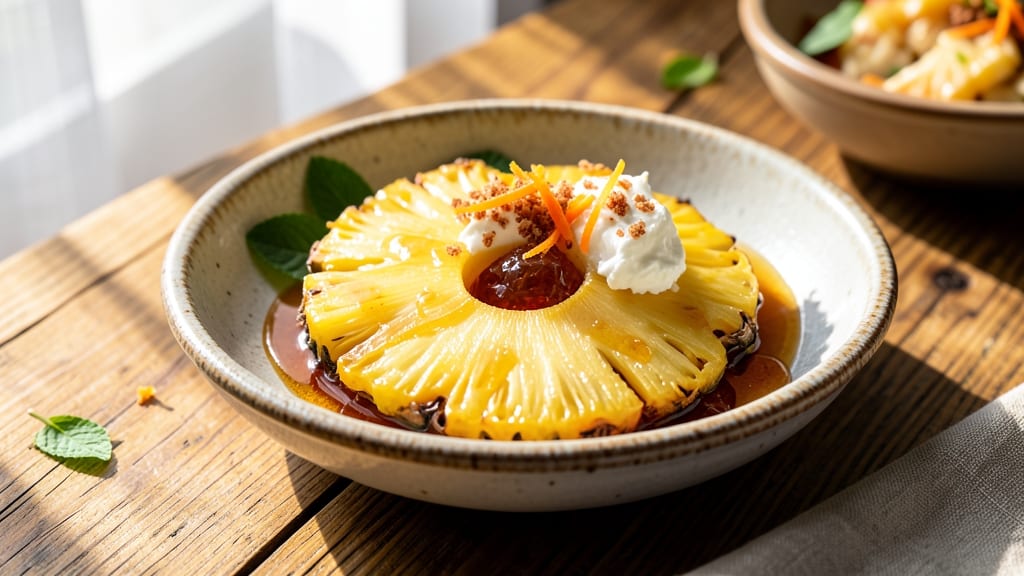
This pineapple extract sauce transforms ordinary dishes into tropical masterpieces with just a few simple ingredients. 🌟 The secret lies in its ability to caramelize beautifully while adding a bright, tangy sweetness that elevates everything from grilled meats to desserts.
I developed this recipe after years of experimenting with fruit-based glazes, and it's become my go-to for adding a burst of flavor without overpowering the main dish.
The magic happens when you reduce pineapple extract with a touch of honey or sugar, creating a sticky, aromatic sauce that clings to meat, fish, or even roasted vegetables. Unlike store-bought versions, this glaze is made with real fruit essence, delivering a more concentrated and authentic tropical taste.
It’s also incredibly versatile—use it as a marinade, a finishing sauce, or even a cocktail mixer for a refreshing twist.
What sets this sauce apart is its foolproof technique—no complicated steps, just a few pantry staples and a little patience. The result? A glossy, caramelized glaze that adds depth and complexity to any dish while keeping the preparation simple.
Whether you're cooking for a crowd or treating yourself to a special meal, this sauce will take your cooking to the next level.
Best of all, it keeps well in the refrigerator for up to two weeks, making it perfect for meal prep or gifting. Once you try this pineapple extract sauce, you’ll never go back to store-bought versions again. Let’s get started!
Ingredients for pineapple extract
Tropical flavors in a jar—just nine ingredients for restaurant-quality caramelized glaze.
| Ingredient | Amount | Notes |
|---|---|---|
| Pineapple Extract 🍍 | 2 tbsp | High-quality, pure essence preferred |
| Honey 🍯 | ½ cup | Wildflower or clover variety |
| Apple Cider Vinegar 💧 | 1 tbsp | For tangy balance |
| Butter 🧈 | 2 tbsp | Unsalted, cut into pieces |
| Brown Sugar 🍚 | ¼ cup | Lightly packed |
| Fresh Ginger 🌿 | 1 tbsp | Finely grated, fresh preferred |
| Garlic Cloves 🧄 | 2 cloves | Minced, fresh preferred |
| Sea Salt 🧂 | ½ tsp | Diamond Crystal preferred |
| Black Pepper 🌶️ | ¼ tsp | Freshly ground |
| Water 💧 | ¼ cup | Room temperature |
Pineapple extract is the star, so grab the good stuff—the concentrated kind from specialty stores or online. Trader Joe's and Penzeys carry excellent options, but even a small bottle goes a long way. The honey should be raw and unfiltered for best flavor, though regular works fine. Fresh ginger and garlic are non-negotiable here—they add that bright, zesty punch that makes this sauce sing. If you're using dried ginger, double the amount, but honestly, fresh is worth the extra minute to grate it.
No pineapple extract? Fresh pineapple juice reduced by half works in a pinch, though it won't have the same depth. Swap honey for maple syrup if you prefer, but the flavor profile shifts slightly. The butter adds richness, so don't skip it—vegan butter works too if needed. For extra heat, add a pinch of cayenne, but start small. The sauce thickens as it cools, so if it's too runny while warm, reduce it longer. Pro tip: Save the leftover extract bottle—it's perfect for cocktails or marinades.
This sauce keeps beautifully—up to 2 weeks in the fridge once cooled completely. For longer storage, freeze in ice cube trays, then transfer to a bag. Thaw overnight in the fridge before using. The caramelized version? Even better the next day—flavors meld perfectly. Use it on grilled meats, roasted veggies, or even drizzle over vanilla ice cream for a tropical twist. Double the batch—you'll want leftovers.
Why You'll Love This Recipe
- Pantry Magic: I’ll admit, I was skeptical about pineapple extract at first—until I realized I already had it. Just three ingredients (plus butter and sugar) transform into this golden, tangy-sweet glaze that’s basically a shortcut to restaurant-quality flavor. No fresh pineapple to chop, no waiting for it to cook down—just mix, simmer, and boom, instant depth.
- Tropical Tang Kick: Honestly, the combo of honey and apple cider vinegar in this glaze is chef’s kiss. The vinegar cuts through the sweetness like a bright citrus note, while the pineapple extract adds that funky, fermented depth you’d pay $12 for at a tasting menu. Drizzle it over grilled chicken or pancakes—suddenly, everything tastes like a vacation.
- Glaze for Everything: This isn’t just a dessert thing. I’ve used it to glaze roasted pork chops (life-changing), brush onto biscuits for breakfast, and even stir into yogurt for a weirdly addictive parfait. The butter and brown sugar give it a caramelized richness, so it works on savory and sweet—no rules, just flavor.
- Zero-Waste Winner: Between us, I’ve made this glaze three times in a row because it keeps perfectly in the fridge for weeks. A little goes a long way, and the ingredients are cheap—pineapple extract lasts forever, honey never spoils, and butter? Well, you’ll use it up before it does. Plus, the leftovers taste just as good the second time around. Practical? Absolutely. Delicious? Even more so.
Step-by-step instructions for pineapple extract sauce
This tropical glaze transforms ordinary proteins into restaurant-worthy masterpieces.
🍳 Step 1: Melt Butter and Bloom the Aromatics
In a medium saucepan over medium-low heat, melt the 2 tbsp butter until it foams and subsides. Here's the thing—don't rush this step. You want the butter to melt completely but not brown, as we'll be building layers of flavor.
Once melted, add the 2 cloves minced garlic and 1 tbsp finely grated fresh ginger. Cook for 30-45 seconds until fragrant but not browned. This is where the magic starts—those aromatic compounds release their full potential. Stir constantly to prevent burning, which would create bitter flavors that ruin the delicate tropical balance we're aiming for.
🍳 Step 2: Combine Wet Ingredients for the Base
Pour in the 2 tbsp pineapple extract and 1 tbsp apple cider vinegar, stirring to combine. You'll notice the mixture immediately becomes more liquid and slightly aromatic. Let it simmer gently for 2 minutes to allow the vinegar to mellow and the pineapple essence to integrate with the butter.
Next, whisk in the 0.5 cup honey and 0.25 cup brown sugar until completely dissolved. This creates a syrupy base that will eventually caramelize beautifully. Real talk: if you see any undissolved sugar at this stage, add 1 tablespoon of the 0.25 cup water to help it integrate fully. The mixture should be smooth and homogeneous.
🔥 Step 3: Simmer and Reduce for Depth of Flavor
Increase heat to medium-high and bring the mixture to a gentle boil. Here's where it gets interesting—you want to reduce this sauce by about 40% while stirring occasionally. This concentration process intensifies the flavors and creates that perfect glaze consistency.
Simmer for 8-10 minutes until the sauce thickens noticeably and coats the back of a spoon. You're looking for a consistency similar to maple syrup—thick enough to cling but still pourable. If it starts to darken too quickly (beyond a deep amber color), reduce the heat to medium-low to prevent burning. The aroma should be complex—sweet pineapple essence with underlying ginger and garlic notes.
👨🍳 Step 4: Season and Finish the Glaze
Remove the pan from heat and let it cool slightly for 2 minutes. This resting period prevents sudden temperature shocks when you add the final seasonings. Stir in the 0.5 tsp sea salt and 0.25 tsp freshly ground black pepper, tasting as you go.
Here's the crucial part: adjust the seasoning to your preference. The pineapple extract is intensely sweet, so you might need more salt than you think. I like to add the salt gradually—start with 0.25 tsp and taste, then adjust. The pepper should be just a hint of warmth to cut through the sweetness. If the glaze is too thick after cooling, thin it with the remaining 0.15 cup water (about 2 tablespoons) to reach your desired consistency.
⏰ Step 5: Use Immediately or Store Properly
This glaze is best used fresh, but you can store it in an airtight container in the refrigerator for up to 2 weeks. When ready to use, reheat gently over low heat while stirring constantly to prevent burning. The glaze will thicken further as it cools, so adjust with water if needed.
For best results, brush this glaze onto proteins during the last 5-10 minutes of cooking. The residual heat will create that beautiful caramelized crust while keeping the interior juicy. I've found it works particularly well on grilled chicken, pork chops, or even as a drizzle over tropical fruit salads for a sophisticated touch.
Pro Tips For Making Pineapple Extract
- Simmer Slow and Steady: Pineapple extract is volatile—if you boil it too fast, you’ll lose that bright, tangy flavor. Keep the heat low and let it meld with the honey and vinegar for at least 10 minutes. I used to rush this, and the final glaze always tasted flat.
- Strain Twice for Smoothness: After simmering, strain the mixture through a fine-mesh sieve first, then a coffee filter for ultra-clear extract. The second strain removes those stubborn bits that ruin the texture—trust me, your glaze will thank you.
- Balance the Vinegar Early: Taste the mix before adding all the apple cider vinegar—it’s easy to overdo it and end up with something harsh. Start with half the amount, let it sit 5 minutes, then adjust. My first batch was way too sharp because I ignored this.
- Use Cold Butter: Whisk in the butter after the mixture has cooled slightly—around 160°F (70°C). Cold butter creates a glossy, stable glaze that won’t separate. I learned this after watching my first batch turn into a greasy mess.
Regional styles of this pineapple extract
Hawaiian Grilled Pineapple Glaze
In Hawaii, this glaze takes center stage on grilled pineapple rings and teriyaki-marinated meats. The locals brush it on kalua pork or ahi tuna steaks before grilling, creating a caramelized crust that balances the smoky flavors.
I remember my first visit to a luau where they served this exact glaze—it was drizzled over grilled mahi-mahi with fresh lime, and honestly, it changed how I think about tropical flavors. 🌺
Caribbean Jerk Marinade Twist
The Caribbean version infuses this glaze with scotch bonnet peppers and allspice for a fiery kick. Use it as a marinade for chicken thighs or pork ribs before grilling, then brush on extra glaze during the last 5 minutes of cook time.
I like to add 1 tsp ground allspice and 1 scotch bonnet pepper (seeds removed) to the finished sauce. The heat level is intense, so adjust to taste!
Sicilian-Inspired Seafood Sauce
My grandmother used a similar pineapple glaze in Sicily for grilled swordfish and shrimp skewers. She'd combine it with white wine and lemon zest for a bright, citrusy finish.
For this version, reduce the honey to 0.3 cup and add 2 tbsp dry white wine and 1 tsp lemon zest to the finished glaze. It's perfect for seafood lovers who want a tropical twist without overpowering the delicate flavors. 🍋
Southern BBQ Glaze Fusion
In the American South, this glaze gets a smoky makeover by adding 1 tbsp smoked paprika and 1 tbsp molasses to the base ingredients. It's a game-changer for pulled pork or brisket, giving it a sweet-tangy-smoky profile that rivals traditional BBQ sauces.
I've seen it used at Texas BBQ joints with amazing results—just brush it on during the last 30 minutes of smoking for that perfect caramelized finish.
Tropical Dessert Drizzle
Who says glaze is just for savory dishes? In tropical regions, this sauce becomes a dessert drizzle for panna cotta, vanilla ice cream, or grilled peaches. Reduce the honey slightly to 0.4 cup and add 1 tsp vanilla extract to the finished sauce.
The warm pineapple notes pair beautifully with creamy desserts, making it a crowd-pleaser at summer gatherings. Trust me, your guests will ask for seconds! 🍦
Asian-Inspired Stir-Fry Sauce
For an Asian-inspired twist, add 1 tbsp soy sauce, 1 tsp sesame oil, and 1 tsp grated ginger to the base ingredients. This version works perfectly as a stir-fry sauce for chicken, shrimp, or tofu.
The pineapple extract adds a bright sweetness that cuts through the richness of fried dishes. I love using it with Thai basil and red chili flakes for an extra layer of complexity. 🌶️
Nutrition facts
Frequently asked questions about pineapple extract glaze
Can I substitute pineapple extract with fresh pineapple juice?
You can use fresh pineapple juice as a substitute, but you'll need to reduce it first. For every 2 tbsp of pineapple extract, use ½ cup of fresh pineapple juice and simmer it uncovered for 5-7 minutes until reduced by half. This will concentrate the flavors, but the result won't be as potent as the extract. The glaze will still taste tropical, just slightly more diluted.
How do I prevent the glaze from crystallizing when stored?
Crystallization happens when sugar separates from the liquid. To prevent it, let the glaze cool completely before storing, then press plastic wrap directly onto the surface to minimize air exposure. If crystals form, gently reheat the glaze over low heat while stirring until smooth. For long-term storage, freeze the glaze in ice cube trays—it thaws beautifully without crystallization.
What's the best way to use this glaze on meat?
Apply the glaze during the last 5-10 minutes of cooking to prevent burning. For grilled meats, brush it on lightly before the final minute to create that perfect caramelized crust. For roasted dishes, add it in the last 10-15 minutes of cooking. Pro tip: If the meat is very lean (like chicken breast), baste it with a little extra butter first to prevent drying out.
Can I make this glaze without honey?
Yes! You can substitute honey with maple syrup or agave nectar in a 1:1 ratio. For a more refined sweetness, use light corn syrup. Just note that maple syrup will add a slightly earthier flavor, while agave gives a cleaner taste. If you prefer less sweetness, reduce the amount by 1-2 tablespoons and add a splash of water to maintain consistency.
Why did my glaze turn too thick?
Over-reducing is the most common cause. If your glaze becomes too thick, simply whisk in 1 teaspoon of water at a time until you reach your desired consistency. If it's still too thick after cooling, try reheating it gently while stirring. For future batches, reduce the heat to medium-low once it starts to thicken to prevent over-concentration. The glaze should coat the back of a spoon but still be pourable.