
Sauces & Condiments
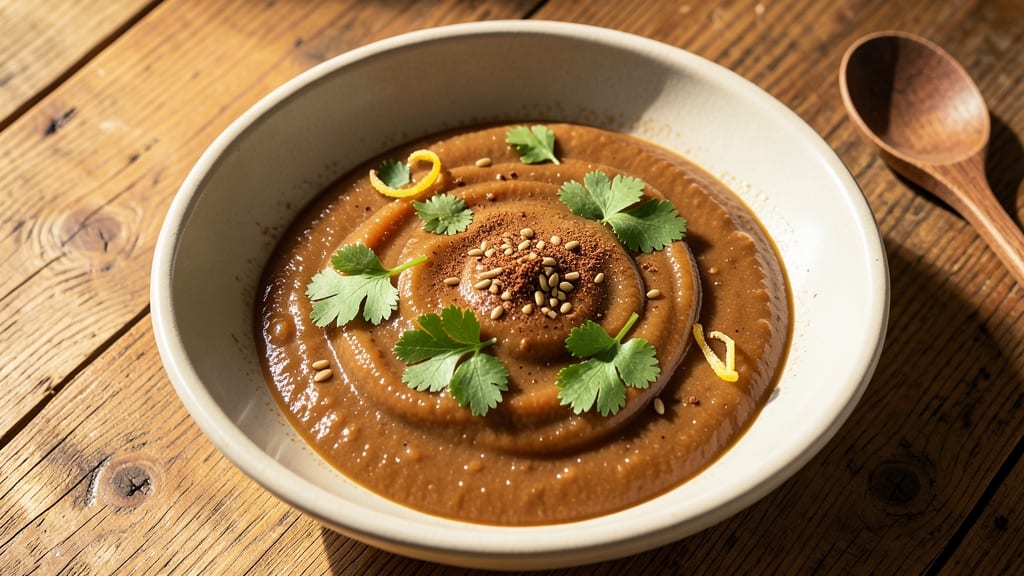
Martha Stewart's apple sauce recipe transforms simple apples into a velvety, aromatic condiment that elevates everything from toast to roasted meats. The secret lies in a spiced simmer that preserves natural sweetness while adding subtle warmth, and the unexpected celery crunch twist adds refreshing texture.
This isn't just applesauce—it's a versatile sauce that bridges comfort food and gourmet applications with equal ease.
The process begins with peeling and coring apples, then simmering them until tender enough to mash by hand or blend for a smoother finish.
A touch of cinnamon and lemon juice balances sweetness, while celery seeds or fresh celery leaves add that signature crunch that sets this apart from traditional versions. The result is a sauce that's naturally sweetened—no refined sugar needed—and packed with autumnal flavor.
What makes this recipe truly practical is its adaptability: use it as a spread for morning toast, a topping for pancakes or yogurt, or even a baby food base when cooled.
The sauce keeps beautifully in the refrigerator for up to a week or freezes for months, making it perfect for meal prep. Whether you're serving it warm over roasted pork or chilled in a lunchbox, this applesauce delivers restaurant-quality results with minimal effort.
For those who prefer texture, simply mash the apples by hand instead of blending, leaving small chunks that add visual appeal. The celery twist can be adjusted—add more seeds for extra crunch or omit entirely for a classic version.
This recipe proves that homemade condiments can be both impressive and effortless, turning a simple fruit into a pantry staple that deserves a place in any kitchen.
Ingredients for martha stewart apple sauce
Eight simple ingredients transform ordinary apples into Martha Stewart's signature velvety sauce with autumnal warmth.
| Ingredient | Amount | Notes |
|---|---|---|
| Apples (Granny Smith or Honeycrisp) 🍎 | 4 lb | Peeled, cored, sliced into even pieces |
| Celery Seeds 🌿 | 1 tbsp | Whole or lightly crushed |
| Ground Cinnamon 🍃 | ½ tsp | Freshly ground preferred |
| Lemon Juice 🍋 | 2 tbsp | Freshly squeezed |
| Water 💧 | 1 cup | For simmering |
| Fresh Celery Leaves (or stalks) 🥬 | ¼ cup | Chopped for crunch (optional) |
| Unsalted Butter 🧈 | 2 tbsp | For richness (optional) |
| Sea Salt 🧂 | ¼ tsp | Fine grain preferred |
The apples are the foundation—Granny Smith for tartness or Honeycrisp for natural sweetness. Local farmers markets often have the best selection, but any crisp variety works. Avoid overly soft apples; they’ll turn mushy during simmering. For the celery seeds, Penzeys or bulk spice sections carry high-quality varieties. Fresh celery leaves add that signature crunch, but if they’re wilted, skip them—they’ll turn bitter. The cinnamon should be freshly ground (pre-ground loses potency fast), and lemon juice needs to be freshly squeezed for the brightest flavor.
No celery seeds? Dried dill at half the amount adds a different herbal note. Short on apples? Pears work in a pinch—they’re sweeter, so reduce to 3 lbs. No butter? Olive oil or coconut oil—use 1 tbsp instead. The water can be swapped for apple cider for extra depth, but don’t overdo it. For a smoother texture, blend the apples before simmering; for rustic appeal, mash them by hand. The celery leaves can be omitted entirely if you prefer a classic version, but they’re what makes this recipe truly special.
This sauce keeps beautifully—1 week in the fridge or 6 months frozen. For freezing, portion into ice cube trays before transferring to a bag. Reheat gently on the stove or microwave until warmed through. The butter adds richness, so if you’re skipping it, stir in a splash of vanilla extract for extra depth. For baby food, cool the sauce completely before serving. The celery crunch fades over time, so add fresh leaves just before serving if you want that signature texture.
Why You'll Love This Recipe
- No Peel Required: I swear by this trick—just core and chop those Granny Smiths, no peeling. That bright, tart punch from the skin? It’s the secret to a sauce that’s crisp and fresh, not mushy. (Yes, even my kids will eat it straight from the pot.)
- Celery Seed Magic: Between us, celery seeds sound weird, but in this sauce? They’re the unsung hero. A pinch makes the cinnamon sing—warm, earthy, and just a little mysterious. It’s the kind of flavor that lingers, making you want to drizzle it on everything.
- Pantry Staple Power: Honestly, you’re probably already making this. Apples, cinnamon, lemon—what’s not there? It’s the kind of recipe that turns grocery store basics into something special without breaking the bank. (And if you have extra, freeze it. Trust me.)
- Weeknight Workhorse: This sauce is my go-to when I’m too tired to think. Simmer it while I chop veggies for dinner, and boom—homemade applesauce ready to serve with roasted chicken or oatmeal. No stress, all reward. (Even my picky husband asks for seconds.)
Step-by-step instructions for Martha Stewart's apple sauce
Here's the method for creating a velvety apple sauce with a sophisticated celery crunch twist.
Prepare the Apples for Perfect Texture
Begin by peeling the 4 lb apples (Granny Smith or Honeycrisp) using a vegetable peeler or sharp knife. Remove the cores completely using a corer or apple slicer, then slice the apples into even ¼-inch thick pieces. You want consistent sizing so they cook uniformly and create a smooth sauce.
Place the sliced apples in a large mixing bowl and toss with the 2 tbsp lemon juice. This prevents browning and adds a subtle brightness to the finished sauce. Let them sit for 5 minutes while you prepare the other ingredients. The lemon juice will help preserve the apples' natural color during cooking.
Toast the Celery Seeds for Depth of Flavor
Heat a small dry skillet over medium heat. Add the 1 tbsp celery seeds and toast them for 1-2 minutes, stirring constantly, until they become fragrant and slightly darkened. This toasting enhances their flavor and prevents them from becoming bitter during the simmering process.
As soon as they're fragrant, remove the skillet from heat and immediately transfer the toasted celery seeds to your mixing bowl with the apples. Add the 0.5 tsp ground cinnamon and 0.25 tsp sea salt, then toss everything together thoroughly. This combination creates a warm, aromatic base that will infuse the sauce as it cooks.
Simmer the Apple Mixture to Perfection
Transfer the apple mixture to a medium saucepan and add the 1 cup water. Stir once to combine, then place the pan over medium heat. Bring the mixture to a gentle boil, then immediately reduce the heat to low and let it simmer uncovered for 20-25 minutes, stirring occasionally.
You're looking for a sauce that breaks down into a thick, chunky consistency with some apple pieces still visible. The apples should be tender but not mushy. If the mixture becomes too thick before the apples are fully tender, add 1-2 tablespoons of water at a time until you reach the desired consistency.
Finish with Celery Leaves and Butter
While the apple mixture simmers, chop the 0.25 cup fresh celery leaves (or stalks) into small pieces. When the apples are tender and the sauce has thickened to your liking, remove the pan from heat and stir in the chopped celery leaves and 2 tbsp unsalted butter.
The butter adds richness while the celery leaves contribute a fresh, slightly bitter crunch that contrasts beautifully with the sweet apples. Let the sauce sit for 2-3 minutes off the heat to allow the flavors to meld completely. Taste and adjust seasoning if needed—you may want to add a pinch more salt or cinnamon to suit your preference.
Serve Warm or Store for Later
Transfer the apple sauce to a serving bowl or jar, making sure to preserve those fresh celery leaves throughout. Serve warm as a side dish with roasted meats, or let it cool and store in an airtight container in the refrigerator for up to 5 days. The flavors will actually deepen as it sits, making it perfect for future use.
For an elegant presentation, garnish with an additional sprinkle of celery seeds or a few whole leaves. This apple sauce balances sweet and savory perfectly, making it versatile enough for both holiday meals and everyday dining.
Pro Tips For Making Martha Stewart Apple Sauce
- PEEL AND CHOP APPLES UNIFORMLY: Martha’s recipe relies on even cooking—skip the core and chop apples into ½-inch chunks, not random bits. I learned this the hard way when my first batch had mushy centers from thick slices and undercooked edges from tiny pieces. A mandoline makes this faster, but a sharp knife works if you’re patient.
- TOAST THE CELERY SEEDS FIRST: Dry-toast the celery seeds in a small pan for 30 seconds before adding water—they’ll bloom into a deeper, nuttier flavor instead of just floating as bitter specks. I was skeptical until I tried it; now I never skip this step.
- SIMMER LOW AND LONG: Keep the heat at a bare simmer (tiny bubbles, not rolling) for 15–20 minutes after the apples soften. Rushing it leaves the sauce grainy, and I’ve ruined batches by walking away too soon. A lid helps, but leave it slightly ajar so the water doesn’t turn into glue.
- STRAIN AND PRESS HARD: After cooking, strain through a fine-mesh sieve, then press the apple pulp with a wooden spoon or back of a ladle to extract every last drop of liquid. I used to let it sit, but this guarantees a thick, velvety sauce—no watery aftertaste. Reserve the pulp for muffins if you’re feeling fancy.
Pro cooking tips for this dish
Simmer Control Secrets
Keep the heat low and steady—this prevents scorching while allowing the apples to break down evenly. I use a medium saucepan with a lid slightly ajar to let excess moisture escape.
If your sauce reduces too quickly, add 1-2 tbsp water at a time, but avoid over-diluting. The goal is a thick, spoonable consistency with visible apple chunks. 🌡️
For extra tenderness, I crush 1-2 cinnamon sticks (not just ground cinnamon) into the apples before simmering. This infuses deeper flavor and adds subtle texture. If using a pressure cooker, cook on high pressure for 8 minutes—it cuts simmering time by half while preserving texture.
Texture Mastery
Want smooth applesauce? Blend the cooked apples with an immersion blender while still hot. For chunky texture, mash by hand with a potato masher—this preserves the apple's natural bite. I find Honeycrisp apples hold their shape best, while Granny Smith breaks down faster for a smoother finish. 🍎
Pro tip: Add 1 tbsp cornstarch to the simmering apples if you prefer a thicker, jam-like consistency. Stir it in during the last 5 minutes of cooking—it’ll thicken beautifully without altering the flavor. For baby food, strain through a fine-mesh sieve to remove all seeds and skin.
Flavor Boosters
Boost the celery crunch by adding 1 tbsp fresh thyme leaves with the celery seeds during toasting. The thyme’s earthy notes complement the apples beautifully. For a spiced twist, add a pinch of cardamom or allspice—just ¼ tsp each—along with the cinnamon.
These warm spices elevate the sauce for holiday meals. 🌿
If you love vanilla, stir in ½ tsp vanilla extract with the butter at the end. This adds a subtle sweetness that pairs perfectly with the tart apples.
For a tropical twist, replace the celery seeds with 1 tsp grated ginger—it adds a zesty kick that works surprisingly well.
Equipment Essentials
Invest in a good-quality potato masher—I use OXO’s Good Grips—for chunky texture without over-blending. A fine-mesh strainer is key if you’re making baby food or want ultra-smooth sauce. For storage, Ball Mason jars keep the sauce fresh for weeks and look beautiful on the counter. 🧈
Don’t have a corer? Use a sharp paring knife to cut around the core and scoop it out. A mandoline speeds up slicing, but ¼-inch thick hand-cut slices work just as well. For simmering, a heavy-bottomed pot prevents scorching—my All-Clad stainless steel pan is a game-changer.
Nutrition facts
Frequently asked questions
Can I use any apples for this recipe?
While any apples work, Granny Smith or Honeycrisp are ideal—they balance tartness and sweetness perfectly. For a milder flavor, try Gala or Fuji, but avoid overly soft varieties like Red Delicious, which can turn mushy during simmering.
Why does the recipe include celery seeds and leaves?
The celery seeds add a subtle earthy depth that complements the apples, while the fresh leaves provide a bright, slightly bitter crunch. This combination creates a sophisticated flavor profile that sets this sauce apart from basic versions. If you dislike celery, try dill seeds or fennel pollen for a similar herbal note.
How do I adjust the sweetness if my apples are tart?
Add 1-2 tbsp honey or maple syrup during the last 5 minutes of simmering. For a natural option, include 1 small sweet apple (like Gala) in your mix. Taste as you go—you can always add more sweetener but can't remove excess.
Can I make this applesauce without butter?
Replace the butter with 1 tbsp olive oil or coconut oil for richness, or omit entirely for a lighter version. The sauce will still taste delicious—just add a pinch more cinnamon to enhance the warm spices. For extra creaminess, stir in 2 tbsp Greek yogurt at the end.
How do I prevent my applesauce from turning out watery?
Simmer uncovered on low heat for the full 20-25 minutes to evaporate excess moisture. If it's still too thin, return it to the heat and simmer uncovered for 5-10 more minutes. For a thicker texture, stir in 1 tbsp cornstarch mixed with water during the last 5 minutes of cooking.