
Sauces & Condiments
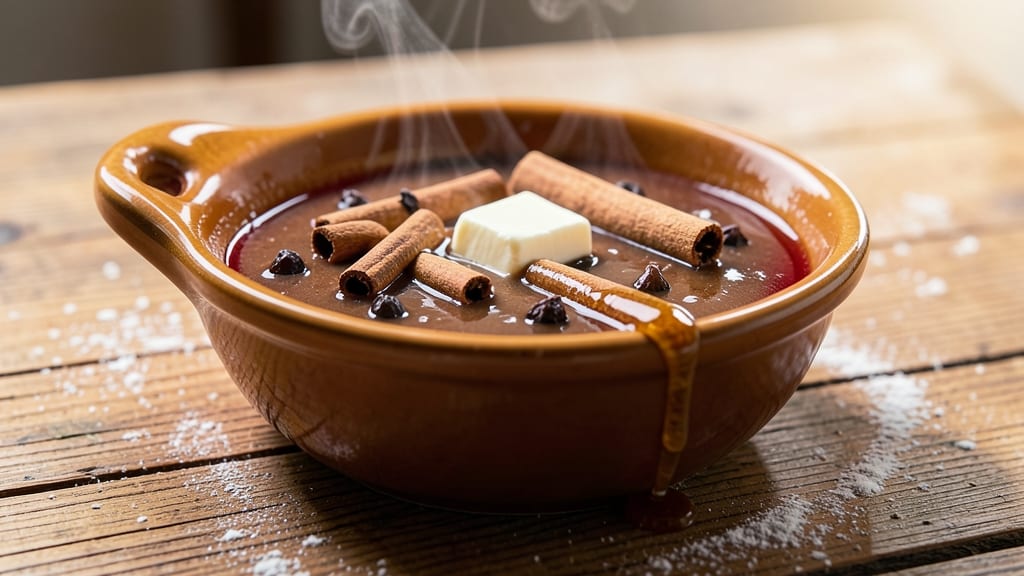
This maple apple cider gravy recipe transforms simple pantry staples into a velvety, aromatic sauce that elevates roasted meats and holiday sides. The perfect balance of maple sweetness and apple cider tang creates depth that lingers on the palate, while a simple cornstarch slurry ensures the ideal thick, spoonable consistency.
I developed this recipe during a chilly autumn weekend when I wanted something richer than store-bought gravy but still effortless to prepare.
The magic happens in the caramelization stage—simmering the cider and maple syrup until it reduces to a glossy, fragrant concentrate. A touch of butter adds richness, while a pinch of cinnamon and cloves deepens the warm, spiced notes that define fall flavors.
The gravy thickens beautifully without overpowering the natural sweetness, making it versatile enough for turkey, pork, or even as a dipping sauce for fresh bread.
What makes this gravy truly special is its ability to transform ordinary meals into something extraordinary. The aromatic steam rising from a hot bowl of mashed potatoes topped with this sauce feels like a hug on a cold day.
It's the kind of recipe that tastes even better the second day, as the flavors meld and intensify—perfect for making ahead and reheating for holiday gatherings.
Ready in just 20 minutes, this gravy requires only a few simple ingredients and one pot, making it ideal for busy cooks who still want restaurant-quality results.
Whether you're serving it alongside roasted chicken or using it to glaze ham, the caramelized depth and warm spices will make every bite memorable. Here's how to make it perfectly every time.
Ingredients for maple apple cider gravy
Eight simple pantry staples create this velvety gravy with autumn's warmest spices and caramelized depth.
| Ingredient | Amount | Notes |
|---|---|---|
| Pure Maple Syrup 🍁 | ½ cup | Grade B for deeper flavor |
| Unsweetened Apple Cider 🍎 | 1 ½ cups | Freshly pressed preferred |
| Unsalted Butter 🧈 | 4 tbsp | Cold, cubed for easy melting |
| Cornstarch 🌾 | 1 tbsp | For smooth thickening |
| Ground Cinnamon 🍃 | ½ tsp | Freshly ground preferred |
| Ground Cloves 🌶️ | ¼ tsp | Whole cloves crushed for warmth |
| Salt 🧂 | ½ tsp | Diamond Crystal preferred |
| Black Pepper 🌶️ | ¼ tsp | Freshly cracked preferred |
| Vegetable Stock 💧 | ½ cup | Low-sodium preferred |
The maple syrup and apple cider are the heart of this gravy—Grade B maple has that deeper, caramelized flavor, while freshly pressed cider adds bright tang. Trader Joe's carries both in bulk, but any local farm stand will have excellent cider. For the spices, Penzeys sells whole cloves that you can crush yourself—way more aromatic than pre-ground. The cornstarch is non-negotiable for that perfect silky texture, but arrowroot powder works too if you prefer a slightly clearer finish. Butter should be cold when you add it—this prevents the gravy from breaking.
No maple syrup? Brown sugar dissolved in water (1/4 cup sugar + 1/4 cup water) mimics the caramelized depth. Short on apple cider? Unsweetened apple juice works in a pinch, though it lacks the same depth. The spices can be adjusted—nutmeg or allspice add complexity if you're feeling adventurous. For a richer finish, stir in 1 tablespoon of heavy cream at the end. And if you're making this ahead, the cornstarch slurry can be pre-mixed in a small container—just add it to the warm gravy at the end to avoid clumping.
This gravy keeps beautifully—3 days in the fridge or 3 months frozen. For freezing, let it cool completely, then store in airtight containers. Reheat gently on the stove, stirring constantly to prevent lumps. A splash of warm water or stock helps restore thickness if it gets too thin. I always make extra—it's perfect for reheating over mashed potatoes or drizzling over roasted vegetables. The flavors actually improve overnight as the spices meld.
Why You'll Love This Recipe
- Five-Ingredient Magic: I swear, this gravy comes together with just a saucepan and a whisk—no fancy gadgets, no stress. That warm cinnamon-butter aroma hits the kitchen the second you melt the butter, and honestly? It’s the kind of recipe that makes you feel like a pro even if you burned toast this morning.
- Fall in One Spoon: Between us, the maple and apple cider combo is ridiculously good—sweet, tangy, and just enough warmth from the cinnamon to make it feel like autumn in a bowl. The cornstarch thickens it perfectly without that chalky aftertaste, so it’s creamy but still light enough to drizzle over everything.
- Weeknight to Holiday: Slather it on roasted chicken, stir it into mashed potatoes, or even drizzle it over pancakes—this gravy plays well with anything. I’ve used it for Thanksgiving leftovers, lazy Sunday breakfasts, and even as a glaze for pork chops. It’s the kind of flexible flavor that makes meal planning effortless.
- Leftovers That Don’t Suck: Make a double batch and store it in the fridge for up to a week—it actually tastes better the next day, if you can believe it. The maple syrup keeps it from drying out, and the butter adds richness without going rancid. Plus, it’s cheaper than store-bought gravy and way more interesting.
Step-by-step instructions for maple apple cider gravy
Here's how to create a rich, aromatic gravy that balances sweet maple notes with warm spice.
Melt Butter and Bloom Spices
In a medium saucepan, melt the 4 tablespoons unsalted butter over medium heat. Once the butter has completely melted and begins to foam, reduce the heat to low. Add the 0.5 teaspoon ground cinnamon, 0.25 teaspoon ground cloves, 0.5 teaspoon salt, and 0.25 teaspoon black pepper, stirring constantly for 30 seconds until fragrant.
The spices will release their essential oils during this blooming process, creating the aromatic foundation for your gravy. If you notice the butter starts to brown too quickly, reduce the heat further to maintain a gentle simmer. This step ensures the spices infuse properly without burning.
Combine Maple Syrup and Apple Cider
Pour in the 0.5 cup pure maple syrup and 1.5 cups unsweetened apple cider, stirring to combine. Increase the heat to medium-high and bring the mixture to a gentle boil. Let it simmer uncovered for 5-7 minutes, stirring occasionally, until the liquid reduces by about one-third and thickens slightly.
You'll notice the mixture darkens slightly as it reduces, developing deeper caramelized notes. The apple cider will bubble vigorously at first, then settle into a steady simmer. This reduction step concentrates the flavors and creates the perfect base for your gravy's rich texture.
Thicken with Cornstarch Slurry
In a small bowl, whisk together the 1 tablespoon cornstarch with 2 tablespoons cold water to create a smooth slurry. Slowly pour this mixture into the saucepan while stirring constantly with a wooden spoon. Return the heat to medium and continue stirring for 2-3 minutes until the gravy thickens to your desired consistency.
The gravy should coat the back of a spoon and hold its shape when drizzled. If it thickens too quickly, add 1 tablespoon vegetable stock at a time until you reach the perfect pourable consistency. The cornstarch acts as a natural thickener, creating that silky texture without altering the flavor profile.
Incorporate Vegetable Stock and Finish
Remove the saucepan from heat and stir in the 0.5 cup vegetable stock. Return to low heat and simmer gently for 1 minute to blend all the flavors together. Taste and adjust seasoning if needed, adding more salt or pepper as necessary. The gravy should balance sweet, spicy, and savory notes perfectly.
For an extra touch of depth, you can strain the gravy through a fine-mesh sieve to remove any clove particles if you prefer a smoother texture. Serve immediately while warm, drizzling generously over roasted meats, mashed potatoes, or fresh bread for the ultimate comfort food experience.
Pro Tips For Making Maple Apple Cider Gravy
- Whisk Butter First: Melt the unsalted butter in a saucepan before adding anything else—this prevents lumps when the cornstarch hits the liquid. I learned this the hard way after scraping burnt bits off my pot for the third time.
- Reduce Cider Slowly: Simmer the apple cider on medium-low heat until it reduces by about half—rushing it turns the gravy thin and watery. Sounds counterintuitive, but patience here makes the flavor sing.
- Toast the Cinnamon: Bloom the ground cinnamon in the butter for 30 seconds before adding liquids—it deepens the aroma and cuts through the sweetness. Skip this, and you’ll just be masking the spices instead of highlighting them.
- Strain for Smoothness: If your gravy looks grainy after thickening, strain it through a fine-mesh sieve into a clean pot. Yes, it’s an extra step, but the texture will be velvety, not chalky—especially if you’re using cheap cornstarch.
Pro cooking tips for this dish
Slurry Secrets
For the smoothest texture, whisk your cornstarch slurry with cold water in a separate bowl before adding it to the pan. I use a small glass measuring cup for this—I find it's easier to whisk than a metal bowl.
The key is to add the slurry slowly while stirring constantly to prevent lumps. If you add it too quickly, the gravy can turn gluey. For extra insurance, I like to temper the cornstarch first by mixing it with 1 tablespoon of the warm gravy before adding the full slurry.
This ensures a silky finish every time. 💫
Reduction Timing
Don't rush the 5-7 minute reduction of the maple and cider—this is where the magic happens. The liquid should reduce by about one-third, so aim for roughly 1 cup of reduced mixture. I test this by eyeballing the volume or using a measuring cup to check.
If it reduces too quickly, lower the heat slightly. The goal is to develop those caramelized notes without burning the spices. A gentle simmer works best—you want to see small bubbles but no vigorous boiling. 🌡️
Spice Blooming
Blooming your spices in the butter for 30 seconds is crucial—this releases their aromatic oils. I like to use a small whisk for this step to ensure even distribution. If you're using whole spices like cloves, crush them slightly with the back of a spoon before adding.
For extra warmth, I sometimes add a pinch of allspice or cardamom along with the cinnamon and cloves. Just be sure to taste as you go—some spices can overpower if used too heavily. The butter should smell rich and spiced before you proceed. 🍃
Butter Temperature
Use cold, cubed butter for the best results—this prevents the gravy from breaking or separating. I cut my butter into small cubes and add them to the pan over medium heat, letting them melt gradually. If you add melted butter directly, the gravy can become too thin.
For an extra-rich finish, I sometimes stir in 1 tablespoon of browned butter at the end for nutty depth. Just be careful not to let it burn during the blooming stage. 🧈
Stock Addition
The vegetable stock at the end serves two purposes: it balances the sweetness and adds depth. I always use low-sodium stock to control the seasoning. If your gravy seems too thick after adding the stock, you can thin it with a splash of warm water or more stock.
For a richer version, I sometimes replace half the stock with chicken stock when serving with poultry. Taste as you go—seasoning can be adjusted at this final step. 💡
Reheating Tips
Reheating gravy can be tricky—it often thickens too much when cold. To fix this, stir in 1 tablespoon of warm water or stock per ½ cup of gravy while reheating. I like to transfer it to a small saucepan and heat over low heat, stirring constantly.
If it gets too thin, you can thicken it again with a cornstarch slurry—just whisk in ½ teaspoon cornstarch with 1 teaspoon water** and stir until smooth. The gravy should be warm and pourable before serving. 🔥
Nutrition facts
Frequently asked questions
Can I make this gravy without cornstarch?
Yes! For a gluten-free option, use 1 tablespoon arrowroot powder mixed with 2 tablespoons water instead. For a dairy-free version, substitute the butter with 4 tablespoons olive oil and reduce the stock by 2 tablespoons to maintain balance. The texture will be slightly lighter but still delicious.
How do I adjust the sweetness if I prefer less maple flavor?
Reduce the maple syrup to 0.25 cup and add 0.25 cup extra apple cider to maintain liquid balance. For deeper savory notes, stir in 1 teaspoon soy sauce or ½ teaspoon smoked paprika at the end. Taste as you go—you can always add more spices but can't remove sweetness once added.
What's the best way to store leftover gravy?
Store in an airtight container in the fridge for up to 3 days or freeze for 3 months. To reheat, warm over low heat while stirring constantly. If it thickens too much, whisk in 1 tablespoon warm water or stock per ½ cup gravy until smooth. The flavors actually improve overnight!
Can I use this gravy for dishes other than meats?
This gravy pairs beautifully with mashed potatoes, roasted vegetables, or even as a dipping sauce for biscuits or cornbread. For vegetarian options, try drizzling it over stuffed acorn squash or grilled portobello mushrooms. The warm spices make it perfect for fall and winter dishes.
Why did my gravy turn out too thin?
This usually happens when the cornstarch slurry wasn't added properly or the heat was too high during thickening. Next time, whisk the slurry vigorously before adding and keep the heat at medium-low while stirring constantly. If it's still too thin, mix ½ teaspoon more cornstarch with 1 teaspoon water and stir until thickened.