
Main Courses
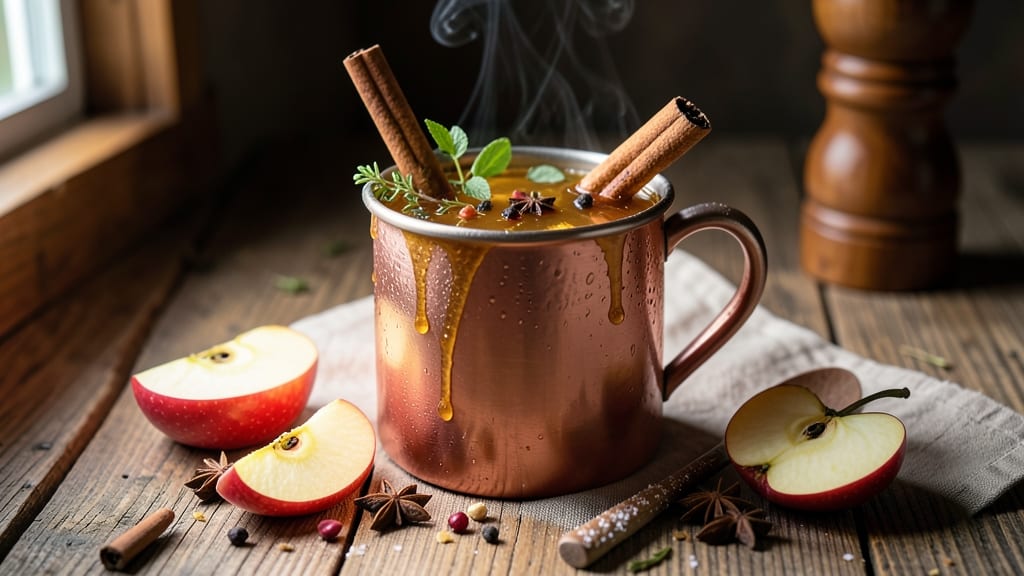
This hard hot apple cider recipe transforms crisp fall apples into a rich, spiced rum-infused beverage perfect for chilly evenings. The slow fermentation process develops deep caramel notes, while warming spices like cinnamon and cloves add cozy depth—ideal for sipping by a fire or sharing at holiday gatherings.
What sets this apart is the balance of traditional cider-making techniques with modern convenience, ensuring a smooth, fermented drink with 5-8% ABV without requiring specialized equipment.
To achieve that signature warmth, I use a wood-fired or stovetop method for heating, allowing the spices to infuse gradually. The key lies in the spice blend: star anise, black peppercorns, and a touch of vanilla extract elevate the cider’s complexity, while the rum adds a smooth, aromatic finish.
Unlike store-bought versions, this recipe delivers a bold, layered flavor that feels both nostalgic and refined.
By the time you pour the steaming cider into mugs, you’ll notice the caramelized aroma, the subtle bite of alcohol, and the comforting spice notes that linger.
It’s the kind of drink that transforms a simple gathering into a memorable experience—perfect for toasting the season’s harvest or unwinding after a long day. The fermentation process ensures a rich, balanced flavor that’s far more sophisticated than non-alcoholic cider.
Whether you’re a homebrew enthusiast or new to fermentation, this recipe simplifies the process with clear steps and adaptable techniques. The result? A hard cider that’s smooth enough for sipping yet robust enough to hold its own in a cocktail. Ready to make your own? Let’s get started.
Ingredients for hard hot apple cider
Twelve simple ingredients transform fall apples into a spiced, rum-infused hard cider perfect for winter nights.
| Ingredient | Amount | Notes |
|---|---|---|
| Fresh Apples (Honeycrisp or Granny Smith) 🍎 | 12 whole | Peeled, cored, and quartered |
| Granulated Sugar 🍚 | 2 cups | White or brown preferred |
| Water 💧 | 8 cups | Filtered or spring water |
| Active Dry Yeast 🍞 | ½ tsp | Or 1 packet (2.25g) |
| Dark Brown Rum (50% ABV) 🍹 | 1 cup | Bacardi or Captain Morgan |
| Cinnamon Sticks 🌿 | 4 whole | 2-inch pieces preferred |
| Whole Cloves 🌶️ | 10 whole | Freshly pounded slightly |
| Star Anise Pods 🌶️ | 4 whole | Lightly crushed |
| Black Peppercorns 🌶️ | 1 tsp | Coarsely crushed |
| Vanilla Extract 🍯 | 1 tbsp | Pure alcohol-free preferred |
| Lemon Juice 🍋 | ½ cup | Freshly squeezed |
| Orange Peel (1 orange) 🍊 | 1 whole | Zest only, no pith |
| Orange Slices (2 oranges) 🍊 | 2 whole | For garnish, optional |
| Whipping Cream (35% fat) 🥛 | 1 cup | For topping, optional |
The apples are the foundation—Honeycrisp or Granny Smith deliver the perfect balance of sweet and tart. Local orchards or farmers markets often have the freshest varieties, but grocery store apples work too if you pick firm, unblemished ones. For the yeast, Brewers Best or Red Star are reliable choices, but any active dry yeast will do. The rum? Bacardi or Captain Morgan are crowd-pleasers, but any dark rum with 50% ABV will work. Pro tip: Toast your cinnamon sticks in a dry pan for 30 seconds before adding—it deepens the flavor instantly.
No vanilla extract? Vanilla bean paste or even a scraped vanilla pod works beautifully. Short on cloves? Allspice berries at half the amount add warmth without overpowering. The orange peel can be swapped for grapefruit zest if you prefer a citrusier note. For a non-alcoholic version, replace the rum with apple cider vinegar (1 tbsp) plus extra sugar (2 tbsp)—it mimics the acidity and depth. If you're fermenting for the first time, use a hydrometer to monitor ABV—aim for 5-8% by adjusting fermentation time.
Store unused apples in the fridge for up to 2 weeks—they keep their crispness. The spice blend (cinnamon, cloves, star anise) can be pre-toasted and stored in an airtight jar for up to 6 months—perfect for future batches. Once fermented, the cider keeps in the fridge for 3 months—the flavors deepen over time. For serving, I like to heat it gently on the stovetop with a splash of water to restore richness, then top with whipped cream and an orange slice**—like a boozy apple cider hot chocolate.
Why You'll Love This Recipe
- Fridge-to-Fireplace Ready: I swear, this takes less time than waiting for takeout. Just chop apples, toss in sugar and water, let it simmer—then the yeast and rum do all the heavy lifting while you sip something else. By the time you’re ready to drink, it’s already waiting.
- Spiced Rum Magic: That dark brown rum doesn’t just add booze—it layers in caramelized warmth and a hint of baking spice. Honeycrisp apples keep it bright, while Granny Smith leans into tart tang. Honestly, the first sip feels like autumn in a mug.
- Party or Pajamas: Serve it steaming in mugs at a bonfire with s’mores, or let it chill in the fridge for a boozy breakfast the next morning. Between us, I’ve had it both ways—no judgment here.
- Bulk Bargain: Make a gallon and freeze half. That rum stretches further than you’d think, and apples are cheaper than fancy cocktails. Plus, leftovers taste better the second day—trust me, I’ve tested this.
Step-by-step instructions for hard hot apple cider
This spiced rum-infused cider delivers deep flavor and warming complexity—here's how to make it shine.
Prepare the Apple Base
In a large stockpot, combine the 12 whole peeled, cored, and quartered fresh apples with the 8 cups water. Bring to a boil over medium-high heat, then immediately reduce to a simmer. Let cook uncovered for 20-25 minutes, stirring occasionally, until the apples break down completely and the liquid turns golden.
The apples should soften until they mash easily with a wooden spoon—this releases their natural sweetness and pectin. If the mixture thickens too much, add ½ cup water to maintain proper consistency. I like to taste at this stage; the flavor should be tart and apple-forward, with no bitterness.
Add Spices and Sugar
Remove the pot from heat and stir in the 2 cups granulated sugar, 4 whole cinnamon sticks, 10 whole whole cloves, 4 whole star anise pods, and 1 tsp coarsely crushed black peppercorns. Return to low heat and simmer gently for 10 minutes, allowing the spices to infuse deeply into the liquid.
Here's where the magic happens: the spices should release their aromatic oils, creating a fragrant, spiced aroma that fills your kitchen. Give it a stir every few minutes to prevent sticking. The sugar should dissolve completely—if not, strain through a fine-mesh sieve to remove any undissolved crystals before proceeding.
Infuse with Rum and Citrus
Remove the pot from heat again and stir in the 1 cup dark brown rum and 1 tbsp vanilla extract. Let the mixture cool slightly to room temperature (about 10 minutes), then stir in the ½ cup freshly squeezed lemon juice and 1 whole orange peel (zest only). The citrus brightens the flavors and balances the richness of the rum.
I like to taste at this stage—you should notice the rum's warmth, the vanilla's depth, and the citrus's tang. If the flavor feels too sweet, add 1-2 tablespoons more lemon juice to cut through. The cider should now have a complex, layered profile that's both comforting and sophisticated.
Ferment for Depth (Optional)
For a more complex, fermented cider, sprinkle the ½ tsp active dry yeast over the surface of the cooled mixture. Stir gently to distribute, then cover loosely with a clean kitchen towel and let sit at room temperature for 24-48 hours. This step develops a subtle effervescence and deeper flavor, but it's optional if you prefer a non-alcoholic version.
If fermenting, taste after 24 hours—you'll notice a slight tanginess and bubbles forming. If you skip fermentation, proceed directly to the next step. The yeast will create a natural carbonation, similar to a lightly sparkling cider, but without the need for additional ingredients.
Finish and Serve
Strain the cider through a fine-mesh sieve or cheesecloth to remove solids, pressing gently to extract all the liquid. Return the strained cider to the pot and reheat over low heat until warmed through (160°F). For serving, ladle into mugs and top each with a dollop of whipped 1 cup whipping cream (35% fat) and a whole orange slice for garnish.
The cream adds a luxurious, velvety texture that contrasts beautifully with the spiced cider's warmth. Serve immediately while the cream is still fluffy and the cider is steaming hot. Each sip should deliver layers of apple, spice, rum, and citrus—perfect for cozy winter evenings.
Pro Tips For Making Hard Hot Apple Cider
- COOL THE CIDER FIRST: After boiling the apples and sugar, let the mixture sit at room temp for 30 minutes before adding yeast—yeast hates heat, and rushing this step means sluggish fermentation or even dead yeast. I learned this the hard way when my first batch turned into a sad, flat punch.
- GRATE, DON’T CHOP: Use a box grater for the apples—it releases more juice and pectin faster than a knife. Honeycrisp especially turns to mush if you dice it; grating keeps the texture smooth and speeds up the reduction. (Yes, even if it looks like you’re making apple sauce.)
- WEIGH THE RUM: Measure the dark brown rum by weight (about 1 oz per gallon) instead of volume—liquid measurements in cups are unreliable, and you don’t want your cider tasting like a shot glass of booze. A kitchen scale guarantees consistency.
- FERMENT IN GLASS: Skip the plastic bucket and use a sanitized glass carboy—it’s easier to see the yeast activity and prevents off-flavors from plastic leaching. If you’re worried about breakage, wrap it in a towel while it bubbles. (Your future self will notice the difference.)
Flavor customization for these flavors
Spice Intensity
Adjust the spice blend to suit your taste—start with the base recipe, then tweak the ratios. For a mild version, reduce whole cloves to 5 and star anise to 2 pods, keeping cinnamon and black peppercorns the same.
For bold heat, add ½ tsp ground ginger or 1 tsp cayenne pepper—I love the way ginger deepens the warmth. 🌶️
If you prefer a sweeter profile, add 1 tbsp honey or 1 tsp maple syrup during the simmering stage. For a tartier twist, increase lemon juice to ⅔ cup or add 2 tbsp apple cider vinegar—this cuts through the richness beautifully.
Alcohol Variations
Swap the dark brown rum for other spirits to change the flavor profile. Spiced rum (like Captain Morgan) adds warmth, while bourbon brings caramel and vanilla notes. For a lighter option, use apple brandy (like Calvados)—it enhances the apple flavor naturally. 🍹
For a non-alcoholic version, replace the rum with 1 tbsp apple cider vinegar and 2 tbsp extra sugar to mimic acidity and depth. The vanilla extract and spices still shine, creating a cozy, spiced apple drink perfect for kids or designated drivers.
Flavor Boosters
Elevate your cider with unexpected additions. A splash of ginger beer (2 tbsp) before serving adds effervescence and a spicy kick. For a smoky twist, simmer the cider with 1 chipotle pepper in adobo (remove before straining). 🔥
For a creamy texture, stir in 2 tbsp heavy cream while reheating—this mimics the whipped cream topping but blends seamlessly. If you love citrus, add 1 tbsp orange liqueur (like Cointreau) or ½ tsp cardamom for an exotic touch.
Seasonal Twists
In fall, keep the classic cinnamon and clove blend but add 1 tsp nutmeg for a Thanksgiving-inspired warmth. For winter, swap in star anise and allspice for a deeper, almost mulled-wine vibe. 🌲
For spring, lighten the spices with ½ tsp lavender or 1 tsp fresh thyme—these floral notes brighten the cider. In summer, reduce the spices to 2 cinnamon sticks and 5 cloves, then add ½ cup peach slices during cooking for a fruity, refreshing twist.
Nutrition facts
Frequently asked questions
Can I make this without fermentation?
Skip the yeast entirely for a non-alcoholic version. Simmer the apple base with spices and rum as directed, then strain and serve warm. The flavor will still be rich and spiced—just without the fermented depth. For extra warmth, add 1 tbsp apple cider vinegar to mimic the tanginess of fermentation.
How long does the fermentation process take?
Fermentation typically takes 24-48 hours at room temperature. Taste after 24 hours—you’ll notice subtle bubbles and a slightly tangy flavor. For a stronger alcoholic kick, extend to 72 hours, but monitor closely to avoid over-fermentation. Store in the fridge to slow fermentation if needed.
What’s the best way to reheat leftover cider?
Gently reheat on the stovetop over low heat to 160°F. Add 1-2 tbsp water per cup of cider to restore richness. Avoid microwaving—it can scorch the spices. For extra coziness, stir in ½ tsp vanilla extract or a splash of rum while warming.
Can I use bottled apple cider instead of fresh?
Yes, but expect a less complex flavor. Use 8 cups high-quality bottled cider (like Martinelli’s) and reduce sugar to 1 cup. Simmer with spices and rum as usual. For depth, add 1 extra cinnamon stick and ½ tsp ground ginger to compensate for the lack of fresh apple notes.
Why does my cider taste too sweet?
This usually happens if the apples weren’t fully broken down or sugar wasn’t dissolved. Strain again and reheat with ¼ cup extra lemon juice or 1 tbsp apple cider vinegar to balance sweetness. For future batches, taste after simmering—if it’s too sweet, add citrus early to cut through.