
Sauces & Condiments
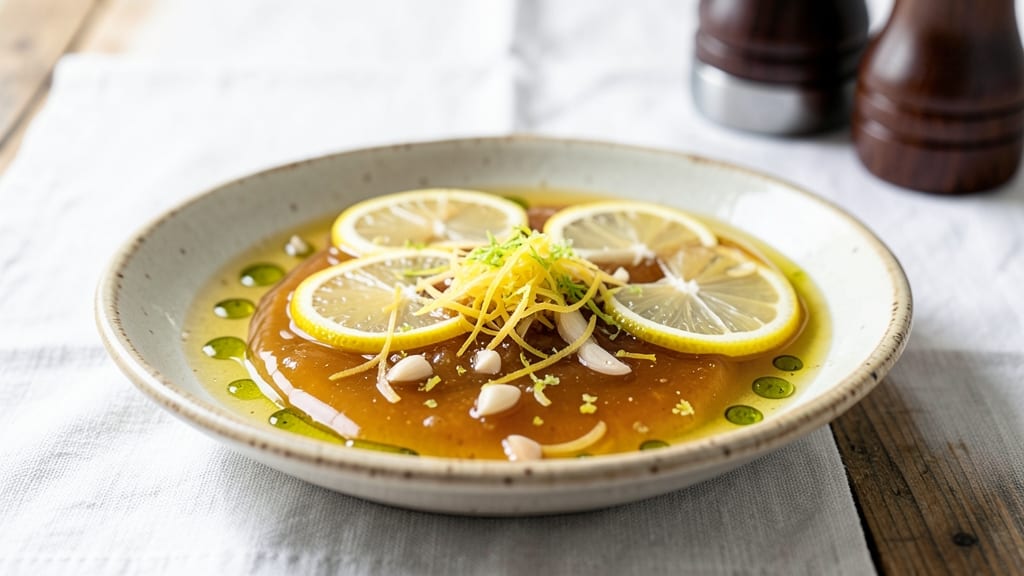
This ginger garlic lemon honey apple cider glaze transforms simple proteins into restaurant-quality masterpieces with just a few minutes of effort. The perfect balance of sweet, tangy, and spicy flavors caramelizes beautifully on grilled chicken, pork, or even roasted vegetables, creating a glossy finish that'll have everyone asking for seconds.
I developed this recipe after years of testing marinades and glazes, and it's now my go-to for adding depth and complexity to any dish.
The magic happens in the ratio—equal parts honey and apple cider provide the sweet base, while fresh ginger and garlic add warmth and aroma. A splash of lemon juice brightens the flavor, ensuring it doesn’t become too heavy.
The glaze isn’t just for meat; it’s equally delicious drizzled over pancakes, dripped on ice cream, or even mixed into cocktails for a zesty twist. What makes this recipe stand out is its versatility—it works as a marinade, a glaze, or even a salad dressing.
What you’ll end up with is a rich, caramelized glaze that’s sticky, aromatic, and packed with layers of flavor. The ginger and garlic infuse the honey and apple cider with their signature warmth, while the lemon keeps everything balanced.
This isn’t just a sauce—it’s a flavor enhancer that elevates any dish it touches. The best part? It takes less than 10 minutes to make and keeps well in the fridge for up to two weeks, so you can always have it on hand for last-minute meals.
Whether you’re grilling a rack of ribs, roasting a whole chicken, or simply looking for a way to add excitement to your weeknight dinners, this glaze delivers.
It’s the kind of recipe that makes cooking feel like a creative adventure—simple enough for beginners but sophisticated enough to impress even the most discerning palates. Let’s get started!
Ingredients for ginger garlic lemon honey apple cider
Sweet, tangy, and aromatic—this glaze transforms everything it touches in minutes.
| Ingredient | Amount | Notes |
|---|---|---|
| Honey 🍯 | ½ cup | Raw or wildflower preferred |
| Apple Cider 🍎 | ½ cup | Unfiltered for best flavor |
| Fresh Ginger 🌿 | ¼ cup | Finely grated, skin on |
| Garlic Cloves 🧄 | 4 cloves | Minced, not pre-minced jar |
| Fresh Lemon Juice 🍋 | ¼ cup | From 2-3 lemons, freshly squeezed |
| Olive Oil 🫒 | 1 tbsp | Extra-virgin for richness |
| Salt 🧂 | ½ tsp | Diamond Crystal preferred |
| Black Pepper 🌶️ | ¼ tsp | Freshly cracked for heat |
The honey and apple cider are your flavor anchors here. Local honey adds subtle floral notes, while unfiltered apple cider from a Trader Joe's or Whole Foods bulk bin gives you that authentic ciderhouse taste. Fresh ginger is non-negotiable—organic ginger from the produce section (not the jarred kind) has the most punch. I always grab a 4-ounce root and grate what I need, saving the rest for smoothies. The garlic should be fresh too—pre-minced jarred garlic has a metallic aftertaste that ruins the glaze. For the lemon, Meyer lemons if you can find them—they're sweeter and more aromatic than regular lemons.
No fresh ginger? Powdered ginger at half the amount works in a pinch, but it lacks that bright, zesty kick. Short on apple cider? Unsweetened apple juice is fine, though it won't caramelize as beautifully. The olive oil might seem like an afterthought, but it's what helps the glaze cling to meat and vegetables—use the good stuff. For extra depth, add a dash of smoked paprika or a pinch of cayenne if you like heat. The salt and pepper are simple but essential—Diamond Crystal kosher salt
This glaze keeps beautifully in the fridge for up to 2 weeks, though it gets even better after a day or two as the flavors meld. For longer storage, freeze portions in ice cube trays—just thaw and reheat gently. It reheats best in a small saucepan over low heat, stirring occasionally. A splash of water or apple cider helps loosen it up. Leftovers? Drizzle over grilled fish, roasted carrots, or even ice cream—trust me, it's amazing.
Why You'll Love This Recipe
- Five-Ingredient Magic: I swear by this combo—just honey, cider, ginger, garlic, and lemon. That’s it. No fancy gadgets, no measuring cups with tiny lines you can’t read. Honestly, I’ve made it while waiting for dinner to cook, and it still tastes like I slaved over it.
- Bright & Spicy Kick: The fresh ginger and garlic sizzle just enough to wake up your taste buds, while the honey and lemon keep it from being too sharp. Between us, it’s the kind of drink that makes you go, “Wait, why haven’t I done this before?”—especially when you’re sick of sweet tea or plain lemonade.
- Weeknight & Weekend Alike: Pour it over ice for a quick sipper when you’re too tired to cook, or warm it up for a cozy night in. I’ve even drizzled it over grilled chicken or used it as a marinade—works every time. (Yes, even on a Tuesday night.)
- Pantry Staple Power: No last-minute grocery runs needed. Apple cider’s cheap, honey lasts forever, and ginger/garlic grow back if you plant cloves. Plus, leftovers? Just refrigerate and reuse for days. I’ve had a batch last me two weeks—because once you make it, you’ll want it again.
Step-by-step instructions for creating a perfect ginger garlic lemon honey glaze
This vibrant glaze brings together sweet, tangy, and spicy flavors that caramelize beautifully on meat.
Prepare the Fresh Aromatics
Start by finely grating the 0.25 cup fresh ginger, including the skin, using a microplane or fine grater. The texture should be smooth with no visible chunks—this ensures even distribution in the glaze. Next, mince the 4 cloves garlic cloves using a sharp knife or garlic press. Freshly minced garlic releases more flavor than jarred minced garlic, so take your time here.
Freshly squeeze the 0.25 cup fresh lemon juice from 2-3 lemons. The juice should be bright yellow and free of pulp or seeds. I like to strain it through a fine-mesh sieve if needed—this keeps the glaze smooth and prevents any bitterness from the seeds.
Combine Wet Ingredients
In a medium saucepan, combine the 0.5 cup honey and 0.5 cup apple cider. Stir over medium-low heat until the honey begins to soften and the mixture reaches a gentle simmer. This usually takes about 3-4 minutes. The apple cider adds depth and a subtle tartness that balances the sweetness of the honey.
Once simmering, add the freshly grated ginger and minced garlic. Stir constantly for 2-3 minutes until the mixture becomes fragrant and slightly thickened. You'll notice the aroma fill your kitchen—this is your cue that the flavors are melding together beautifully. The ginger will infuse the mixture with its warm, spicy notes while the garlic adds a savory punch.
Add Lemon and Seasonings
Pour in the 0.25 cup fresh lemon juice and stir well. The mixture will bubble slightly as the acidity reacts with the honey and apple cider. Add the 1 tablespoon olive oil, 0.5 teaspoon salt, and 0.25 teaspoon black pepper, then continue stirring for another 1-2 minutes. The olive oil helps emulsify the glaze, giving it a silky texture that clings beautifully to meat.
Taste the mixture and adjust the seasoning if needed. I usually add a touch more salt or a splash of lemon juice to strike the perfect balance between sweet, tangy, and spicy. The glaze should be vibrant, aromatic, and ready to caramelize.
Simmer and Thicken
Reduce the heat to low and let the glaze simmer gently for 5-7 minutes, stirring occasionally. You're looking for the mixture to thicken slightly and develop a glossy sheen. The glaze should coat the back of a spoon smoothly—this indicates it's ready to use. If it thickens too much, you can thin it with a splash of warm water or apple cider.
For the best results, use the glaze immediately on grilled chicken, pork chops, or even roasted vegetables. The heat from cooking will cause the glaze to caramelize beautifully, creating a sticky, flavorful crust that locks in moisture and adds depth to your dish.
Pro Tips For Making Ginger Garlic Lemon Honey Apple Cider
- STEAM THE GINGER FIRST: Peel and slice the ginger, then drop it into a pot of boiling water for 30 seconds before draining. This softens the fibers so they blend smoothly—no gritty chunks in your final drink. (I used to just chop it raw and wondered why my cider always tasted like I’d swallowed a handful of sandpaper.)
- SIMMER LOW AND SLOW: Reduce the heat to a bare simmer once everything’s combined. Boiling burns off the delicate lemon and garlic flavors faster than you’d think. A gentle bubble keeps the honey from turning bitter and the apple cider’s depth intact. (Yes, it’ll take 15 minutes instead of 10, but the difference is noticeable.)
- USE PEEL-ON LEMON JUICE: Roll the lemon on the counter before cutting to release more juice, then use the peel in a fine strainer to catch oils and bits. The extra flavor and color make a real difference—skip this, and your drink will taste like it’s missing something. (Your future self will notice.)
- GARLIC: MINCE, DON’T CHOP: A garlic press gives you paste, which turns to mush and clouds the drink. Instead, smash the cloves with the flat side of your knife, then finely mince with the blade’s edge. This keeps the texture clean and the flavor bright. (I learned this the hard way after one too many clumpy batches.)
Flavor customization for this dish
Sweetness Adjustments
Want to balance the sweetness? Swap ½ cup honey for ¼ cup maple syrup and ¼ cup agave nectar—this adds depth while reducing sugar content. For a richer caramelization, replace apple cider with ½ cup unsweetened cranberry juice (it adds tartness and a deep red hue).
If you prefer a lighter glaze, reduce honey to ¼ cup and add ¼ cup coconut aminos for umami balance. 🍯
Spice Variations
For heat lovers, add ½ teaspoon cayenne pepper or 1 tablespoon sriracha to the simmering glaze. I’ve also found that ½ teaspoon ground cinnamon or ¼ teaspoon ground cloves adds warmth without overpowering.
For a smoky twist, stir in ½ teaspoon smoked paprika during the final simmer—it pairs perfectly with grilled meats.
Tangy Twists
Boost the acidity by adding 1 tablespoon balsamic vinegar or 1 teaspoon apple cider vinegar for a tangy kick. For a tropical vibe, replace lemon juice with ¼ cup lime juice and add 1 teaspoon grated lime zest.
If you love bright flavors, try 1 tablespoon fresh orange juice—it adds a citrusy complexity that works beautifully with pork or seafood.
Herb Infusions
Fresh herbs elevate this glaze instantly. Add 1 tablespoon chopped fresh thyme or rosemary during the final simmer for an earthy aroma. For a brighter note, stir in 1 tablespoon chopped cilantro or mint right before using.
I also love adding 1 tablespoon chopped basil for a fresh, Italian-inspired twist—it’s perfect for drizzling over grilled vegetables.
Umami Boosters
For deeper flavor, stir in 1 tablespoon soy sauce or 1 teaspoon fish sauce during the final simmer. A splash of 1 tablespoon Worcestershire sauce adds richness without overpowering.
For a vegetarian option, add 1 teaspoon miso paste—it enhances the glaze’s savory depth while keeping it balanced. These additions work especially well with tofu or mushrooms.
Seasonal Swaps
In fall, use ½ cup pumpkin puree instead of apple cider for a spiced glaze—add ½ teaspoon pumpkin pie spice for warmth. For summer, replace ginger with ½ teaspoon turmeric and 1 teaspoon grated orange zest for a vibrant, citrusy glaze.
Winter calls for ½ cup pomegranate juice and ½ teaspoon cardamom—it’s rich, fruity, and perfect for holiday roasts. 🌿
Nutrition facts
Frequently asked questions
Can I use this glaze as a marinade instead of a finishing sauce?
This glaze works beautifully as a marinade for chicken, pork, or tofu. Let your protein soak for 30 minutes to 2 hours in the fridge before cooking. The acidity from the lemon and apple cider helps tenderize while infusing maximum flavor. Just pat dry before grilling or searing to ensure proper caramelization.
What's the best way to store leftovers?
Store in an airtight container in the fridge for up to 2 weeks. For longer storage, freeze in ice cube trays—thaw overnight in the fridge and reheat gently in a saucepan with a splash of water. The glaze thickens when cold, so stir well before using. If it crystallizes, warm it over low heat for 1-2 minutes.
Can I make this glaze without honey?
Yes! Substitute honey with agave nectar or maple syrup for a similar texture, though the flavor will be slightly less rich. For a sugar-free option, use monk fruit sweetener (reduce by half) or unsweetened applesauce (¼ cup). The glaze will be lighter but still delicious—great for drizzling over grilled fish or roasted veggies.
Why did my glaze turn grainy when I reheated it?
This happens when honey crystallizes from cooling too quickly. To fix it, warm the glaze over low heat while stirring constantly—it should smooth out in 2-3 minutes. To prevent it next time, store the glaze in a sealed container and reheat gently. If it's still grainy, thin it with 1 teaspoon warm water or apple cider while heating.
How can I use this glaze beyond meat?
This versatile glaze works on grilled vegetables (brush on zucchini or eggplant), pancakes or waffles (drizzle with a pinch of cinnamon), or even cocktails (add 1 tbsp to a whiskey sour). For desserts, drizzle over ice cream, cheesecake, or toasted nuts. The key is balance—use it sparingly on sweet dishes to avoid overpowering.