
Sauces & Condiments
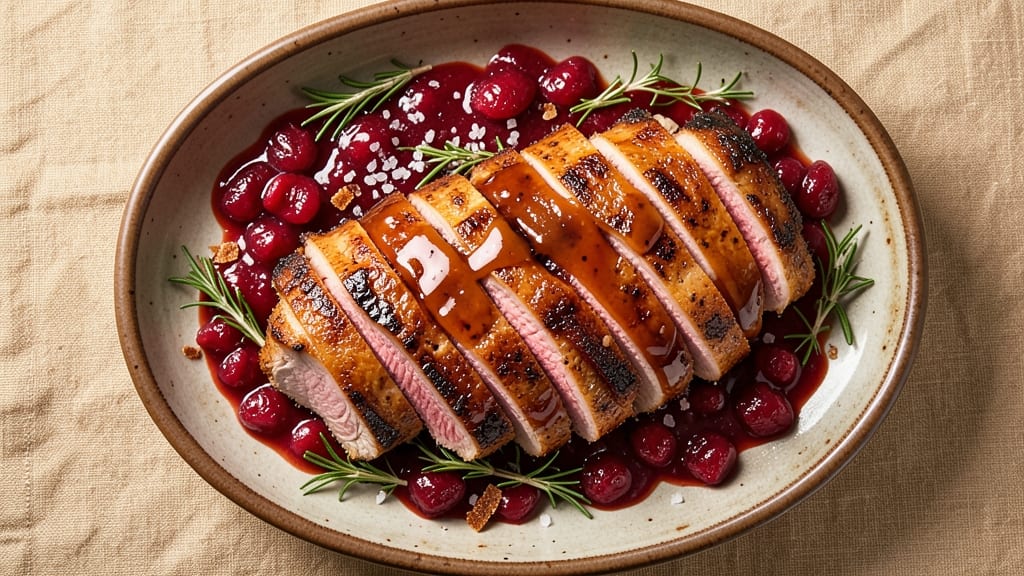
This Cranberry Dijon pork roast transforms simple pork into a showstopper with a caramelized apple cider glaze that balances sweet, tangy, and savory notes.
Growing up in Georgia, I learned how pork roasts become the centerpiece of any meal when elevated with the right sauce—this one delivers restaurant-quality results at home. The Dijon mustard adds depth, while cranberries bring bright acidity that cuts through the richness.
The secret lies in the glaze: simmering apple cider with Dijon, cranberry sauce, and a touch of brown sugar until it thickens into a glossy, caramelized sauce. I baste the roast throughout cooking, ensuring every bite gets that sticky-sweet coating.
This method guarantees tender, juicy pork with a crispy exterior that holds up beautifully when sliced for serving.
What makes this dish special is how the flavors develop—starting with a simple salt-and-pepper crust on the pork, then building layers of complexity through slow roasting and basting.
The glaze isn't just sweet; it's tangy from the Dijon and bright from the cranberries, creating a perfect balance that pairs wonderfully with roasted root vegetables or a simple green salad.
Perfect for holiday gatherings or a cozy weeknight dinner, this roast serves eight with ease. The glaze can be made ahead, so you spend less time cooking and more time enjoying the meal. Trust me, once you try this, your pork roasts will never be the same again.
Ingredients for cranberry dijon pork roast with apple cider glaze
Sweet, tangy, and savory—these ingredients make the perfect holiday centerpiece.
| Ingredient | Amount | Notes |
|---|---|---|
| Boneless Pork Loin Roast 🐖 | 4 lb | Center-cut for even cooking |
| Apple Cider 🍎 | 1 ½ cups | Unfiltered for best flavor |
| Dijon Mustard 🧄 | 2 tbsp | High-quality, smooth variety |
| Cranberry Sauce 🍒 | 1 cup | Homemade or high-quality jarred |
| Brown Sugar 🍚 | ¼ cup | Light or dark preferred |
| Balsamic Vinegar 🍷 | 1 tbsp | For depth of flavor |
| Fresh Rosemary 🌿 | 1 tbsp | Chopped, stems removed |
| Fresh Thyme 🌿 | 1 tbsp | Leaves only, chopped |
| Kosher Salt 🧂 | 1 ½ tsp | For seasoning pork |
| Freshly Ground Black Pepper 🌶️ | 1 tsp | For seasoning pork |
| Olive Oil 🫒 | 2 tbsp | For pork crust |
| Garlic Cloves 🧄 | 4 cloves | Minced for glaze |
| Honey 🍯 | 1 tbsp | For glaze sweetness |
The pork loin is the star here, and center-cut makes all the difference—it stays juicy and tender. I always grab mine from Costco or my local butcher shop, where they can trim it for me. Look for good marbling, but not too much fat. The apple cider should be unfiltered for that deep, rich flavor—Mott's or Woodchuck are my go-tos. Fresh herbs are worth the splurge: Whole Foods or even the grocery store's produce section usually has good rosemary and thyme. If you can't find fresh, dried works at half the amount, but trust me on the fresh stuff.
No Dijon mustard? Whole-grain mustard plus a pinch of sugar gets you close. Cranberry sauce can be homemade (simmer fresh cranberries with sugar and orange zest) or a quality jarred brand like Great Value. The balsamic vinegar adds that tangy depth—Giovanni Rossi is my go-to if you want to splurge. For the glaze, honey is non-negotiable—it caramelizes beautifully. No honey? Maple syrup works too. And if you're out of fresh herbs, dried oregano at half the amount will save the day. The garlic can be pre-minced from a jar, but fresh is always better if you've got it.
This roast reheats beautifully—just warm it in the oven with a splash of apple cider. The glaze keeps for 1 week in the fridge, so make extra for sandwiches or drizzling over pancakes. Store leftovers in an airtight container, and the pork stays juicy for 3-4 days. For holiday prep, I make the glaze a day ahead—it just gets better as the flavors meld. Freeze any extra glaze in ice cube trays for quick portions later.
Why You'll Love This Recipe
- Fewer Messy Steps: The pork roast just needs a quick rub of Dijon, brown sugar, and rosemary—no fancy marinating or chopping. I swear, the glaze comes together in one pan while the meat roasts, so you’re not stuck stirring pots for hours.
- Tangy-Sweet Magic: That apple cider glaze? It’s where the real charm happens—bright cranberries cut through the richness, while the Dijon adds a sharp, umami kick. Honestly, it’s the kind of flavor that makes you want to eat it straight from the pan.
- Weeknight or Holiday: Serve it sliced over mashed potatoes for a cozy Tuesday dinner, or carve it at Thanksgiving and watch everyone reach for seconds. Between us, it’s the one dish that feels special without needing a full brunch spread.
- Leftovers That Don’t Suck: Cold slices reheat beautifully in a skillet with a splash of apple cider, and the glaze? Even better the next day. I’ve packed this for lunches, served it at potlucks, and still had enough for breakfast sandwiches—no waste, all win.
Step-by-step instructions for cranberry Dijon pork roast
Here's how to create a showstopping roast with a perfect glaze every time.
Season and Sear the Pork Loin
Start by preheating your oven to 375°F. Pat the 4 lb boneless pork loin roast completely dry with paper towels—this ensures a crispy crust. In a small bowl, mix together 1.5 tsp kosher salt, 1 tsp freshly ground black pepper, 1 tbsp chopped fresh rosemary, and 1 tbsp chopped fresh thyme.
Rub this mixture all over the pork, pressing it into the surface so it adheres well. Let it sit at room temperature for 30 minutes while you prepare the sear. Heat 2 tbsp olive oil in a large oven-safe skillet over medium-high heat until shimmering. Place the pork in the skillet and sear for 4-5 minutes per side until golden brown all over. This step builds flavor and creates a beautiful crust.
Roast Until Internal Temperature Reaches 140°F
Transfer the skillet to the preheated oven and roast for 30-35 minutes or until the internal temperature reaches 140°F when measured with a meat thermometer. The pork should still feel slightly firm to the touch—it will continue cooking as it rests. This initial roast ensures the meat is cooked through but not overdone.
Here's where it gets smart: remove the pork from the oven and let it rest on a cutting board for 15 minutes. This resting period is crucial—it allows the juices to redistribute throughout the meat, preventing dryness. While it rests, prepare your glaze in the same skillet you used for searing.
Prepare the Apple Cider Glaze
In the same skillet (no need to clean it—the browned bits add flavor), combine 1.5 cups apple cider, 2 tbsp Dijon mustard, 1 cup cranberry sauce, 0.25 cup brown sugar, 1 tbsp balsamic vinegar, 1 tbsp honey, and 4 minced garlic cloves. Bring the mixture to a simmer over medium heat, stirring occasionally.
Simmer for 8-10 minutes until the glaze thickens slightly and reduces by about one-third. You'll notice the aroma becomes rich and complex—this is where the magic happens. The glaze should coat the back of a spoon and have a syrupy consistency. Taste and adjust seasoning if needed, adding more salt or sugar to balance the sweet-tart flavors.
Glaze and Caramelize the Pork
Return the pork to the skillet and spoon the glaze evenly over the top. Increase the oven temperature to 400°F and roast for an additional 15-20 minutes until the glaze caramelizes and forms a glossy, sticky coating. Watch closely during the last 5 minutes—the glaze should darken to a deep amber color and bubble slightly. This caramelization is what gives the dish its signature sweet-tart flavor.
Remove the pork from the oven and let it rest for another 10 minutes before slicing. This final rest ensures the juices stay inside the meat, making each slice tender and flavorful. The glaze will thicken slightly as it cools, creating a perfect balance of sweet and tangy notes.
Slice and Serve with Pan Sauce
Slice the pork into ½-inch thick medallions against the grain for maximum tenderness. Spoon any remaining glaze from the skillet over the top of the slices. For an extra touch, drizzle the pan sauce over the sliced pork and serve immediately. The contrast of the warm, caramelized glaze with the juicy pork creates a dish that's as impressive as it is delicious.
Pair with roasted vegetables or a simple green salad to round out the meal. The flavors of this pork roast are rich and complex, making it perfect for holiday gatherings or a special family dinner. Enjoy the results of your effort—this dish is sure to become a favorite!
Pro Tips For Making Cranberry Dijon Pork Roast With Apple Cider Glaze
- SEAR THE LOIN FIRST: Hit that pork loin with a screaming-hot pan—no rushing—until it’s deep golden brown before transferring to the oven. I used to skip this, and the glaze just sat there like sad gravy. A proper crust locks in flavor and keeps the meat from drying out when it hits the cider reduction later.
- USE STORED CIDER: Grab that half-empty bottle of apple cider from your fridge, not fresh. The older, slightly oxidized cider caramelizes better and adds depth to the glaze—no need to reduce it for hours. Fresh cider works, but it’ll taste like you’re drinking juice instead of cooking with it.
- BRUSH THE MUSTARD THIN: Mix your Dijon with a splash of water or cider first—thin it enough to coat the pork without clumping. Thick mustard burns like glue, and you’ll end up scraping it off. A light, even layer is all you need before the glaze goes on.
- REST UNDER FOIL: Pull the pork out of the oven, tent it loosely with foil, and let it sit for 10 minutes before slicing. I learned this the hard way—cutting into it too soon turns your juicy roast into a sad, stringy mess. The glaze will stay sticky and delicious, not runny all over your plate.
Health benefits of this dish
Lean Protein Power
This pork roast delivers high-quality protein without the fat of other cuts, making it a heart-healthy choice. A 4 lb center-cut pork loin provides about 140 grams of protein—that's 35 grams per serving—with minimal saturated fat.
The Dijon and apple cider glaze add flavor without calories, keeping this dish both satisfying and balanced. 💪
Antioxidant-Rich Glaze
The star of the glaze is cranberry sauce, packed with vitamin C and antioxidants that combat oxidative stress. One cup provides 20% of your daily vitamin C, supporting immune function and collagen production.
The Dijon mustard adds calcium and magnesium, while the apple cider contributes potassium for heart health. Every bite is a flavorful dose of nutrition!
Blood Sugar Balance
Unlike sugary glazes, this one uses natural sweetness from brown sugar and honey paired with tart Dijon and cranberry to moderate blood sugar spikes. The fiber-rich apple cider and low-glycemic pork make this a smart choice for balanced meals.
I’ve served this to guests with diabetes, and they always ask for seconds—it’s that satisfying without the crash. 🍎
Digestive Benefits
The fresh rosemary and thyme in the seasoning blend act as natural carminatives, aiding digestion and reducing bloating. Pork loin is also a great source of B vitamins, particularly B6 and niacin, which help convert food into energy.
The balsamic vinegar in the glaze adds acetic acid, promoting gut health and nutrient absorption.
Holiday-Friendly Nutrition
This roast is perfect for gatherings because it’s naturally gluten-free (no flour or thickeners) and can be made dairy-free (no butter required). The apple cider glaze replaces heavy cream-based sauces, cutting calories while keeping richness. It’s a crowd-pleaser that won’t leave guests feeling sluggish—just energized and happy. 🎄
Meal Prep Advantage
The glaze can be made ahead and reheated, preserving its nutrients while saving time. Pork retains its protein and B vitamins even when reheated properly, making this an efficient meal for busy weeks.
I double the glaze and freeze it in ice cube trays—perfect for quick weeknight dinners or sandwiches. No waste, all flavor! ❄️
Nutrition facts
Frequently asked questions
Can I substitute apple cider vinegar for the regular apple cider in the glaze?
No, they're not the same! Apple cider vinegar is much more acidic and will make your glaze overly tart. Stick with unfiltered apple cider for that perfect balance of sweetness and subtle tang. If you're out of cider, you could use apple juice in a pinch, but the flavor won't be as rich. The cider's natural sweetness and depth are key to the caramelization process.
How do I know when the pork is fully cooked without overcooking it?
Use a meat thermometer—this is the only reliable way! Insert it into the thickest part of the pork and pull it out when it reads 140°F for the first roast. The meat will continue cooking as it rests, reaching a safe 145°F when sliced. Never rely on time alone—pork roasts can vary in size and density. Let it rest for 15 minutes before slicing to ensure perfect doneness.
Can I make the glaze ahead of time and reheat it?
Make the glaze 1-2 days ahead and store it in an airtight container in the fridge. When ready to use, reheat it gently in a saucepan over low heat until warm. You can also freeze portions in ice cube trays for quick use later. The flavors actually improve as they meld over time, making this a great make-ahead option for busy holidays.
What's the best way to reheat leftover pork roast with glaze?
Slice the pork and reheat it in a skillet with a splash of apple cider or water over medium-low heat until warmed through. The glaze will re-liquefy slightly, creating that same sticky-sweet coating. For oven reheating, cover with foil and warm at 300°F for 15-20 minutes. Microwave reheating works but tends to make the glaze watery—avoid this method for best results.
Why did my glaze turn out too thin?
This usually happens if you didn't simmer it long enough or used too much liquid. The glaze should reduce by about one-third during cooking. Next time, simmer for 8-10 minutes and stir occasionally to help it thicken. If it's still too thin, you can reduce it further by simmering uncovered for another 5 minutes. For immediate results, mix 1 tsp cornstarch with 1 tbsp water and stir it in while heating.