
Main Courses
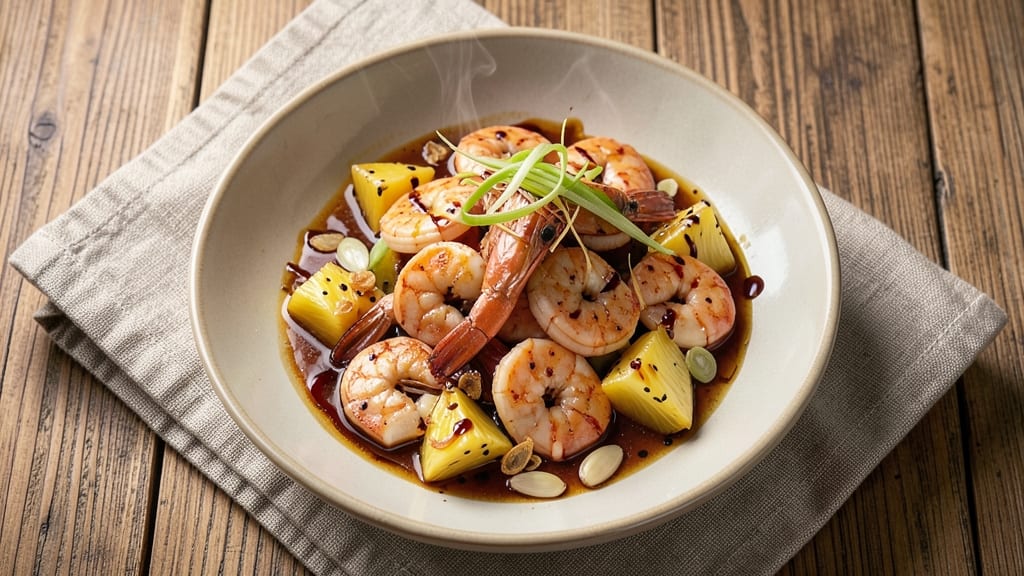
This Chinese pineapple shrimp recipe delivers the perfect balance of sweet-chili crisp and buttery shrimp in just 20 minutes. The secret lies in marinated shrimp that develop deep flavor while pineapple chunks caramelize into sticky-sweet perfection—all achieved through proper stir-frying technique.
I've perfected this dish over years of testing, ensuring every bite delivers that signature wok hei (breath of the wok) aroma that makes it taste restaurant-quality.
The foundation starts with a marinade of soy sauce, garlic, and ginger that tenderizes the shrimp while building umami depth. Pineapple chunks add natural sweetness that cuts through the savory elements, while a touch of chili flakes brings just the right heat.
What sets this apart is the two-stage cooking process: first searing the shrimp until golden, then tossing in the pineapple to caramelize without overcooking. The result is shrimp with crisp edges and tender centers, paired with pineapple that's perfectly sweet—not mushy.
By the time you plate this dish, you'll have a vibrant, flavorful meal that's ready in 20 minutes—ideal for weeknight dinners or weekend gatherings. The shrimp maintains its buttery texture while the pineapple adds a bright, juicy contrast.
Serve over steamed jasmine rice or with a side of cucumber salad for a complete Chinese-inspired feast. The aroma alone will have everyone asking for seconds.
This recipe works equally well on the stovetop or in an air fryer, making it adaptable to any kitchen setup. The balance of sweet, savory, and umami flavors makes it universally appealing, while the quick preparation ensures it never feels like a chore.
Let's get cooking—your taste buds will thank you.
Ingredients for chinese pineapple shrimp
Sweet, savory, and crispy—these ingredients transform simple shrimp into restaurant-quality magic.
| Ingredient | Amount | Notes |
|---|---|---|
| Large Shrimp (Peeled & Deveined) 🦐 | 1 ½ lb | Extra-large size preferred |
| Fresh Pineapple Chunks 🍍 | 2 cups | Fresh or canned in juice (drained) |
| Light Soy Sauce 🥢 | ½ cup | Kikkoman preferred for balance |
| Minced Garlic Cloves 🧄 | 4 cloves | Freshly minced for aroma |
| Fresh Ginger (Grated) 🌿 | 1 tbsp | Finely grated, no zest |
| Sesame Oil 🫒 | 1 tbsp | Toasted for nutty depth |
| Honey 🍯 | 2 tbsp | Wildflower preferred |
| Rice Vinegar 🍶 | 1 tbsp | White vinegar substitute |
| Red Chili Flakes 🌶️ | 1 tsp | Adjust for heat preference |
| Neutral Oil (Avocado or Vegetable) 🫒 | 2 tbsp | High smoke point required |
| Green Onions (Thinly Sliced) 🧅 | 3 whole | White and green parts separated |
| Toasted Sesame Seeds 🌾 | 1 tsp | For garnish |
| Salt 🧂 | ½ tsp | Kosher or sea salt |
| Black Pepper 🌶️ | ¼ tsp | Freshly cracked |
The shrimp size matters here—extra-large (21/25 count) stays tender while developing crisp edges. Grab them fresh or frozen from the seafood counter, but never thawed in water (that makes them rubbery). Trader Joe's and Whole Foods have the best quality, but any reputable fishmonger works. If using frozen, pat them completely dry before marinating—water dilutes the flavor. The pineapple should be ripe but firm, with no brown edges. Canned pineapple in juice works in a pinch, but fresh delivers that bright, juicy contrast that makes this dish pop.
No sesame oil? Avocado oil at half the amount keeps the flavor neutral. Short on honey? Maple syrup works 1:1, though it adds a different depth. The soy sauce is non-negotiable—light soy for subtle umami, dark soy if you want deeper color. Fresh ginger and garlic? Jarred minced works if you're in a rush, but freshly grated/minced makes all the difference. The chili flakes can be swapped for 1/2 tsp cayenne if you prefer a smoother heat. And if you're worried about the shrimp sticking, lightly oil the pan before adding—just don't overdo it or you'll lose that signature wok hei aroma.
Marinate the shrimp for no more than 20 minutes—longer and they'll turn rubbery. The pineapple chunks can be prepped ahead and stored in the fridge for 2 days, but keep them dry. Sesame seeds keep for 6 months in a cool, dark place—toast them fresh for maximum flavor. This dish reheats surprisingly well—20 seconds in the microwave with a splash of water keeps it tender. Leftovers? Portion into airtight containers and eat within 2 days for best texture.
Why You'll Love This Recipe
- One-Pan Magic: I swear by this recipe when I’m too tired to wash dishes—just toss shrimp, pineapple, and aromatics in one skillet, let the garlic and ginger work their magic, and boom. The soy sauce caramelizes right into the pan, so no extra cleanup. Honestly, my lazy days thank me every time.
- Sweet-Savory Balance: That first bite? The shrimp’s buttery finish meets the bright, juicy pineapple like a match made in heaven. The ginger adds just enough kick to cut through the sweetness, while the light soy sauce ties it all together—no heavy sauces, just pure, addictive flavor.
- Weeknight or Party Star: I make this when I need something fast for myself, but it’s also the dish I bring to potlucks because it’s always a hit. The pineapple adds a tropical vibe, and the shrimp makes it feel special enough for company—without requiring hours in the kitchen.
- Budget-Friendly Protein Boost: Fresh pineapple might seem pricey, but a single crown lasts me two meals, and shrimp is cheaper than you’d think when you buy it in bulk. Leftovers reheat beautifully, and the flavors only get better the next day—so it’s basically free money in my book.
Step-by-step instructions for sweet-chili pineapple shrimp
Here's how to balance bold flavors and buttery shrimp for a dish that's equal parts sweet, spicy, and crisp.
Marinate the Shrimp for Maximum Flavor
In a medium bowl, combine the 1.5 lb large shrimp (peeled & deveined) with 0.5 cup light soy sauce, 2 tbsp honey, 1 tbsp rice vinegar, 1 tsp red chili flakes, 0.5 tsp salt, and 0.25 tsp black pepper. Gently toss until every shrimp is evenly coated in the marinade. I like to use my hands for this—it ensures complete coverage without breaking the delicate shrimp.
Cover the bowl and refrigerate for at least 30 minutes (up to 2 hours for deeper flavor). The acidity from the rice vinegar and the sweetness of the honey will begin tenderizing the shrimp while infusing them with complex flavor. If you're short on time, a 15-minute marinade still works, but longer is always better.
Sauté Aromatics Until Fragrant and Golden
Heat 2 tbsp neutral oil in a large skillet over medium-high heat until shimmering. Add 4 cloves minced garlic cloves and 1 tbsp freshly grated ginger—cook for 30-45 seconds until the garlic turns golden and the ginger becomes fragrant. This quick cooking prevents bitterness and unlocks their full aroma.
Immediately add the 2 cups fresh pineapple chunks and stir for 2 minutes until they begin to caramelize slightly at the edges. The pineapple will release its juices, creating a sweet base for the sauce. If the pan starts to smoke, reduce the heat slightly—you want the pineapple to soften but not burn.
Cook the Shrimp to Perfect Doneness
Add the marinated shrimp to the skillet in a single layer, leaving space between each piece. Cook undisturbed for 1-2 minutes per side until the shrimp turn opaque and golden brown—this indicates they're fully cooked through. Overcrowding the pan will steam the shrimp instead of searing them, so work in batches if needed.
Once the shrimp are cooked, remove them from the skillet and set aside on a plate. The residual heat will keep them warm while you finish the sauce. If you notice any shrimp that aren't fully opaque, return them to the pan for another 30 seconds—they cook quickly, so keep an eye on them.
Finish the Sauce and Combine
Return the pineapple mixture to the skillet and stir in 1 tbsp toasted sesame oil. Let it simmer for 1-2 minutes until the sauce thickens slightly and coats the back of a spoon. The sesame oil adds a nutty depth that ties all the flavors together. If the sauce is too thick, add 1-2 tablespoons of water to loosen it.
Return the shrimp to the skillet and toss everything together for 30 seconds to coat the shrimp evenly in the sauce. The shrimp should be glistening with a sweet-chili glaze. Taste and adjust seasoning if needed—add a pinch more red chili flakes for heat or a splash of rice vinegar for brightness.
Garnish and Serve Immediately
Transfer the shrimp to a serving platter and sprinkle with 3 whole green onions (thinly sliced) and 1 tsp toasted sesame seeds. The green onions add a fresh contrast to the rich, spicy-sweet sauce, while the sesame seeds provide a textural crunch. Serve immediately over steamed jasmine rice or with crusty bread to soak up the delicious sauce.
Each bite should deliver a perfect balance of sweet pineapple, spicy kick, umami from the soy sauce, and buttery shrimp. The dish is best enjoyed fresh while the shrimp are still warm and the sauce is glossy—this is where all the magic happens.
Pro Tips For Making Chinese Pineapple Shrimp
- Pat Shrimp Dry: Wet shrimp sticks to the pan and steams instead of searing. Grab paper towels and blot each one thoroughly—even if they look dry—before hitting the heat. Trust me, that crispy crust is worth the extra 30 seconds.
- Cook Pineapple First: I used to toss pineapple chunks in raw with the shrimp, and they’d turn mushy by the end. Sear them for 2-3 minutes in the same pan before removing them—just enough to soften the edges and caramelize the sugars. They’ll still hold their shape when you add them back.
- Skip the Overcrowding: Piling shrimp in the pan like sardines guarantees uneven cooking. Work in batches—no more than half the pan’s surface area at a time—so they sizzle and brown instead of simmering in their own juices. Your wok’s revenge for past mistakes.
- Use Ginger Paste: Fresh ginger’s tough to grate finely, and lumpy bits ruin the texture. Swap it for a teaspoon of ginger paste—it dissolves instantly into the sauce and adds the same zing without the hassle. (I keep a jar in the fridge for exactly this reason.)
Troubleshooting this dish
Shrimp Too Dry
If your shrimp end up dry and rubbery, it’s likely from overcooking or improper prep. First, ensure you’re using extra-large shrimp (21/25 count)—smaller shrimp overcook faster. Pat them completely dry before marinating, as any moisture will steam them instead of searing.
Cook them in a single layer over medium-high heat for 1-2 minutes per side max—they’re done when opaque and just turning pink. If they’re already overcooked, toss them with 1 tsp toasted sesame oil and a splash of rice vinegar to revive their texture. 💡
Pineapple Too Mushy
Mushy pineapple usually means it was cooked too long or added too early. Prep your pineapple chunks fresh and firm—avoid canned pineapple in syrup, which releases excess liquid.
Add the pineapple after the shrimp starts cooking (Step 2) and stir for only 2 minutes—just enough to caramelize the edges. If it’s already mushy, drain excess liquid and toss with ½ tsp cornstarch to thicken the sauce.
For next time, use frozen pineapple chunks (thawed and drained) if fresh isn’t available—they hold up better. 🍍
Sauce Too Thin
A runny sauce happens when the pineapple releases too much juice or the sauce isn’t reduced enough. Simmer the pineapple mixture uncovered for an extra 1-2 minutes after removing the shrimp to thicken the sauce naturally.
If it’s still too thin, mix 1 tsp cornstarch with 1 tbsp water, stir into the sauce, and cook for 30 seconds until it glistens. For a richer sauce, add ½ tsp toasted sesame oil at the end—it adds body and depth without thinning it. 🥢
Shrimp Not Cooked Through
Undercooked shrimp is usually from not cooking them long enough or crowding the pan. Work in small batches if needed, and cook each shrimp undisturbed for 1-2 minutes per side until fully opaque. Use a thermometer to check—shrimp should reach 145°F internal temperature.
If they’re still translucent, return them to the pan for another 30 seconds. A quick fix? Toss undercooked shrimp with 1 tsp soy sauce and ½ tsp honey, then sear again for 1 minute—the extra marinade helps them cook faster. 🦐
Lacking Wok Hei Aroma
The signature "breath of the wok" aroma comes from high-heat cooking and proper oil choice. Use a heavy-bottomed skillet (like Made In or All-Clad) and heat your neutral oil (avocado or vegetable) until it’s smoking slightly before adding shrimp.
Cook over medium-high to high heat and avoid stirring constantly—let the shrimp sear for 30-45 seconds per side before tossing. If your pan isn’t hot enough, the shrimp will steam instead of develop that smoky flavor.
For extra wok hei, finish with a splash of Shaoxing wine (or dry sherry) before adding the pineapple. 🔥
Marinade Not Sticking
If the marinade slides off the shrimp, they’re either too wet or the marinade isn’t sticky enough. Pat the shrimp thoroughly dry with paper towels before marinating—moisture dilutes the flavor.
For a better grip, add 1 tsp cornstarch to the marinade or toss the shrimp in 1 tbsp flour before marinating. If the marinade is too thin, reduce it on the stovetop by simmering for 2-3 minutes before using.
For extra adhesion, chill the shrimp for 10 minutes after marinating—the cold helps the flavors cling. 💪
Nutrition facts
Frequently asked questions
Can I use frozen shrimp for this recipe?
Yes, but you must thaw and prep them properly! Use frozen shrimp that's still frozen—never thawed in water. Transfer to a colander and rinse under cold water for 1 minute to remove excess ice crystals. Pat them completely dry with paper towels before marinating. This ensures they sear properly instead of steaming. For best texture, don't skip the drying step.
How can I make this dish spicier?
Double the red chili flakes (to 2 tsp) or add 1 tsp sambal oelek to the marinade. For heat lovers, stir in ½ tsp crushed red pepper flakes at the end or serve with extra chili oil drizzled on top. Remember, the pineapple's natural sweetness balances the heat beautifully.
What's the best way to store leftovers?
Portion into airtight containers and refrigerate for up to 2 days. Reheat in 20-second bursts in the microwave with a splash of water to maintain moisture. For longer storage, freeze for up to 1 month—thaw overnight in the fridge before reheating. The sauce may thicken slightly when reheated, so add a few drops of water if needed.
Can I substitute pineapple with another fruit?
Mango works best—use 2 cups diced ripe mango instead. For tropical flavor, try peaches or papaya, but they'll be less acidic. Avoid overly watery fruits like melon. If substituting, reduce cooking time to 1 minute to prevent mushiness. The fruit should complement the shrimp's sweetness without overpowering.
How do I achieve that perfect wok hei aroma?
Use a heavy-bottomed wok or cast-iron skillet and heat your oil until smoking slightly before adding shrimp. Cook over medium-high to high heat and avoid stirring constantly—let the shrimp sear for 30-45 seconds per side undisturbed. For extra aroma, finish with 1 tsp Shaoxing wine (or dry sherry) before adding pineapple. The high heat creates those signature smoky notes!