
Main Courses
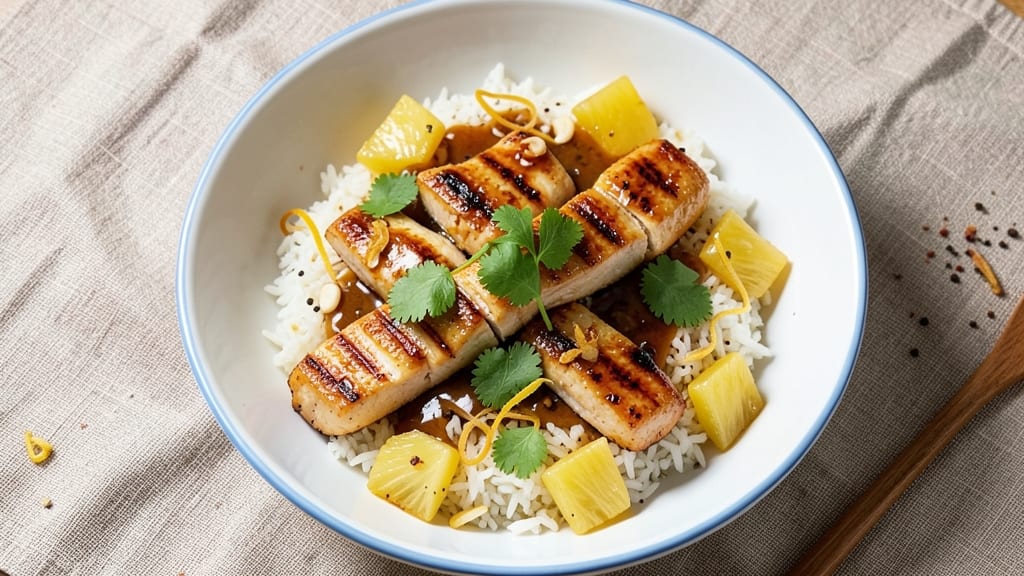
This chicken pineapple stir fry rice brings bold Asian flavors to your weeknight table with minimal effort. The secret lies in balancing sweet pineapple with savory soy-ginger marinade, creating a dish that's both restaurant-quality and foolproof for home cooks.
I developed this recipe after years of perfecting stir-fry techniques—now you can achieve that signature wok hei (breath of the wok) in your own kitchen.
The process starts with tenderizing chicken in a simple marinade, then stir-frying it with pineapple and vegetables until caramelized. While those cook, jasmine rice simmers to perfection, absorbing just enough liquid for fluffy, separate grains.
The sauce—sweet, tangy, and umami-rich—ties everything together with a glossy finish that clings to every bite.
What you'll end up with is a vibrant, one-pan meal packed with juicy chicken, tender pineapple chunks, and crisp-tender vegetables, all resting on a bed of fragrant rice. The flavors are complex yet balanced—sweet from the pineapple, savory from the soy, and bright from fresh ginger and garlic.
It's the kind of dish that feels special but comes together in under 30 minutes.
Best served immediately with a sprinkle of sesame seeds and sliced green onions, this stir fry rice is equally at home as a weeknight dinner or a weekend family meal.
The technique is adaptable—swap in shrimp or tofu for the chicken, or add bell peppers for extra crunch. Let's get cooking!
Ingredients for chicken pineapple stir fry rice
Jasmine rice, tender chicken, and sweet pineapple—these ingredients create a restaurant-worthy stir fry in one pan.
| Ingredient | Amount | Notes |
|---|---|---|
| Boneless Skinless Chicken Breast 🍗 | 1 ½ lb | Cut into 1-inch strips |
| Fresh Pineapple Chunks 🍍 | 2 cups | Fresh or canned in juice, drained |
| Jasmine Rice 🍚 | 1 ½ cups | Uncooked, long-grain preferred |
| Fresh Ginger Root 🌿 | 2 tbsp | Finely grated, fresh preferred |
| Garlic Cloves 🧄 | 4 cloves | Minced finely for depth |
| Low-Sodium Soy Sauce 🍶 | ⅓ cup | Or tamari for gluten-free |
| Honey 🍯 | 2 tbsp | Wildflower preferred for floral notes |
| Sesame Oil 🫒 | 1 tbsp | Toasted sesame oil for aroma |
| Vegetable Oil 🫒 | 2 tbsp | High smoke point for stir-frying |
| Green Onions 🧅 | ¼ cup | Sliced thin for garnish |
| Toasted Sesame Seeds 🌾 | 1 tbsp | For crunchy texture |
| Red Bell Pepper 🌶️ | 1 whole | Sliced into thin strips |
| Carrot 🥕 | 1 whole | Julienned into thin matchsticks |
| Diamond Crystal Kosher Salt 🧂 | 1 tsp | For seasoning rice |
| Black Pepper 🌶️ | ½ tsp | Freshly cracked for heat |
The chicken is the foundation, so look for boneless, skinless breasts with even thickness—they cook faster and stay juicier. Trader Joe's or Whole Foods carry pre-cut strips, but if you're cutting your own, slice against the grain for tender bites. Pineapple should be ripe but firm—cut into even chunks so they caramelize consistently. Fresh ginger is non-negotiable here; the bright, zesty flavor is what balances the sweetness. If you're short on time, frozen pineapple works in a pinch—just pat it dry before cooking. For the rice, jasmine rice from a bulk bin gives the best aroma, but any long-grain rice will do.
No fresh ginger? Powdered ginger at half the amount works, but it lacks that fresh bite. Substitute chicken with shrimp or tofu—just adjust cooking time (shrimp needs 2-3 minutes max). The red bell pepper and carrot can be swapped for broccoli or snap peas if you prefer. For the soy sauce, low-sodium is key—it prevents overpowering the dish. If you can't find tamari, just use regular soy sauce but reduce the honey slightly to balance saltiness. The sesame oil should be toasted, not regular—it adds that nutty aroma that makes this dish sing. And if you're feeling adventurous, add a dash of sriracha to the sauce for a spicy kick.
Prep everything before you start cooking—this is a one-pan wonder, but efficiency is key. The rice can be started first while you marinate the chicken, saving time. Store any leftover rice in an airtight container for 3-4 days, or freeze portions for up to 3 months. The stir-fry itself reheats best in a skillet with a splash of water to restore moisture. Garnish with sesame seeds and green onions right before serving—they add that fresh, bright finish that makes the dish feel special. Double the recipe if you're feeding a crowd; it scales perfectly.
Why You'll Love This Recipe
- One-Pan Magic: Honestly, I swear by this recipe on nights when I’d rather not wash a million dishes. Toss the chicken, pineapple, and rice right into the same pan—no extra bowls, no fuss. The jasmine rice soaks up all the sticky-sweet garlic-ginger sauce while everything else cooks through, and cleanup? One spatula, one pan, done.
- Sweet-Savory Balance: Between us, the pineapple’s tang cuts through the richness of the chicken so well—it’s like a tropical hug in every bite. That fresh ginger? It’s the secret weapon here, giving the whole dish a bright, zesty kick without overpowering. (Yes, even on a Tuesday night.)
- Lunchbox Hero: Here’s what sold me—this stuff reheats like a dream. Pack the leftovers in containers, and you’ve got a lunch that’ll make your coworkers jealous. The rice stays fluffy, the chicken stays juicy, and the pineapple? Still bright and sweet. My kid brings it to school all the time—no complaints, just empty containers.
- Budget Bright Spot: Between us, chicken breast and pineapple are affordable staples that don’t skimp on flavor. A single pineapple lasts me weeks for stir-fries, and the rice? You can’t beat the cost. It’s the kind of meal that feels special but won’t break the bank—perfect for when you want restaurant vibes without the price tag.
Step-by-step instructions for chicken pineapple stir fry rice
Here's how to create a vibrant, sweet-tangy stir fry that balances bold flavors perfectly.
Prepare the Chicken and Vegetables
Cut the 1.5 lb boneless skinless chicken breast into 1-inch strips—this ensures even cooking and quick searing. Place them in a bowl and season generously with 1 tsp Diamond Crystal kosher salt and 0.5 tsp black pepper. Let them sit while you prep the vegetables.
Slice the whole red bell pepper into thin strips and julienne the whole carrot into matchsticks. Peel and finely grate the 2 tbsp fresh ginger root, then mince the 4 cloves garlic cloves. Thinly slice the 0.25 cup green onions, reserving the tops for garnish later. Keep all prepped ingredients separate until ready to use—this keeps everything fresh and ready for quick cooking.
Cook the Jasmine Rice
Rinse the 1.5 cups jasmine rice under cold water until the water runs clear, then drain well. In a separate pot, combine the rice with 2.5 cups water (or follow package instructions) and bring to a boil. Once boiling, reduce heat to low, cover, and simmer for 15 minutes. Then turn off the heat and let it steam, covered, for another 10 minutes. Fluff with a fork before transferring to a serving dish—this prevents the rice from becoming mushy.
While the rice cooks, heat 2 tbsp vegetable oil in a large wok or skillet over medium-high heat. Add the seasoned chicken strips and cook for 4-5 minutes, stirring occasionally, until the chicken is golden brown and cooked through. Remove the chicken from the pan and set aside on a plate—it will stay warm while you cook the vegetables.
Stir-Fry the Vegetables and Sauce
In the same pan, add the red bell pepper strips and carrot matchsticks, cooking for 3-4 minutes until they begin to soften but still retain a slight crunch. Add the finely grated ginger root and minced garlic cloves, stirring for 30 seconds until fragrant—this releases their aromatic oils and deepens the flavor.
Pour in the 0.33 cup low-sodium soy sauce and 2 tbsp honey, stirring to combine. Let the sauce simmer for 1-2 minutes until it begins to thicken slightly. Return the chicken to the pan, along with the 2 cups fresh pineapple chunks, and toss everything together. Cook for another 2 minutes until the pineapple is heated through and the sauce coats the ingredients evenly.
Finish and Serve
Drizzle 1 tbsp sesame oil over the stir-fry and toss gently to distribute. Taste and adjust seasoning if needed—add a splash more soy sauce for saltiness or a touch of honey for sweetness. Transfer the stir-fry to a serving platter alongside the cooked jasmine rice, then sprinkle with 1 tbsp toasted sesame seeds and the reserved green onion tops for a pop of color and texture.
Serve immediately while everything is hot and vibrant. The sweet-tangy sauce should cling to the chicken and vegetables, creating a harmonious balance of flavors in every bite. Garnish with extra sesame seeds if desired, and enjoy with a side of steamed greens or a simple cucumber salad for a complete meal.
Pro Tips For Making Chicken Pineapple Stir Fry Rice
- Sear Chicken First: Toss that raw chicken breast in a hot pan with a splash of oil before adding anything else—you’re not just cooking it, you’re building flavor. I used to skip this and ended up with bland chicken that just melted into the rice. A 3-4 minute sear on medium-high heat gives you texture and depth that no amount of sauce can fix later.
- Prep Pineapple Dry: Pat those pineapple chunks completely dry with a paper towel before stir-frying—wet fruit steams instead of caramelizing, and your stir-fry turns into a sad, soggy mess. I learned this after a batch where the pineapple just sat there, looking pretty but tasting like it was swimming in its own juice.
- Cook Rice Separately: Finish your jasmine rice before you start the stir-fry—mixing it in raw or half-cooked turns your dish into a gluey disaster. I used to try to "save time" by cooking everything together, but the rice would either get mushy or underdone. Cook it first, then fold it in at the very end when the chicken and pineapple are done.
- Mince Ginger Fine: No, "grated" isn’t good enough—you want that ginger so fine it’s almost invisible, or you’ll end up with chewy bits that ruin the texture. I used to just chop it roughly, and it always felt like I was eating little peppery surprises. A microplane or the side of a knife works best—aim for a paste, not chunks.
Perfect pairings for this dish
Classic Side Dishes
Steamed bok choy with a sprinkle of toasted sesame seeds and a drizzle of chili oil complements the sweetness of the stir-fry beautifully. I steam 2 bunches for 4-5 minutes until tender-crisp, then toss with 1 tsp chili oil and 1 tsp sesame seeds.
The peppery greens cut through the richness while adding freshness. 🥬
Crunchy Additions
Add texture with a quick-pickled cucumber salad. Thinly slice 1 English cucumber and toss with 1 tbsp rice vinegar, ½ tsp sugar, and a pinch of salt.
Let sit for 10 minutes before serving. The cool, crisp contrast balances the warm stir-fry perfectly. For extra crunch, serve with crispy fried shallots from the Asian aisle.
Wine Pairings
A crisp dry Riesling from Germany or California enhances the dish's sweet-tangy flavors. The acidity in the wine mirrors the pineapple's brightness while the mineral notes complement the soy sauce.
I love Dr. Loosen Blue Slate—its citrus and stone fruit notes make every bite sing. For a lighter option, a Sauvignon Blanc with herbal notes works wonderfully too. 🍷
Beer Complements
Try a light lager like Asahi Super Dry—its clean, crisp profile lets the stir-fry's flavors shine without overpowering them. For a more robust option, a wheat beer like Blue Moon adds a subtle citrus note that pairs beautifully with the pineapple.
Avoid heavy IPAs or stouts, which can clash with the dish's delicate balance.
Sauce Variations
For a spicy kick, add 1 tbsp sriracha to the sauce while cooking. For a smoky twist, swap 1 tbsp of the soy sauce for smoked paprika and a dash of liquid smoke.
Both variations keep the dish's sweet-tangy core while adding depth. I often make a double batch of sauce—it freezes well for up to 3 months and elevates other Asian-inspired dishes. 🌶️
Nutrition facts
Frequently asked questions
Can I use frozen pineapple instead of fresh?
Yes, but with one key adjustment: always thaw and pat the pineapple chunks completely dry before cooking. Frozen pineapple releases extra moisture, which can make your stir-fry soggy. For best results, drain the chunks thoroughly and pat with a paper towel to ensure they caramelize properly.
How do I prevent the chicken from drying out?
Keep the chicken strips 1-inch thick and cook them just until golden brown (4-5 minutes at most). Overcooking is the #1 cause of dryness. Remove them from the pan as soon as they reach 165°F internal temperature, then set aside while you cook the vegetables. This resting period keeps them juicy when they return to the pan.
What if I don't have a wok?
A heavy-bottomed skillet or even a large sauté pan works perfectly! The key is using medium-high heat and keeping ingredients moving constantly. If your pan isn't wide enough, cook in batches—just don't overcrowd, or the chicken will steam instead of sear. A nonstick pan helps prevent sticking with pineapple's natural juices.
Can I make this dish ahead of time?
Cook the stir-fry components separately and store them in airtight containers for 2 days in the fridge. Reheat the chicken and vegetables in a skillet with a splash of water, then toss with the sauce. The rice should be cooked fresh—microwaving leftovers makes it gummy. For best results, assemble everything just before serving to maintain that signature wok hei flavor.
Why does my sauce taste too sweet?
Balance the sweetness by adding ½ tsp rice vinegar or a pinch of red pepper flakes to cut through the honey. If it's still too sweet, add a splash more soy sauce (the umami helps balance flavors). The sauce should complement, not overpower—the pineapple's natural sweetness should shine through, not dominate.