
Main Courses
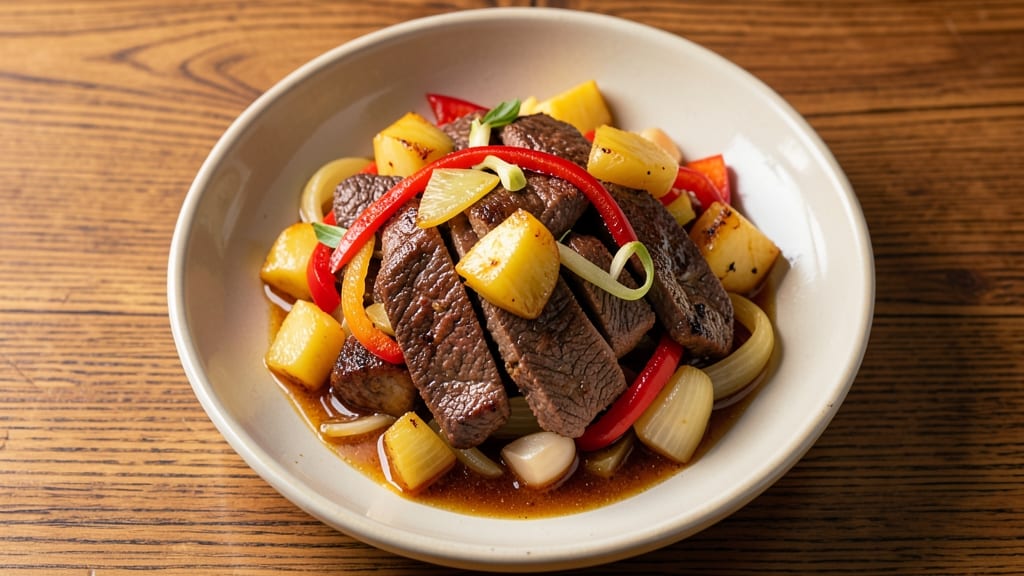
This beef pineapple stir fry recipe delivers the perfect harmony of sweet, tangy, and savory flavors in just 20 minutes—no complicated techniques required.
The secret lies in high-heat searing to lock in juices while caramelizing the beef, then balancing it with fresh pineapple’s natural sweetness and a bold soy-ginger sauce. I’ve perfected this dish after years of experimenting with stir-fry timings, ensuring tender beef and just-crisp pineapple every time.
The magic happens in three simple steps: marinating the beef for deep flavor, stir-frying in batches to avoid overcrowding (critical for that signature wok hei), and tossing everything together with a sauce that’s sweet, umami-rich, and just spicy enough.
Unlike many recipes, this version skips the heavy sauces—what you get is bright, vibrant, and packed with texture, where each bite delivers a perfect contrast of caramelized beef and juicy pineapple.
What makes this recipe stand out is its versatility. Serve it over steamed jasmine rice for a classic pairing, or swap in noodles for a quick weeknight meal. The dish also holds up beautifully for meal prep—store leftovers for up to 3 days, though I doubt they’ll last that long.
For an elevated touch, pair it with a cold piña colada or a crisp lager to complement the sweet-spicy profile.
Ready to master this crowd-pleaser? The ingredients are simple—just a few pantry staples and fresh produce—but the technique ensures restaurant-quality results at home. Let’s get cooking.
Ingredients for beef pineapple stir fry
High-quality proteins and vibrant produce come together for a restaurant-worthy stir fry in minutes.
| Ingredient | Amount | Notes |
|---|---|---|
| Flank Steak 🥩 | 1 ½ lb | Thinly sliced against grain |
| Fresh Pineapple 🍍 | 2 cups | Cubed, fresh or thawed frozen |
| Red Bell Pepper 🌶️ | 1 whole | Sliced into thin strips |
| Yellow Onion 🧅 | 1 whole | Thinly sliced |
| Garlic Cloves 🧄 | 4 cloves | Minced |
| Fresh Ginger 🌿 | 1 tbsp | Grated |
| Soy Sauce 🍶 | ½ cup | Low-sodium preferred |
| Honey 🍯 | 2 tbsp | Wildflower preferred |
| Rice Vinegar 💧 | 2 tbsp | White or seasoned |
| Sesame Oil 🫒 | 1 tbsp | Toasted for aroma |
| Vegetable Oil 🫒 | 3 tbsp | High smoke point |
| Red Chili Flakes 🌶️ | ½ tsp | Adjust to taste |
| Salt 🧂 | 1 tsp | Diamond Crystal preferred |
| Black Pepper 🌶️ | ½ tsp | Freshly ground |
| Toasted Sesame Seeds 🌾 | 1 tbsp | For garnish |
The flank steak is non-negotiable for this dish—its lean texture caramelizes beautifully while staying tender. Look for USDA Choice or Prime at your local butcher or grocery store's meat counter. Costco or Whole Foods often carry pre-sliced options, but if you're slicing yourself, freeze the meat for 20 minutes first to make it easier. The pineapple should be ripe but firm—overripe will turn mushy during cooking. DoleFresh Pineapple Company brands deliver consistent quality, but fresh is always superior to frozen for texture. For the bell pepper, choose red for natural sweetness that complements the pineapple's flavor profile.
No flank steak? Sirloin or ribeye work in a pinch, but slice against the grain for tenderness. Swap frozen pineapple for fresh—just thaw and drain excess liquid first. The soy sauce can be substituted with coconut aminos for a gluten-free option, though the flavor will differ slightly. Trader Joe's carries an excellent low-sodium option that won't overpower the dish. For extra heat, add 1 tsp sriracha to the sauce mixture. The red bell pepper can be swapped for green or yellow if that's what's available, though red provides the best color contrast. Fresh ginger loses potency quickly, so buy it in small amounts or freeze it whole until ready to use.
Prep the pineapple and vegetables first—they'll take the longest to slice. Store any unused pineapple in an airtight container in the fridge for up to 5 days. The cooked stir fry reheats beautifully—simply warm in a skillet over medium heat with a splash of water for 2-3 minutes. For meal prep, portion into glass containers with a tight seal to maintain freshness for up to 3 days. The sesame seeds can be toasted in a dry skillet for 30 seconds before adding to the dish for maximum aroma. This recipe serves four generously—plan for leftovers or double the batch for a crowd.
Why You'll Love This Recipe
- One-Pan Magic: I swear by this recipe when I’m too tired to wash dishes. Sear the flank steak, toss in the pineapple chunks and veggies, and let the garlic and soy sauce work their magic—all while you’re free to do something else. (Yes, even on a Tuesday night.)
- Sweet-Savory Balance: That first bite of caramelized pineapple with tender beef? It’s like a party in your mouth. The bell pepper adds crunch, while the onion and garlic deepen the flavor—no weird aftertaste, just pure, addictive harmony.
- Leftover Hero: Between us, this stir-fry tastes better the next day. I make a double batch on Sundays, and by Wednesday, it’s still my lunch go-to—packed with protein, easy to reheat, and way cheaper than takeout.
- Crowd-Pleaser Flex: Serve it over rice for a full meal, wrap it in tortillas for tacos, or toss it cold into a salad. Honestly, I’ve even used it as a topping for baked potatoes when I’m feeling fancy. The flavors hold up everywhere.
Step-by-step instructions for beef pineapple stir fry
Master this balance of sweet, savory, and spicy in just 20 minutes with precise technique.
Prep and Marinate the Flank Steak
Slice the 1.5 lb flank steak thinly against the grain into ¼-inch strips. This ensures tender bites rather than chewy slices. Transfer to a bowl and combine with 0.5 cup soy sauce, 2 tbsp rice vinegar, 1 tbsp sesame oil, 0.5 tsp red chili flakes, 1 tsp salt, and 0.5 tsp black pepper. Marinate for at least 15 minutes—this tenderizes the beef and infuses flavor. I like to press the marinade into the meat with my fingers to ensure even coating.
While the steak marinates, prep the vegetables. Cut the 2 cups fresh pineapple into 1-inch cubes, slice the red bell pepper into thin strips, and thinly slice the yellow onion. Grate the 1 tbsp fresh ginger and mince the 4 cloves garlic. Keep all ingredients separate until ready to cook. This prep ensures everything cooks evenly and stays vibrant.
Sear the Beef for Maximum Flavor
Heat 1 tbsp vegetable oil in a large skillet or wok over medium-high heat until shimmering. Add the marinated steak in a single layer, leaving space between pieces. Cook undisturbed for 1-2 minutes until the edges turn deep golden brown—this creates a flavorful crust. Flip the steak and cook another 1-2 minutes until just cooked through. The beef should still have a slight pink center to prevent overcooking.
Remove the steak from the skillet and set aside. If the pan starts to smoke excessively, reduce the heat slightly—you want to maintain control without losing the sear. This quick cook time is critical; overcooking flank steak turns it tough. The residual heat will finish cooking the beef when combined with the sauce.
Build the Stir-Fry Base
In the same skillet, add the remaining 2 tbsp vegetable oil and increase heat to high. Add the sliced yellow onion and cook for 1 minute until softened. Add the red bell pepper strips and cook for another 2 minutes until slightly blistered. Stir in the minced garlic and grated ginger, cooking for 30 seconds until fragrant—this releases their essential oils and deepens the flavor.
Add the pineapple cubes and cook for 2 minutes until heated through. The pineapple should retain its shape but release a slight sweet aroma. This step ensures the fruit contributes its natural juices to the sauce rather than turning mushy. If the pan feels dry, add 1-2 tablespoons water to deglaze and collect the browned bits from the bottom.
Combine and Finish the Sauce
Return the seared beef to the skillet along with any accumulated juices. Add 2 tbsp honey and stir to coat everything evenly. Let the mixture simmer for 2-3 minutes until the sauce thickens slightly and the beef absorbs the glaze. The honey should caramelize just enough to add depth without overwhelming the dish.
Taste and adjust seasoning if needed. If the stir-fry needs more acidity, add another ½ tablespoon rice vinegar. For extra heat, sprinkle in more red chili flakes. The sauce should balance sweet, savory, and spicy notes with each bite. Remove from heat and let it rest for 1-2 minutes to allow flavors to meld.
Serve with Garnish
Transfer the stir-fry to serving plates and garnish immediately with 1 tbsp toasted sesame seeds. The seeds add a nutty crunch and visual appeal. Serve hot over steamed rice or noodles to soak up the flavorful sauce. Each forkful should deliver tender beef, juicy pineapple, crisp bell peppers, and a glossy, balanced sauce.
This dish holds well for 2-3 hours at room temperature, making it perfect for meal prep. The flavors actually improve as the sauce continues to meld. Store leftovers in an airtight container in the refrigerator for up to 3 days, though I rarely have any leftovers—it disappears quickly!
Pro Tips For Making Beef Pineapple Stir Fry
- SEAR STEAK IN BATCHES: Flank steak releases a ton of liquid when seared—crowd the pan and you’ll steam it instead of crisp it. Cut the steak into strips first, then cook in two batches over high heat. That golden crust? Worth the extra minute.
- CUT PINEAPPLE SMALL: I used to leave pineapple chunks too big, and they’d turn mushy before the beef finished. Dice it into ½-inch pieces—small enough to cook fast, big enough to stay recognizable. No soggy surprises here.
- SALT THE BEEF FIRST: Seasoning after cooking? You’re basically playing Russian roulette with flavor. Salt the flank steak strips generously and let them sit for 10 minutes before cooking. The salt breaks down the proteins, so the meat stays juicy and absorbs the stir-fry sauce better.
- USE FROZEN PINEAPPLE: Sounds weird, but it works: Toss frozen pineapple chunks straight into the pan with the beef. The cold chunks thaw and caramelize faster than fresh, cutting prep time by half. Just pat them dry first—wet fruit = steam, not sear.
Regional styles of these flavors
Hawaiian Fusion Style
This version leans into tropical flavors by adding 1 tbsp grated coconut to the sauce and swapping the bell pepper for 1 cup diced mango. I also toss in ½ cup macadamia nuts, lightly toasted, for crunch.
Serve over jasmine rice and garnish with fresh cilantro and lime wedges for that island vibe. The key is balancing the sweetness—adjust honey to 1 tbsp if using extra ripe mango. 🌺
Thai-Inspired Spicy Kick
For a Thai twist, replace the soy sauce with ½ cup fish sauce and add 1 tbsp red curry paste to the marinade. Swap honey for 1 tbsp palm sugar and finish with 1 tsp lime zest.
Stir-fry with 1 tbsp lemongrass paste (or 2 stalks, bruised) for an aromatic punch. Serve with steamed jasmine rice and a side of Thai basil for freshness. The heat level will soar—add extra chili flakes if you love it spicy! 🌶️
Japanese Teriyaki Twist
This version replaces pineapple with 1 cup sliced shiitake mushrooms and uses a teriyaki glaze made from ¼ cup soy sauce, 2 tbsp mirin, and 1 tbsp sake. Marinate the beef in 1 tbsp grated daikon for extra umami.
Garnish with pickled ginger and sesame seeds. Serve with steamed short-grain rice and steamed bok choy for a complete bento-style meal. The teriyaki adds a glossy, slightly sweet finish that pairs beautifully with the mushrooms. 🍶
Caribbean Jerk Fusion
Infuse the marinade with 1 tbsp jerk seasoning (store-bought or homemade) and 1 tsp allspice. Swap pineapple for 1 cup grilled plantains, sliced and caramelized. Add 1 tbsp lime juice to the sauce and finish with fresh cilantro.
Serve with coconut rice and a side of mango salsa. The jerk seasoning brings smoky depth, while the plantains add a caramelized sweetness that complements the beef perfectly. 🌴
Korean Bulgogi Adaptation
Replace pineapple with 1 cup sliced pear (for natural sweetness) and add 1 tbsp gochujang to the marinade. Swap rice vinegar for 1 tbsp pear juice and finish with 1 tsp toasted sesame oil.
Serve over steamed white rice and garnish with thinly sliced green onions. The gochujang adds a fermented depth that pairs wonderfully with the beef’s caramelized crust. 🥢
Nutrition facts
Frequently asked questions
Why does the beef need to be sliced against the grain?
Slicing flank steak against the grain (¼-inch strips) breaks the muscle fibers, creating tender bites instead of chewy ones. The grain runs diagonally across the steak—look for the natural lines when slicing. This technique is essential for stir-fries where quick cooking means less time for muscle fibers to soften naturally.
Can I use frozen pineapple instead of fresh?
Yes, but drain and pat dry the thawed pineapple first to prevent excess moisture from making the stir-fry soggy. Fresh pineapple adds better texture and natural juices, but frozen works in a pinch. For extra flavor, add ½ teaspoon lime zest to the sauce to brighten the dish.
How do I adjust the heat level if I don't like spicy food?
Reduce or omit the red chili flakes entirely, or replace them with ½ teaspoon smoked paprika for warmth without heat. For a sweeter heat, add 1 teaspoon honey to the sauce. The pineapple's natural sweetness already balances the dish, so you can safely skip the spice without losing flavor.
What's the best way to reheat leftovers?
Warm leftovers in a skillet over medium heat with 1 tablespoon water or oil for 2-3 minutes to restore crispness. Microwaving works too, but add a splash of water and cover to prevent drying. The sauce thickens when reheated, so thin with a little water if needed. Store leftovers for up to 3 days in an airtight container.
Can I make this dish gluten-free?
Swap soy sauce for coconut aminos (use ⅓ more since it's less salty) and check rice vinegar for gluten. For extra umami, add 1 teaspoon fish sauce to the marinade. The flavor will be slightly different but still delicious—just be mindful of cross-contamination if using shared utensils.