
Sauces & Condiments
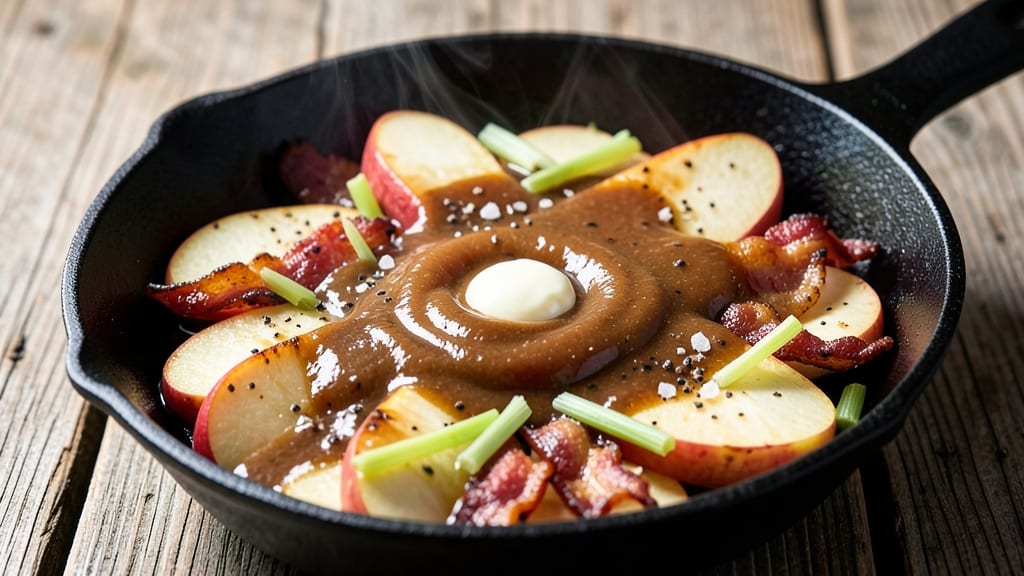
This apple pan hickory sauce recipe transforms simple ingredients into a smoky-sweet glaze that elevates everything from pork chops to mashed potatoes. The secret lies in balancing apple cider's natural sweetness with hickory's deep, woodsy flavor—creating a versatile sauce that's rich, tangy, and just slightly spicy from celery and pepper.
Professional chefs swear by this reduction technique to intensify the flavors without overpowering the dish.
The process is straightforward: simmer apple cider with butter, smoked salt, and a touch of vinegar until it thickens into a glossy, syrupy consistency. The celery and black pepper add a subtle bite that cuts through the sweetness, while the hickory smoke infuses every spoonful with that signature barbecue aroma.
What makes this sauce special is its ability to adapt—drizzle it over roasted meats, stir it into mashed potatoes, or use it as a glaze for roasted vegetables.
Once reduced, this sauce keeps beautifully in the fridge for up to two weeks or freezes for three months, making it perfect for meal prep. The texture remains velvety smooth after reheating, and the flavors deepen over time.
Whether you're hosting a dinner party or simply craving a smoky-sweet touch on weeknight meals, this sauce delivers restaurant-quality results with minimal effort.
Pair it with crispy pork ribs, tender chicken thighs, or even as a drizzle over buttery mashed potatoes for a flavor profile that's impossible to resist.
The versatility of this sauce ensures it becomes a staple in your kitchen—simple to make, but undeniably impressive. Let's get started on creating this crowd-pleasing glaze.
Ingredients for apple pan hickory sauce
Eight simple ingredients create a restaurant-quality glaze with smoky depth and perfect balance.
| Ingredient | Amount | Notes |
|---|---|---|
| Apple Cider 🍎 | 2 cups | Unfiltered for deeper flavor |
| Unsalted Butter 🧈 | ½ cup | Cold, cubed for even melting |
| Smoked Salt 🧂 | 1 tbsp | For authentic hickory flavor |
| Apple Cider Vinegar 🍋 | ½ cup | Balances sweetness and acidity |
| Celery Stalk 🧅 | 1 whole | Finely chopped for subtle bite |
| Ground Black Pepper 🌶️ | ½ tsp | Freshly cracked for sharpness |
| Hickory Smoke Seasoning 🔥 | 1 tsp | Enhances smoky depth (optional) |
| Granulated Sugar 🍚 | ¼ cup | Adjusts sweetness to preference |
The apple cider is the foundation—unfiltered brands like Mott's or Woodchuck add natural complexity. Smoked salt is a game-changer; Morton's or Diamond Crystal work perfectly. For the celery, organic stalks from the grocery store's produce section ensure no bitterness. The butter should be cold and cubed—this prevents immediate melting during reduction. If you can't find hickory smoke seasoning, liquid smoke at half the amount works in a pinch, but it lacks the depth of real seasoning.
No smoked salt? Regular kosher salt plus a pinch of liquid smoke mimics the flavor. Celery too fibrous? Celery seeds at one-quarter teaspoon provide the same earthy note. The vinegar can be swapped for lemon juice, though apple cider vinegar's tang is ideal. For a quicker version, apple juice concentrate reduces faster but lacks the same depth. The sugar is adjustable—reduce to 1/4 cup if your cider is already sweet. Always taste as you go; the sauce should coat the back of a spoon with a glossy sheen.
This sauce thickens as it cools, so reheat gently over low heat to restore its velvety texture. Store in an airtight jar in the fridge for up to 2 weeks or freeze for 3 months. Portion into ice cube trays for easy single-use servings—perfect for last-minute drizzles. The flavors deepen over time, making it even more delicious after a few days. For a smoother finish, strain through a fine-mesh sieve before serving.
Why You'll Love This Recipe
- Five-Ingredient Magic: I swear by this—just butter, cider, vinegar, a celery stalk, and smoked salt. That’s it. No fancy pantry raids, no last-minute grocery runs. The celery adds this subtle crunch and depth that turns a simple pan sauce into something ridiculously good.
- Smoky-Sweet Comfort: Honestly, the balance here is next-level. The apple cider vinegar cuts through the richness of the butter, while the smoked salt gives it this warm, campfire-like kick. Drizzle it over roasted chicken or mashed potatoes—it’s like a hug in a pan.
- Leftovers That Shine: This sauce actually improves the next day. Thickens up just enough to coat everything perfectly, and the flavors meld into something even deeper. I keep a jar in the fridge for quick weeknight dinners—just reheat, drizzle, and boom, instant flavor upgrade.
- Budget Pantry Hero: Between us, this is my go-to when I’m broke but still want to eat well. Apple cider and vinegar are cheap staples, and butter? Well, you need butter anyway. Plus, a single celery stalk stretches the whole recipe—no waste, just flavor. Solid every time.
Step-by-step instructions for perfect apple pan hickory sauce
A rich, smoky-sweet glaze comes together with simple technique and patient reduction.
Melt Butter and Bloom Aromatics
Place the 0.5 cup unsalted butter in a medium saucepan over medium-low heat. Let it melt completely, stirring occasionally until it forms a smooth, golden liquid. This gentle heat prevents burning while allowing the butter to fully incorporate.
Once melted, add the 1 whole celery stalk, finely chopped, and the 0.5 tsp ground black pepper. Cook for 3-4 minutes, stirring constantly, until the celery softens and releases its subtle earthy flavor. The pepper will begin to perfume the mixture—this is when the sauce starts building its signature complexity.
Here's the thing—don't rush this step. The celery needs time to break down completely, releasing its natural oils that will carry the smoky-sweet flavors throughout the sauce. If it burns, you'll taste bitterness that overpowers the delicate balance we're creating.
Combine Liquids and Seasonings
Pour in the 2 cups apple cider and 0.5 cup apple cider vinegar all at once. Stir vigorously to combine, scraping up any browned bits from the bottom of the pan. These caramelized fragments are pure flavor—don't miss them.
Add the 1 tbsp smoked salt and 1 tsp hickory smoke seasoning, stirring until fully dissolved. The vinegar will make the mixture bubble gently—this is normal. Let it simmer for 5 minutes until the liquid reduces slightly and the flavors begin to meld.
I always taste at this stage to check the balance. The sauce should be tangy from the vinegar, sweet from the cider, and just beginning to develop its smoky character. If it tastes too sharp, we'll adjust with sugar in the next step.
Sweeten and Reduce to Glaze Consistency
Gradually whisk in the 0.25 cup granulated sugar, adding it a tablespoon at a time while continuing to stir. This controlled addition prevents graininess and allows you to taste as you go. You want the sauce to be sweet enough to complement the smokiness but not overpower the apple's natural acidity.
Increase heat to medium-high and bring the mixture to a full simmer. Here's where attention matters most—reduce the sauce uncovered for 15-20 minutes, stirring occasionally, until it thickens to a syrupy consistency that coats the back of a spoon.
Watch for the moment when the sauce changes from a thin liquid to a glossy glaze. It should coat a metal spoon completely when you lift it out. If it reduces too quickly, add 1-2 tablespoons of water to maintain balance. The goal is a thick, spreadable consistency that clings beautifully to meats or pancakes.
Finish with Final Seasoning Adjustments
Once the sauce reaches your desired consistency, reduce heat to low and let it simmer gently for another 5 minutes. This final reduction intensifies the flavors and ensures the sugar fully dissolves without burning.
Taste and make any final adjustments—perhaps a pinch more smoked salt to enhance the hickory notes, or a splash more apple cider vinegar if the sweetness feels dominant. The sauce should sing with all three elements: sweet apple, tangy vinegar, and smoky depth.
For best results, use the sauce immediately while warm. It will continue to thicken as it cools, so plan to serve it right away on grilled meats, roasted vegetables, or even as a drizzle over vanilla ice cream for a sophisticated dessert.
Pro Tips For Making Apple Pan Hickory Sauce
- Simmer Slow and Steady: This sauce isn’t a race—bring it to a gentle boil first, then drop to a low simmer (think tiny bubbles, not rolling chaos). I used to rush it, and the vinegar would just evaporate into thin air, leaving a flat, buttery mess. Let it work its magic for at least 15 minutes, stirring occasionally to keep the butter from separating.
- Use Celery for Depth: Don’t just toss in a celery stalk—roughly chop it (no need to be fancy) and let it cook down into the sauce. The celery adds a subtle earthiness that balances the sweetness of the apples and the smokiness of the salt. If you’re in a hurry, a teaspoon of dried thyme or a bay leaf works, but fresh celery is the real MVP here.
- Balance the Vinegar: Smoked salt is bold, vinegar is sharp, and butter is rich—if you don’t balance them, you’ll end up with a sauce that’s either too tangy or too one-note. Start with half the vinegar called for, taste, then add the rest gradually. I’ve ruined batches by dumping it all in at once, so resist the urge to overdo it.
- Strain for Smoothness: Unless you’re going for a rustic texture, strain the finished sauce through a fine-mesh sieve to remove any bits of celery or butter grains. It’s a little extra effort, but the result is silky and professional-looking. I skip this sometimes, but the difference in mouthfeel is noticeable—especially when drizzled over pork chops or roasted veggies.
Creative variations of these flavors
Sweet & Smoky BBQ Glaze
Transform this sauce into a BBQ-style glaze by adding 1 tbsp molasses and 1 tsp smoked paprika during the final reduction stage. The molasses deepens the caramel notes while the paprika enhances the smoky profile.
Brush this glaze over pork ribs or pulled pork during the last 10 minutes of cooking for a sticky, smoky crust. 🔥
Apple Cider Brined Chicken
Use half the sauce as a brine for chicken thighs or breasts. Mix 1 cup of the reduced sauce with 1 cup apple cider and 1 tbsp smoked salt, then submerge chicken for 4-6 hours in the fridge.
The result? Juicy, flavor-infused meat that pairs perfectly with the remaining sauce as a glaze. This technique works especially well for Sunday roasts or grilled chicken.
Mashed Potato Topping
Stir 2 tbsp of the sauce into warm mashed potatoes for a luxurious, smoky-sweet twist. The apple cider adds natural creaminess, while the hickory notes elevate classic sides.
For extra richness, fold in 1 tbsp butter and a pinch of smoked salt. This topping turns simple mashed potatoes into a restaurant-worthy side dish.
Breakfast Pancake Syrup
Drizzle this sauce over fluffy pancakes or French toast for a savory-sweet breakfast. The smoky depth pairs surprisingly well with maple syrup, creating a dual-flavor experience.
For extra flair, sprinkle with crumbled bacon or chopped pecans. This unexpected use turns a simple breakfast into a brunch showstopper.
Grilled Vegetable Glaze
Brush this sauce over grilled asparagus, zucchini, or bell peppers during the last 3-4 minutes of cooking. The natural sweetness caramelizes beautifully, while the smoky notes add depth.
Serve as a side dish or incorporate into vegetable platters for a flavor-packed upgrade. The sauce’s versatility makes it perfect for summer grilling.
Dessert Drizzle
For a sophisticated dessert, drizzle this sauce over vanilla ice cream, apple crumble, or warm cinnamon rolls. The sweet-tart balance cuts through rich desserts, while the hickory smoke adds an unexpected gourmet touch.
Garnish with toasted walnuts or fresh apple slices for a festive presentation. This unexpected pairing is a crowd-pleaser at dinner parties. 🍎
Nutrition facts
Frequently asked questions
Can I substitute apple cider vinegar with lemon juice?
Yes, you can use lemon juice, but the flavor profile will change slightly. Apple cider vinegar adds a fruity tang that complements the apple and hickory notes perfectly. Lemon juice will make the sauce more tart and citrus-forward. If using lemon juice, start with 1/4 cup and adjust to taste, as it's more acidic than apple cider vinegar.
How do I adjust the sweetness if my apple cider is very tart?
If your apple cider tastes particularly tart, reduce the sugar to 1/4 cup and taste after the initial reduction. You can always add more sugar later if needed, but you can't remove excess sweetness once it's in. For a more balanced flavor, try using a slightly sweeter apple cider or adding a pinch of cinnamon to enhance the apple notes without extra sugar.
Can I make this sauce in a slow cooker?
Combine all ingredients in your slow cooker and cook on low for 3-4 hours, stirring occasionally. The slow cooking method will give you a deeper, more concentrated flavor. Keep an eye on it after 2 hours to prevent over-reduction. The sauce will thicken more gradually, so you may need to add 1-2 tablespoons of water if it becomes too thick before the time is up.
What's the best way to reheat this sauce?
Gently reheat the sauce in a small saucepan over low heat, stirring frequently to prevent burning. If the sauce thickens too much, add 1-2 tablespoons of water or apple cider to restore its glossy consistency. Avoid microwaving, as it can make the sauce grainy. For best results, reheat just until warm—this sauce tastes best when used fresh.
Can I use this sauce on seafood?
While this sauce pairs beautifully with pork, chicken, and vegetables, it's not ideal for seafood. The smoky, sweet flavors can overpower delicate fish or shellfish. However, you could use a small amount as a finishing drizzle over grilled shrimp or salmon for a bold flavor contrast. For seafood, consider a lighter citrus or herb-based sauce instead.