
Main Courses
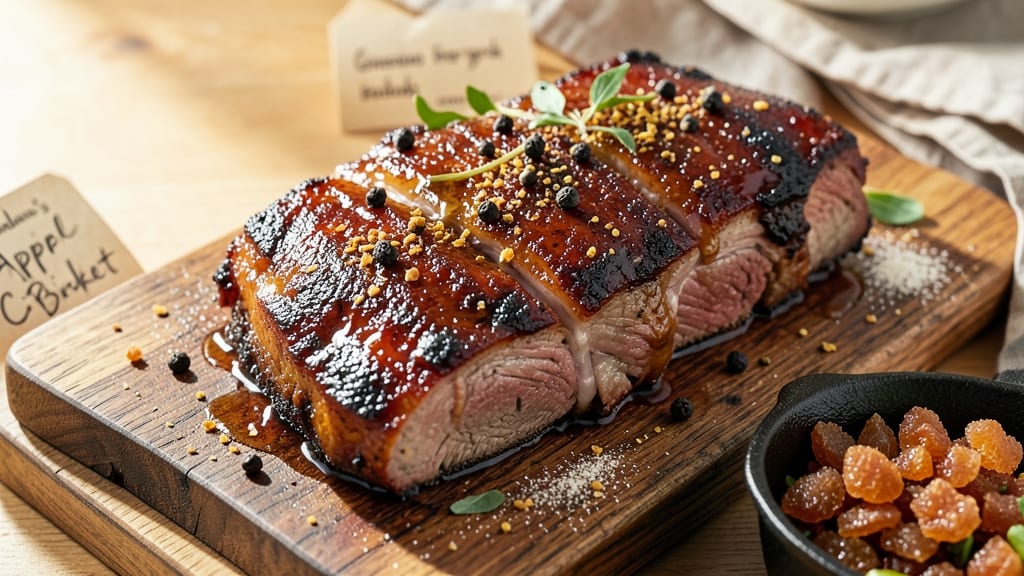
This apple cider vinegar brisket spray recipe transforms tough brisket into melt-in-your-mouth perfection with a crackling bark that’s impossible to resist. The secret lies in the spray—applied at just the right moment—creating a tender, juicy interior while locking in smoky flavors and developing that coveted crust.
I’ve perfected this technique over years of smoking competitions, and it’s now my go-to method for brisket that wins over crowds every time.
The vinegar spray isn’t just about flavor—it’s a game-changer for texture and moisture control. Applied during the final stages of cooking, it tenderizes the meat while promoting a deep, caramelized bark that’s both crisp and slightly sticky.
This recipe works equally well on a smoker, grill, or even in the oven, making it adaptable for any cookout or holiday feast. The result? Brisket so tender it falls apart with the slightest pressure, all while maintaining that perfect balance of smoky, tangy, and sweet.
What sets this method apart is the precision of the vinegar application—timing is everything. Too early, and you risk steaming the meat; too late, and you miss the bark-building window.
I’ll walk you through the exact moments to spray, along with the full prep and cooking process, so you can achieve restaurant-quality brisket at home. Whether you’re feeding a crowd or treating yourself to a solo smoke session, this technique guarantees a brisket that’s worth every minute of wait time.
The best part? This brisket pairs beautifully with classic sides like tangy pickles, creamy mac and cheese, or a rich au jus for dipping. The vinegar spray’s bright acidity cuts through the richness, creating a harmonious bite that keeps everyone reaching for seconds.
Let’s get started—your next brisket masterpiece is just a spray away.
Ingredients for apple cider vinegar spray for brisket
Six pounds of brisket and a spray that turns tough meat into melt-in-your-mouth perfection.
| Ingredient | Amount | Notes |
|---|---|---|
| Beef Brisket 🥩 | 8 lb | Flat cut preferred, trimmed of excess fat |
| Apple Cider Vinegar 🍏 | 1 cup | Raw, unfiltered preferred for depth |
| Brown Sugar 🍚 | ½ cup | Light or dark, packed |
| Smoked Paprika 🌶️ | 2 tbsp | For authentic smoky flavor |
| Black Peppercorns 🌶️ | 1 tbsp | Freshly cracked for intensity |
| Garlic Powder 🧄 | 1 tbsp | Not garlic salt |
| Onion Powder 🧅 | 1 tbsp | For depth of flavor |
| Mustard Powder 🍯 | 1 tsp | Adds tangy complexity |
| Wood Chips (Hickory or Oak) 🌳 | 2 cups | Soaked for 30 minutes |
| Yellow Onion 🧅 | 1 whole | Quartered for au jus base |
| Beef Broth 💧 | 2 cups | Low-sodium preferred |
| Water 💧 | 1 cup | For spray consistency |
| Kosher Salt 🧂 | 1 ½ tbsp | Diamond Crystal preferred |
| Worcestershire Sauce 🍶 | 1 tbsp | For umami depth |
The brisket is the star—look for well-marbled flat cuts at your butcher shop or grocery store's meat counter. Costco or Whole Foods often carry high-quality briskets pre-trimmed, which saves time. If you're buying whole, trim the fat to about a quarter-inch thickness—this helps the bark form evenly. Apple cider vinegar isn't just any vinegar: raw, unfiltered brands like Bragg's or local orchard varieties have more flavor complexity. The wood chips? Hickory for classic BBQ smoke, oak for a milder touch—soak them for at least 30 minutes before using.
No apple cider vinegar? White vinegar or malt vinegar in a pinch, but the flavor won't be as rich. Running short on brown sugar? Honey or maple syrup at half the amount works, though it'll be slightly sweeter. The spices are non-negotiable for that authentic bark—Penzeys or bulk bins are best for quality. Worcestershire sauce contains anchovies, so if you're avoiding those, vegetarian Worcestershire or an extra dash of soy sauce will do. For the spray consistency, mix the vinegar and water first, then add the dry ingredients—this prevents clumping when you shake it up.
This spray keeps 1 week in the fridge if stored in a clean spray bottle—shake well before each use. The brisket itself reheats beautifully: wrapped in foil in a 300°F oven for 30 minutes brings it back to perfection. I always make a double batch of spray—one for immediate use, one to stash in the freezer for up to 3 months. The au jus base? Strain and reduce it to thicken—perfect for dipping or basting.
Why You'll Love This Recipe
- Spray-and-Forget Magic: I swear by this trick—just mist the brisket with apple cider vinegar before seasoning, and the acid tenderizes while you prep the rest. No extra bowls, no fuss, just done.
- Sweet-Smoky Tang: That brown sugar and smoked paprika blend? It caramelizes into a sticky, smoky crust while the vinegar keeps the meat juicy. Honestly, the first bite makes me close my eyes.
- Tailgate or Tuesday: Whether it’s a backyard cookout or a lazy Sunday, this spray works for any brisket—whole, sliced, or even shredded. (Yes, even on a Tuesday night.)
- Leftovers That Don’t Suck: The vinegar spray keeps the brisket moist for days, so sandwiches or reheated slices stay tender. My freezer’s always stocked with this—because nobody wants dry, sad meat.
Step-by-step instructions for smoky apple cider vinegar brisket
Here's how to create that legendary crackling bark using apple cider vinegar spray.
Prepare the Brisket and Initial Rub
Start by trimming the 8 lb beef brisket to remove any excess fat, leaving about ¼ inch thickness on the fat cap. This ensures even cooking and a better bark. Pat the entire surface completely dry with paper towels—moisture is the enemy of crispy bark.
In a small bowl, combine the 2 tbsp smoked paprika, 1 tbsp garlic powder, 1 tbsp onion powder, 1 tsp mustard powder, and 1.5 tbsp kosher salt. Mix well to create your dry rub. Generously coat the entire brisket with this mixture, pressing it into the meat so it adheres well. Let the brisket sit at room temperature for 30 minutes before smoking—this helps the rub penetrate and the meat cook more evenly.
Create the Apple Cider Vinegar Spray
In a clean spray bottle, combine the 1 cup apple cider vinegar and 1 cup water. Shake gently to mix. This simple spray is what creates that signature crackling bark. The acidity in the vinegar helps break down proteins on the surface, creating a crispy crust that's unmatched.
Keep this spray bottle handy—you'll use it throughout the cooking process. The key is to apply it in short bursts, not soaking the brisket. Think of it like misting a plant—just enough to dampen the surface without making it wet.
Smoke the Brisket and Apply the Spray
Set up your smoker with the 2 cups wood chips (hickory or oak) and preheat to 225°F. Place the brisket fat-side up on the smoker grate. Smoke for 2 hours without disturbing it. This initial period allows the rub to set and the meat to begin rendering fat.
After 2 hours, spray the brisket with a light mist of the apple cider vinegar spray. Then increase the smoker temperature to 250°F. Continue smoking, spraying every 30 minutes with the vinegar mixture. You'll notice the bark starting to form—it should look dark and slightly sticky at first, then develop into that coveted crackling crust.
Monitor and Maintain the Bark
Keep smoking the brisket, spraying every 30 minutes, until the internal temperature reaches 165°F. This typically takes 6-8 hours total. The bark should be deep mahogany in color and crackle when you touch it lightly with tongs—this is your signal that it's developing perfectly.
Once the brisket hits 165°F, you'll hit "the stall" where the internal temperature stops rising. This is normal. Continue smoking and spraying as before, but reduce the frequency to every 45 minutes. The bark will continue to darken and crisp up during this phase.
Finish and Rest the Brisket
When the internal temperature reaches 203°F and the bark is deep, dark, and crackling, remove the brisket from the smoker. Let it rest in a warm oven (170°F) for 1 hour. This resting period allows the juices to redistribute throughout the meat, ensuring every slice is moist and flavorful.
While resting, prepare your au jus by combining the quartered yellow onion, 2 cups beef broth, and 1 tbsp Worcestershire sauce in a saucepan. Simmer for 20 minutes, then strain. Slice the brisket against the grain into ½-inch thick slices and serve with the au jus on the side for dipping.
Pro Tips For Making Apple Cider Vinegar Spray For Brisket
- Spray in Layers: Don’t drown the brisket—apply the apple cider vinegar spray in 3-4 light coats, letting each one sink in before the next. I used to dump the whole bottle at once, and the bark turned soggy instead of crisp. Give it 5 minutes between sprays, especially if you’re smoking.
- Use Raw Sugar: Brown sugar clumps when wet, so swap in raw sugar for the spray mix—it dissolves cleaner and caramelizes faster. My first time, I didn’t bother, and the spray just slid off the brisket like syrup. Trust me, the effort is minimal, but the result is worth it.
- Peppercorns First: Crush the black peppercorns before mixing them into the spray—whole ones won’t infuse properly. I learned this after tasting a brisket where the pepper hit like random specks instead of a smooth, spicy depth. A mortar and pestle works, but a rolling pin in a ziplock bag does the job too.
- Chill the Spray: Store the vinegar mix in the fridge for 30 minutes before using—it thickens slightly and clings better to the meat. Warm spray runs off too fast, and you’ll end up reapplying twice as much. Cold also keeps the brisket from steaming under the bark, which is how you get that perfect snap.
Wine and beer pairings for this recipe
Red Wine Harmony
For brisket with apple cider vinegar spray, I reach for a bold red that stands up to the smoky depth while complementing the vinegar's tang. A Zinfandel from California—especially one from Paso Robles—has the perfect balance of dark fruit and spice to mirror the bark's complexity.
The acidity in the wine cuts through the richness, just like the vinegar spray does on the meat. 🍷
If you prefer something slightly lighter, a Chianti from Tuscany brings bright acidity and cherry notes that refresh your palate between bites. Avoid heavy Cabernets—they can overpower the delicate vinegar notes in the bark.
I always keep a bottle of Louis M. Martini Cabernet Sauvignon on hand for special occasions, but it's not my first choice for this dish.
Beer Pairings
A crisp American Pale Ale with citrusy hops cleanses the palate beautifully between bites of vinegar-sprayed brisket. I love Allagash White for its wheat beer brightness and coriander notes that echo the apple cider flavor. The effervescence helps reset your taste buds after each rich bite. 🍺
For a more robust option, try a smoked porter—the caramel and coffee notes complement the brisket's smokiness while the slight sweetness balances the vinegar's acidity. Founders Kentucky Breakfast Stout is my go-to when I want something heartier that still pairs well with the spray's tang.
Non-Alcoholic Options
For a refreshing non-alcoholic match, I recommend sparkling apple cider—the effervescence and apple notes create a perfect harmony with the vinegar spray. Look for brands like Martinelli's Sparkling Cider—it's lightly sweetened and has just enough fizz to complement the brisket's texture.
Another great choice is ginger beer—the spicy kick from the ginger enhances the bark's crackle while balancing the vinegar's acidity. Brew Dr. Brown's Ginger Beer is my favorite for its bold flavor without being overly sweet.
Serving Temperature
Always serve both wine and beer slightly chilled—around 50-55°F for reds and 40-45°F for beers. This temperature range preserves the drink's flavors while enhancing the brisket's smoky notes.
I keep my wine in an ice bucket for 10-15 minutes before serving to achieve the perfect temperature without diluting the flavors.
For the perfect pairing experience, I like to serve the brisket with a small glass of wine or beer first, then let guests enjoy their drink alongside each bite. This allows the flavors to build gradually rather than overwhelm at once. 💫
Nutrition facts
Frequently asked questions
Why does the apple cider vinegar spray create a better bark?
The vinegar's acidity breaks down the meat's surface proteins, creating a perfect foundation for that coveted crackling crust. It also helps control moisture while promoting caramelization—key for developing deep, smoky bark. The spray's tangy notes even enhance the brisket's flavor profile!
Can I use this spray on other meats besides brisket?
The spray works wonders on pork shoulder, ribs, or even chicken thighs. The acidity tenderizes and adds flavor to any protein. For chicken, reduce cooking time to 3-4 hours at 275°F with frequent spraying.
What if I don't have apple cider vinegar?
Use white vinegar or malt vinegar in a pinch—they'll still help develop bark, though the flavor won't be as rich. For best results, stick with raw apple cider vinegar's complexity. The water-to-vinegar ratio should remain 1:1 for proper spray consistency.
How do I know when the bark is done?
Look for a deep mahogany color and a crackling sound when touched lightly with tongs. The bark should also peel back slightly in places. Internal temp should reach 203°F—this combo of visual cues and temperature confirms perfect doneness.
Can I make the spray ahead of time?
Yes! Store the spray in a clean spray bottle in the fridge for 1 week or freeze for 3 months. Shake well before each use. The vinegar's potency remains strong when properly stored, making it ready whenever you need that signature bark!