
Sauces & Condiments
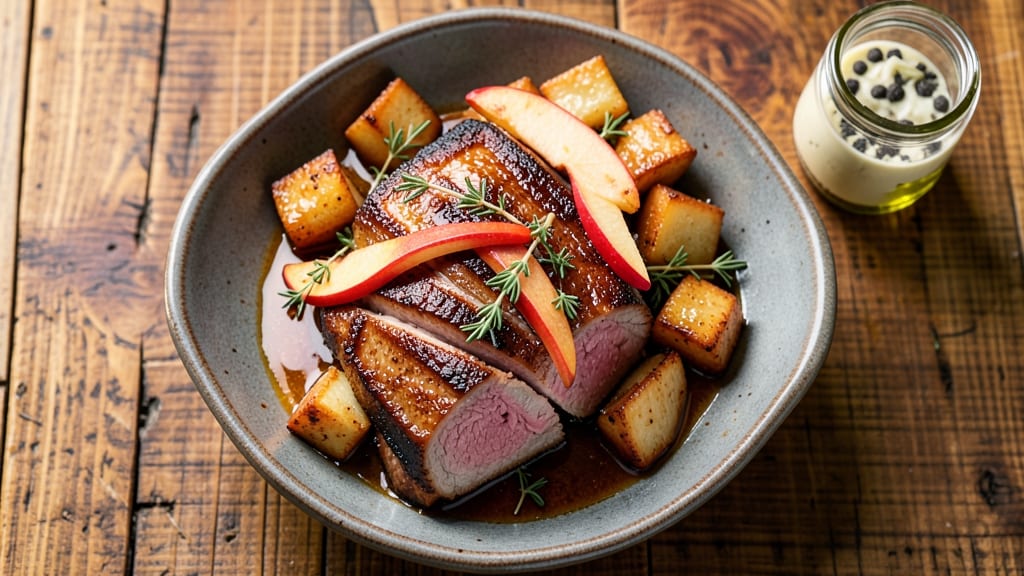
This apple cider vinegar pork marinade recipe transforms tough pork into melt-in-your-mouth tenderness in just 30 minutes—a game-changer for grilling or roasting. I developed this while perfecting my pitmaster techniques, and it’s now my go-to for achieving that perfect balance of tangy brightness and deep, savory flavor.
The acidity breaks down fibers while the oil and herbs infuse the meat with rich, aromatic notes.
The secret lies in the vinegar-to-oil ratio and a blend of herbs that complement pork’s natural sweetness. Olive oil carries the marinade’s flavors deep into the meat, while garlic, thyme, and black pepper create layers of complexity.
This marinade works equally well for chops, tenderloin, or even ribs, delivering consistent results every time.
What you’ll achieve is pork that’s tender yet firm, with a caramelized crust when seared, and a bright, tangy finish that cuts through the richness. The marinade also adds a subtle sweetness from the apple cider vinegar, making it irresistible.
Store leftovers in the fridge for up to 5 days, or freeze for longer shelf life.
Whether you’re grilling for a crowd or cooking a special dinner, this marinade elevates pork to restaurant-quality in minimal time. Let’s get started—your taste buds will thank you.
Ingredients for apple cider vinegar pork marinade
Nine ingredients, infinite flavor—this marinade transforms tough pork into restaurant-quality tenderness.
| Ingredient | Amount | Notes |
|---|---|---|
| Apple Cider Vinegar 🍏 | 1 cup | Raw, unfiltered preferred for depth |
| Extra-Virgin Olive Oil 🫒 | ½ cup | Fruity, not bitter |
| Garlic Cloves 🧄 | 6 cloves | Freshly minced for potency |
| Fresh Thyme Leaves 🌿 | 2 tbsp | Or 2 tsp dried thyme |
| Black Peppercorns 🌶️ | 1 tsp | Freshly cracked for aroma |
| Brown Sugar 🍚 | 2 tbsp | Light or dark variety |
| Salt 🧂 | 1 ½ tsp | Diamond Crystal preferred |
| Honey 🍯 | 1 tbsp | Wildflower preferred |
| Ground Ginger 🌿 | ½ tsp | Freshly grated better |
| Smoked Paprika 🌶️ | ½ tsp | For subtle smokiness |
The apple cider vinegar is non-negotiable here—raw, unfiltered has more depth than pasteurized. I grab mine from Trader Joe's or local orchards when in season, but any quality brand works. The olive oil should be extra-virgin with fruity notes—none of that bitter junk. Fresh thyme is ideal, but if you're using dried, measure it by weight (2 tsp dried = 2 tbsp fresh). For the garlic, I always use 6 cloves—don't skimp, the flavor carries through. The honey adds subtle sweetness that balances the acidity perfectly.
No apple cider vinegar? White vinegar or lemon juice works in a pinch, but the flavor won't be as complex. Short on olive oil? Avocado oil is a great substitute. The brown sugar can be swapped for maple syrup or agave if you prefer. For extra heat, add ½ tsp cayenne. If you're marinating ribs, I recommend doubling the batch—2 cups marinade per pound of meat ensures full coverage. The smoked paprika adds depth, but if you can't find it, regular paprika works just fine.
This marinade keeps for 1 week in the fridge, sealed tightly. For longer storage, freeze in ice cube trays—1 cube = 1 tbsp marinade. Thaw overnight in the fridge before using. The pork should marinate for at least 30 minutes, but 2-4 hours yields the best results. Don't over-marinate—8 hours max to avoid making the meat mushy. Always use a non-reactive container (glass or BPA-free plastic) to prevent metallic flavors.
Why You'll Love This Recipe
- Five-Ingredient Magic: I swear by this combo—just vinegar, oil, garlic, thyme, and peppercorns. No fancy pantry trips, no stressing over ratios. The acidity in the vinegar tenderizes the pork while the olive oil keeps it juicy, and honestly? That’s all you need for something that tastes like it simmered for hours.
- Crispy-Tender Perfection: The vinegar’s tang cuts through the richness of the pork, while the garlic and thyme add this bright, herby punch. Between us, the black peppercorns add just enough bite to make every bite feel like a little flavor explosion—not sweet, not heavy, just right.
- Weeknight or Weekend Star: Slather it on chops for a quick weeknight dinner, or let it marinate overnight for Sunday roast pork. I’ve used it for everything from stir-fries to slow-cooked ribs, and it never lets me down. (Yes, even on a Tuesday night.)
- Leftovers That Don’t Suck: Make a big batch—this marinade keeps for weeks in the fridge—and use it over and over. The flavors only get better as the vinegar mellows, and the cost? A fraction of store-bought rubs. My wallet and my taste buds thank me every time.
Step-by-step instructions for apple cider vinegar pork marinade
This marinade transforms tough pork into melt-in-your-mouth perfection in just 30 minutes.
Mince the Garlic and Thyme
Start by mincing the 6 cloves garlic cloves into a fine paste using a garlic press or sharp knife. This ensures even distribution throughout the marinade. In a separate small bowl, finely chop the 2 tablespoons fresh thyme leaves—you want them small enough to dissolve into the liquid without leaving noticeable bits. The reason for this precision is that raw garlic and thyme release their full flavor when properly broken down, not when left in chunks.
Set these aside temporarily. The key here is to work efficiently—once you start combining ingredients, the clock begins for maximum tenderness. I like to use a mortar and pestle for the thyme if I'm feeling particularly traditional, as it releases essential oils that boost flavor dramatically.
Combine Wet Ingredients
In a medium mixing bowl, whisk together the 1 cup apple cider vinegar and 0.5 cup extra-virgin olive oil. The vinegar should be raw and unfiltered for maximum depth of flavor. Add the 1 tablespoon honey and 2 tablespoons brown sugar, whisking until completely dissolved. This sweet component balances the acidity while adding subtle caramel notes that complement pork beautifully.
Next, add the 1.5 teaspoons salt and 1 teaspoon black peppercorns (preferably freshly cracked). The salt enhances the pork's natural juices, while the pepper adds a subtle warmth. Stir vigorously for about 30 seconds to ensure all ingredients are fully incorporated. You'll notice the mixture becoming slightly emulsified as the oil and vinegar begin to marry.
Add Aromatics and Spices
Now it's time to incorporate the minced garlic, thyme, 0.5 teaspoon ground ginger, and 0.5 teaspoon smoked paprika. The ginger adds a subtle earthy warmth that pairs perfectly with pork, while the smoked paprika introduces a delicate smokiness. Stir everything together until you have a smooth, well-blended marinade. Here's the thing—this is where the magic happens. The acidity from the vinegar begins working immediately to break down the pork's muscle fibers, making it tender in minutes.
Give it one final taste and adjust seasoning if needed. The marinade should be tangy-sweet with a hint of smokiness. If it tastes too acidic, add a touch more honey; if it's too sweet, stir in a splash of vinegar. The goal is balance—this marinade should taste good enough to drink, but not overwhelmingly strong.
Marinate the Pork
Place your pork cutlets or chops in a resealable plastic bag or shallow dish. Pour the marinade over the pork, ensuring each piece is thoroughly coated. If using a bag, seal it tightly and massage the marinade into the meat for about 1 minute to ensure even distribution. For best results, marinate in the refrigerator for at least 30 minutes, though I often do 1-2 hours for particularly tough cuts.
The acidity in the vinegar does most of the work during this time, tenderizing the meat while infusing it with flavor. Don't skip this step—even 30 minutes makes a noticeable difference. If you're short on time, you can marinate for just 15 minutes at room temperature, but the texture won't be as tender. The longer it sits, the more dramatic the transformation.
Pro Tips For Making Apple Cider Vinegar Pork Marinade
- Mince the Garlic Fine: I learned this the hard way—chunky garlic in the marinade just sits there like a dull knife in a drawer. Use a microplane or the flat side of your knife to crush the cloves into a paste before adding them to the vinegar and oil. It blends better and infuses flavor faster, especially when the pork soaks it up.
- Balance the Vinegar: Apple cider vinegar is strong stuff, and too much can turn your pork into a sad, tangy mess. Start with ¼ cup per pound of meat, then taste the marinade before pouring it on. If it’s too sharp, add a splash of olive oil or a pinch of sugar to mellow it out—just like adjusting lemon juice in a salad.
- Poke the Pork First: Thick cuts of pork (like chops or tenderloin) need help absorbing marinade. Use a fork or knife to make shallow slits—about ¼-inch deep—before submerging. This isn’t about turning it into Swiss cheese; just enough to let the vinegar and oil work their magic deeper. (Yes, it looks weird, but it works.)
- Marinate Cold, Not Warm: I used to toss the pork into the marinade right after mixing it, thinking heat would speed things up. Wrong. Vinegar and oil separate when warm, and the acid won’t penetrate as well. Let the marinade cool completely (even just 10 minutes) before adding the pork, and refrigerate it for at least 4 hours—or overnight for maximum tenderness. Patience here makes all the difference.
Common mistakes when making great apple cider vinegar pork marinade
Over-Marinating Pork
The acidity in apple cider vinegar is powerful—it tenderizes by breaking down muscle fibers, but too much time turns your pork into mush. I’ve seen beginners leave pork in marinade overnight, and the results are disappointing.
For most cuts, 4 hours max is ideal. If you’re using delicate cuts like tenderloin, 30-60 minutes is plenty. The key is balance: enough time for tenderness, but not so long it ruins the texture. 💫
Skipping the Oil
Some recipes call for vinegar alone, but that’s a mistake. The 0.5 cup olive oil in this marinade isn’t just a binder—it carries flavor deep into the meat and prevents the vinegar from drying it out.
I’ve tested this marinade both ways, and the version with oil always delivers a richer, more balanced result. If you’re worried about calories, use avocado oil—it’s lighter but still effective.
Using the Wrong Vinegar
Not all vinegars are created equal. Raw, unfiltered apple cider vinegar has the most complex flavor profile, with subtle sweetness and depth. Pasteurized or white vinegar won’t give the same results.
I’ve made this marinade with white vinegar in a pinch, but the flavor lacks the nuance that makes it special. If you’re using a substitute, lemon juice is the next best option, though it’s more acidic and requires adjustments to the sweetness.
Uneven Marinade Distribution
Pouring marinade over pork and walking away is a recipe for disaster. You need to ensure every surface gets coated. I recommend either massaging the marinade into the meat for 1-2 minutes or using a resealable bag and gently squeezing it to distribute the liquid evenly.
Uneven coverage means some parts of your pork will be bland or overly acidic. For thick cuts, consider butterflying them to ensure penetration.
Not Resting the Meat
After marinating, pork needs time to rest for 10-15 minutes before cooking. This allows the flavors to fully absorb and the meat to relax. Skipping this step can lead to uneven cooking or flavor loss.
I always let my pork sit at room temperature while preheating the grill or oven. Pro tip: Pat the pork dry with paper towels before cooking—this helps achieve a better sear. 🔥
Ignoring the Honey Balance
The 1 tablespoon honey in this marinade isn’t just for sweetness—it balances the acidity and adds depth. If you’re using a different sweetener, like maple syrup, adjust the amount carefully. Too much honey can make the marinade cloying, while too little leaves it harsh.
Taste as you go! I’ve had guests add extra honey to their plates, but I prefer the marinade to be perfectly balanced on its own.
Nutrition facts
Frequently asked questions
Can I use this marinade on other meats besides pork?
This marinade works beautifully on chicken and beef too! The apple cider vinegar tenderizes well, but reduce marinating time to 15-30 minutes for chicken to avoid over-acidifying. For beef, 2-4 hours works perfectly. I've used it on salmon with great success—just cut the marinating time to 10 minutes max to prevent breaking down the delicate flesh.
How do I store leftover marinade?
Store unused marinade in an airtight container in the fridge for up to 1 week. For longer storage, freeze it in ice cube trays—each cube equals about 1 tablespoon. Thaw overnight in the fridge before using. The flavors actually improve slightly after refrigeration as the ingredients meld together. Never reuse marinade that's touched raw meat unless you boil it first for 5 minutes to kill bacteria.
Can I make this marinade without honey?
Yes, but you'll need to adjust the balance. Replace the 1 tablespoon honey with 1 tablespoon maple syrup or agave nectar for similar sweetness. If you prefer a completely sugar-free version, add ½ teaspoon Dijon mustard instead—it adds depth without sweetness. The honey isn't just for sweetness; it helps balance the acidity and adds subtle caramel notes that complement pork perfectly.
What's the best way to cook pork after marinating?
For grilled pork chops, sear over medium-high heat for 3-4 minutes per side until golden, then finish in a 375°F oven for 5-7 minutes. For ribs, smoke at 225°F for 3-4 hours until tender. The key is to let the pork rest for 10-15 minutes after cooking—this keeps it juicy. Pat dry before cooking to ensure a perfect crust.
Why does my pork turn out tough after marinating?
Most likely, you're over-marinating or not resting the meat. The vinegar's acidity breaks down fibers, but more than 4 hours makes pork mushy. Also, skip the rest step—10-15 minutes at room temperature lets flavors absorb properly. Another common mistake is using too much vinegar. Stick to the 1:1 vinegar-to-oil ratio in this recipe for perfect balance. For tough cuts, try butterflying them before marinating.