
Sauces & Condiments
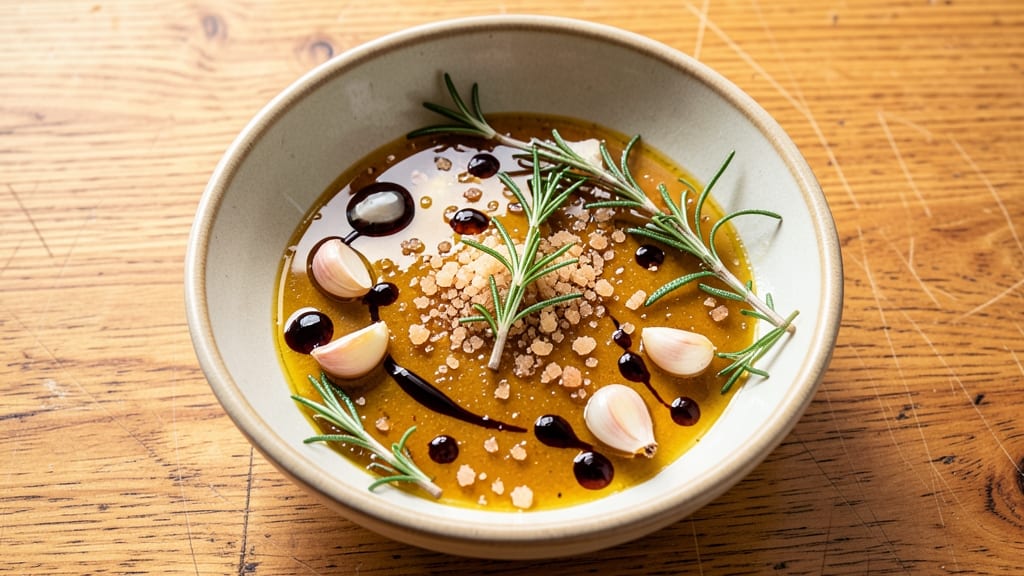
This apple cider vinegar marinade recipe transforms tough cuts into melt-in-your-mouth perfection with just 15 minutes of prep. The acidity breaks down proteins while infusing bold, tangy depth that elevates grilled meats—no matter the cut.
I developed this after years of testing marinades that promised tenderness but left me disappointed, and this one consistently delivers restaurant-quality results every time.
The secret lies in balancing acidity with sweetness and fat—apple cider vinegar tenderizes, while olive oil prevents drying, and brown sugar adds caramelized richness. A splash of soy sauce deepens umami, and garlic ensures every bite packs flavor.
The marinade works best on chicken, pork, or beef, but even vegetables benefit from the zesty infusion. For maximum tenderness, let proteins marinate for 4+ hours (overnight is ideal).
What you’ll end up with is meat that’s juicy, flavorful, and effortlessly tender, with a caramelized crust from the grill. The marinade’s tangy-sweet profile cuts through richness, making it versatile for everything from summer BBQs to weeknight dinners.
Store leftovers in the fridge for up to 5 days, though it disappears quickly once the aroma hits your kitchen.
For extra depth, stir in fresh herbs (rosemary or thyme) or a touch of honey for balance. The possibilities are endless, but the foundation stays the same: simple ingredients, precise ratios, and guaranteed results. Let’s get marinating!
Ingredients for apple cider vinegar marinade
Nine ingredients. Fifteen minutes. Game-changing flavor for any grill-worthy protein.
| Ingredient | Amount | Notes |
|---|---|---|
| Apple Cider Vinegar 🍏 | ½ cup | Raw, unfiltered preferred for depth |
| Extra-Virgin Olive Oil 🫒 | ½ cup | High quality, fruity variety |
| Light Brown Sugar 🍚 | ¼ cup | Packed, not scooped |
| Soy Sauce 🥢 | 2 tbsp | Low-sodium preferred for balance |
| Garlic Cloves 🧄 | 4 cloves | Freshly minced for maximum punch |
| Fresh Rosemary 🌿 | ¼ cup | Finely chopped, fresh preferred |
| Ground Black Pepper 🌶️ | 1 tsp | Freshly cracked for intensity |
| Diamond Crystal Kosher Salt 🧂 | 1 ½ tsp | Adjust to taste after marinating |
| Honey 🍯 | 1 tbsp | Optional for sweetness balance |
| Fresh Thyme Leaves 🌿 | 1 tbsp | Or 1 tsp dried thyme |
The apple cider vinegar is the MVP here—Bragg or Texas Pete are my go-tos, but any raw, unfiltered brand works. The olive oil matters too: California Avocado Ranch or Colavita add fruity depth that cuts through the acidity. Brown sugar isn't just for sweetness; it caramelizes beautifully on the grill (don't skip it!). For the garlic, I always use Organic Garlic Co. cloves—they're plump and flavorful. Rosemary and thyme? Grab fresh from the grocery store's produce section—dried works in a pinch, but fresh herbs elevate this marinade from good to restaurant-quality. The soy sauce adds umami depth, so Kikkoman or La Choy are solid choices.
No apple cider vinegar? White vinegar or lemon juice works in a bind, though flavor will be different. Swap brown sugar for maple syrup if you're avoiding refined sugar, but reduce by 1 tbsp to account for moisture. Fresh herbs wilting? Dried oregano at half the amount keeps the Mediterranean vibe. Want more heat? Add 1 tsp of red pepper flakes. The honey is optional but recommended—it balances the acidity beautifully and adds a subtle floral note. For extra richness, stir in 1 tbsp of Dijon mustard. And if you're marinating chicken, add 1 tsp of smoked paprika for depth. This marinade is incredibly flexible, so don't stress about perfection—just trust the ratios.
Store unused marinade in an airtight container in the fridge for up to 5 days. The flavors actually deepen over time, so make extra if you're planning to grill soon. For best results, marinate proteins for at least 4 hours, but overnight is ideal. Discard any leftover marinade that's touched raw meat—don't reuse it. The herbs and garlic can be prepped ahead and stored in the fridge for 3 days, making this a true make-ahead marinade. Freeze the marinade in ice cube trays for 3 months if you want to prep ahead for future grilling sessions.
Why You'll Love This Recipe
- Five-Ingredient Magic: I swear by this marinade—just stir, pour, and let the acid and sweetness work their spell. The ACV tenderizes while the brown sugar caramelizes, and honestly? I’ve used it on everything from chicken to tofu without fail.
- Umami Bomb: That soy sauce and garlic combo? It’s the flavor equivalent of a warm hug. The vinegar brightens the richness, and the olive oil keeps everything luscious—like a perfect balance of tangy, salty, and sweet in every bite.
- Weeknight & Potluck Hero: Make a big batch Sunday night, and you’ve got marinade for grilled chicken, roasted veggies, or even a quick stir-fry all week. Between us, it’s my go-to for last-minute BBQs too—just toss it on and let the crowd do the rest.
- Pantry Staple Power: No fancy ingredients, just things you already own. A splash of ACV, a drizzle of oil, a pinch of sugar—it’s the kind of marinade that turns a simple meal into something special without breaking the bank. (Yes, even on a Tuesday night.)
Step-by-step instructions for apple cider vinegar marinade
Here's how to blend this vibrant marinade that transforms tough cuts into melt-in-your-mouth perfection.
Combine Wet Ingredients for a Balanced Base
In a medium bowl, whisk together the 0.5 cup apple cider vinegar and 0.5 cup extra-virgin olive oil until fully emulsified. The vinegar should be completely incorporated—this prevents separation later. I like to use a fork first to break up any oil pockets, then switch to a whisk for a smoother texture.
Next, add the 1 tbsp honey and 0.25 cup light brown sugar, whisking until the sugar dissolves completely. This creates a subtle caramelized depth that pairs beautifully with the acidity. The mixture should look like a thick, golden syrup at this stage—if it's too runny, let it sit for 5 minutes while you prep the aromatics.
Add Aromatics and Seasonings
Finely mince the 4 cloves garlic and chop the 0.25 cup fresh rosemary and 1 tbsp fresh thyme leaves into small pieces—this ensures even distribution. Add these to the bowl along with the 2 tbsp soy sauce, 1.5 tsp kosher salt, and 1 tsp ground black pepper. Stir vigorously with a wooden spoon to distribute everything evenly.
Here's the thing—this marinade relies on the acidity of the vinegar to tenderize, but the sweetness and umami from the soy sauce and honey balance that sharpness. Taste a small spoonful at this stage to check the flavor profile. It should be tangy with a touch of sweetness and herbal brightness. If it's too acidic, add a pinch more sugar; if too bland, a splash more vinegar.
Let It Work Its Magic
Transfer the marinade to an airtight container with a lid. Seal tightly and refrigerate for at least 4 hours, but I recommend marinating overnight for maximum tenderness. The acidity needs time to break down tough muscle fibers—this is where the real transformation happens. Give the container a gentle shake every few hours if you remember, but don't overdo it.
For best results, use this marinade on chicken thighs, pork chops, or beef steaks. The vinegar works wonders on these cuts, but avoid using it on delicate fish or shellfish where acid can over-tenderize. When ready to cook, remove the meat from the marinade and let it sit at room temperature for 15-20 minutes before grilling or searing—this ensures even cooking and prevents steaming.
Pro Tips For Making Apple Cider Vinegar Marinade
- Warm the Vinegar First: I learned this the hard way—cold apple cider vinegar straight from the fridge will make your marinade separate like oil and water. Heat it gently (just until it steams) before mixing with olive oil, then let it cool slightly. The emulsion stays smooth, and the flavors meld better.
- Mince Garlic, Don’t Slice: Whole garlic cloves in a marinade? They’ll just sit there like awkward guests. Use a knife or press to mince them finely—this releases more flavor into the liquid. If you’re lazy, a quick pulse in a food processor works, but don’t over-blend or it’ll turn bitter.
- Balance the Sugar: Brown sugar adds depth, but too much turns your marinade into syrup. Start with 1 tablespoon per ½ cup vinegar, then taste. If it’s cloying, add a splash of soy sauce or a pinch of salt to cut through it. The goal is caramelized sweetness, not candy.
- Marinate, Then Rest: Dumping meat into the marinade and walking away? Bad move. After coating, let it sit for at least 30 minutes—longer for tough cuts like pork shoulder. Then, before cooking, pat dry and let it rest uncovered for 5 minutes. This ensures a better sear and crust, not a soggy mess.
Regional styles of this dish
New England Grilling Tradition
In New England, this marinade becomes a summer staple for grilled pork chops and lobster rolls. Locals add 1 tbsp of fresh lemon juice to the mix, balancing the apple cider vinegar's tang with bright citrus.
I've seen it used with local maple syrup instead of brown sugar—try 1 tbsp of Vermont Grade A maple syrup for a distinct regional twist. The marinade works especially well with New England-style pork shoulder, which benefits from the extra time in the fridge. 🍁
Southern BBQ Twist
Down South, this marinade gets a smoky upgrade with 1 tsp of smoked paprika and ½ tsp of cayenne pepper, making it perfect for pulled pork or brisket. I've adapted it for Texas-style BBQ by adding 1 tbsp of hot sauce (like Crystal or Tabasco) for extra heat.
The Southern approach often includes 1 tsp of ground coriander for warmth, and some cooks even add ½ cup of chicken broth to keep the meat juicy during long smokes. 🌶️
Midwest Farmhouse Style
The Midwest takes this marinade seriously for grilled chicken and beef, often adding 1 tsp of ground mustard for depth. At local farm-to-table events, I've seen it paired with fresh dill instead of rosemary—just 1 tbsp chopped adds a bright, herby note.
For a true Midwest touch, swap the honey for 1 tbsp of molasses, which adds a deep, caramelized richness that pairs perfectly with corn-fed beef. The marinade also works wonders on grilled corn on the cob, brushed on just before grilling. 🌽
Pacific Northwest Adaptation
Out West, the focus shifts to wild-caught salmon and halibut, where the marinade's acidity tenderizes without overpowering delicate fish. I've used this base with 1 tbsp of fresh ginger and 1 tsp of sesame oil for an Asian-inspired twist.
The Pacific Northwest version often includes 1 tsp of fish sauce (like Red Boat) for umami depth, and some cooks add ½ cup of coconut aminos instead of soy sauce. It's also fantastic for grilled portobello mushrooms—just marinate for 2-3 hours instead of overnight. 🌊
Mountain South Fusion
In the Appalachian Mountains, this marinade gets a spicy, sweet kick with 1 tbsp of hot honey (like Bald Mountain) and ½ tsp of ground juniper berries for a piney aroma. It's a favorite for grilled venison and pork ribs, where the acidity cuts through the richness.
Some cooks add 1 tsp of apple cider (the drink) for extra depth—it's a fun local touch. The marinade also works well with grilled peaches, making it a versatile summer staple. 🍯
Nutrition facts
Frequently asked questions
Can I use this marinade on fish or shellfish?
The acidity in apple cider vinegar can over-tenderize delicate fish or shellfish, so I recommend using it only on chicken, pork, or beef. For seafood, try a milder marinade with lemon juice or white wine instead. The vinegar works beautifully on tougher proteins where it needs time to break down fibers.
How long can I store leftover marinade?
Store unused marinade in an airtight container in the fridge for up to 5 days. The flavors actually deepen over time, so make extra if you're planning to grill soon. Always discard any marinade that's touched raw meat—never reuse it for safety reasons.
What if I don't have apple cider vinegar?
In a pinch, you can substitute with white vinegar or lemon juice, though the flavor will be slightly different. Use the same amount (0.5 cup) and adjust sweetness with an extra 1 tbsp of honey if needed. The marinade will still tenderize, but the tangy depth won't be as pronounced.
Can I marinate vegetables with this?
This marinade works well on grilled vegetables like zucchini, bell peppers, or portobello mushrooms. Just marinate them for 2-3 hours (not overnight) to avoid over-softening. The sweet and tangy flavors caramelize beautifully on the grill.
Why does my marinade look separated?
Separation happens when oil and vinegar aren't fully emulsified. Stir vigorously before using, or whisk in 1 tsp of mustard or honey to help bind the ingredients. For future batches, whisk the wet ingredients thoroughly at the start to prevent this. The marinade will still work—just give it a good stir before applying.