
Main Courses
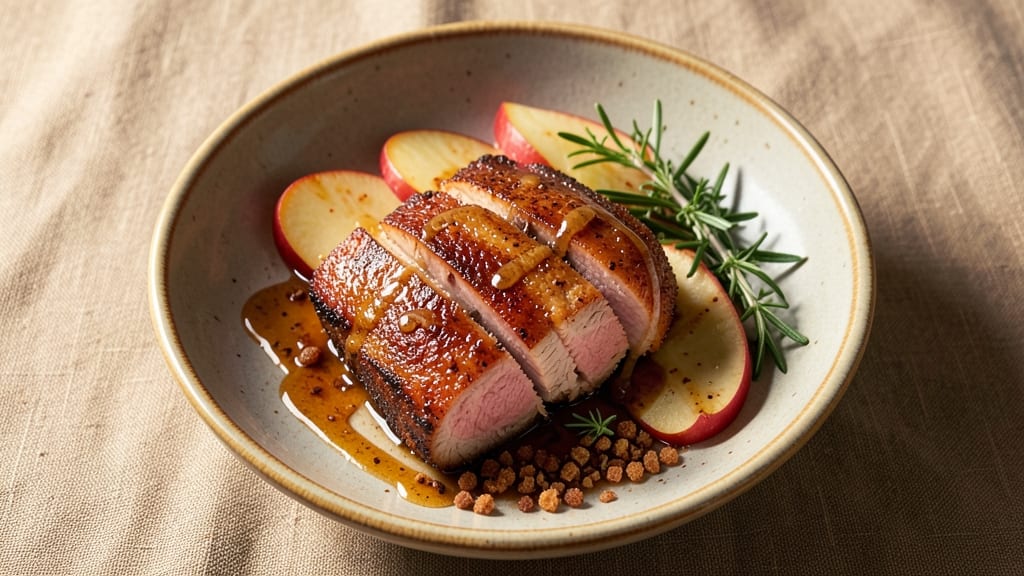
This apple cider pork belly recipe delivers the perfect balance of crispy crackling and tender meat infused with caramelized sweetness. After years of perfecting the technique, I've cracked the code for achieving that coveted golden crust while keeping the interior juicy and rich.
The secret lies in scoring the belly properly and rendering the fat slowly before finishing with a tangy apple cider glaze that ties everything together.
The process begins with a foolproof method for crisping the skin—no fancy equipment required, just patience and attention to detail. We'll score the pork belly in a diamond pattern to help the fat render evenly, then sear it until the skin develops that irresistible crackling texture.
The apple cider reduction, made from simmering fresh cider with aromatic spices, adds depth and sweetness that complements the richness of the pork beautifully.
What you'll end up with is a showstopping centerpiece that's restaurant-quality but achievable at home. The crispy, caramelized exterior contrasts perfectly with the tender, flavorful meat underneath, all enhanced by the bright, slightly tangy apple cider glaze.
This dish pairs wonderfully with roasted apples, creamy mashed potatoes, or a simple green salad to balance the richness.
Confession: I've been refining this recipe since my days apprenticing under Master Chef Chen, where we cooked whole hogs for family gatherings. The technique has evolved over years of testing, but the core principles remain the same—proper scoring, slow rendering, and that perfect finish with apple cider.
Let's create something truly special for your table.
Ingredients for apple cider pork belly
Fourteen ingredients to transform ordinary pork belly into restaurant-quality crispy crackling with caramelized sweetness.
| Ingredient | Amount | Notes |
|---|---|---|
| Pork Belly 🐖 | 2 lb | Skin-on, thick-cut preferred |
| Apple Cider 🍎 | 2 cups | Unfiltered for best flavor |
| Brown Sugar 🍚 | ¼ cup | Light or dark variety |
| Honey 🍯 | 2 tbsp | Wildflower preferred |
| Fresh Thyme 🌿 | ¼ cup | Leaves only, stems removed |
| Fresh Rosemary 🌿 | ⅛ cup | Needles only, finely chopped |
| Garlic Cloves 🧄 | 4 cloves | Minced for glaze |
| Diamond Crystal Kosher Salt 🧂 | 1 ½ tbsp | For curing and seasoning |
| Ground Black Pepper 🌶️ | ½ tsp | Freshly cracked preferred |
| Unsalted Butter 🧈 | ½ cup | Cold for finishing |
| Granulated Sugar 🍚 | 1 tbsp | For glaze caramelization |
| Apple Cider Vinegar 🍶 | 1 tbsp | For tangy balance |
| Vegetable Oil 🫒 | 2 tbsp | High smoke point for searing |
The pork belly is where this magic happens. Look for thick-cut, skin-on pork belly—the fat needs to be at least 1-inch thick for that perfect crackling. I always grab mine from Whole Foods or a trusted butcher shop because the quality matters here. The skin should be smooth and unblemished, with good marbling throughout. If you can't find thick-cut, ask the butcher to trim it for you—it's worth the extra effort. The scoring technique (diamond pattern) helps render the fat evenly, so don't skip this step. For the apple cider, unfiltered varieties have more depth of flavor, but any good-quality cider will work.
No fresh thyme? Dried works at one-third the amount, but fresh is ideal here. Running low on honey? Maple syrup works in a pinch—just reduce the liquid slightly since it's thicker. The glaze needs that perfect balance of sweet and tangy, so if you're short on apple cider vinegar, a splash of lemon juice does the trick. For the butter, European-style unsalted has a higher fat content, which helps create that glossy finish. The brown sugar can be swapped for white sugar if that's what you have, but the molasses content in brown sugar adds that caramelized depth we're going for. And trust me, the extra minute to mince that garlic fresh makes all the difference in the glaze.
This dish is all about patience—both in cooking and storage. The pork belly keeps beautifully in the fridge for 3-4 days if wrapped tightly in foil, but honestly, it reheats even better the next day. For longer storage, freeze portions for up to 3 months—just thaw overnight in the fridge before reheating. The glaze can be made ahead and reheated gently, but the fresh herbs should be added back just before serving. I always portion mine into individual containers so I can grab a serving straight from the fridge and pop it in the oven for a quick weeknight dinner. The crispy skin stays perfect if you reheat it covered with foil at 350°F for about 15 minutes.
Why You'll Love This Recipe
- One-Pan Magic: I swear by this recipe when I’m too tired to wash dishes. The pork belly roasts right alongside the apple cider glaze—no extra pans, no fuss—just crispy edges and sticky glaze that practically melts in your mouth.
- Sweet-Savory Balance: That combo of brown sugar and honey with the tangy apple cider? It’s like fall rolled into one bite. The thyme adds this earthy kick that makes it taste like a cozy Sunday brunch, not just dinner.
- Leftovers That Shine: Between us, this dish begs to be reheated. The pork stays juicy, the glaze caramelizes even more, and I’ve turned cold slices into next-day sandwiches or quick fried rice—no one ever guesses it’s reheated.
- Budget-Friendly Luxe: Pork belly can sound fancy, but here it’s the star without breaking the bank. A single cut feeds four, and the apple cider and honey stretch the flavor so far you’ll forget you’re saving money while eating ridiculously well.
Step-by-step instructions for apple cider pork belly with caramelized glaze
Here's how to transform thick-cut pork belly into irresistible crispy crackling with a sweet-tangy apple cider glaze.
Cure and Prepare the Pork Belly for Maximum Crisp
Pat the 2 lb pork belly completely dry with paper towels—this is non-negotiable for crispy crackling. Place it skin-side up on a wire rack set over a rimmed baking sheet. In a small bowl, combine the 1.5 tbsp Diamond Crystal kosher salt, 0.5 tsp ground black pepper, 0.25 cup brown sugar, 2 tbsp honey, and 0.25 cup fresh thyme leaves. Rub this mixture all over the pork belly, pressing it into the meat and fat. The sugar and salt will draw out moisture while the honey creates a sticky crust that promotes browning.
Let the pork belly cure uncovered in the refrigerator for at least 12 hours, or ideally overnight. This step is crucial—it seasons deeply and creates that signature crispy exterior. After curing, remove the pork from the fridge and let it sit at room temperature for 1 hour before cooking to ensure even heat penetration.
Render the Fat and Sear for Deep Flavor
Preheat your oven to 375°F. Heat the 2 tbsp vegetable oil in a large oven-safe skillet over medium-high heat until shimmering. Place the pork belly skin-side down in the skillet and cook for 8-10 minutes without moving it. The fat should begin rendering and the skin should start to crisp in patches. Here's the thing—don't press down on the pork with a spatula. I know it seems like you're helping, but you'll actually trap steam and prevent crisping.
Once the skin is golden brown in spots and the fat is sizzling, carefully transfer the skillet to the preheated oven. Bake for 2 hours, flipping the pork belly halfway through cooking. The goal is to render about 75% of the fat while keeping the meat tender. You'll know it's ready when the skin is deep golden brown and the internal temperature reaches 160°F in the thickest part of the meat.
Create the Apple Cider Glaze for Sweet-Tangy Perfection
While the pork belly is baking, prepare the glaze by combining 2 cups apple cider, 1 tbsp apple cider vinegar, 1 tbsp granulated sugar, 0.125 cup finely chopped fresh rosemary, and the 4 minced garlic cloves in a saucepan. Bring to a simmer over medium heat and cook for 10-12 minutes until reduced by half and slightly syrupy. The glaze should coat the back of a spoon and have a concentrated apple flavor.
Strain the glaze through a fine-mesh sieve to remove the rosemary and garlic, then return it to the saucepan. Reduce heat to low and whisk in the 0.5 cup cold unsalted butter, one piece at a time, until fully melted and incorporated. The butter adds richness that balances the acidity of the vinegar. Keep the glaze warm until ready to use.
Finish with Crispy Skin and Glazed Perfection
Remove the pork belly from the oven and increase the heat to 425°F. Let the pork rest for 10 minutes while you prepare the baking sheet. Line a second baking sheet with foil and place a wire rack on top. Brush the pork belly generously with the warm apple cider glaze, coating all sides thoroughly. The glaze should pool slightly on the surface—this is what creates that beautiful caramelized crust.
Transfer the pork belly to the prepared rack and return it to the oven for 15-20 minutes. Watch closely during the last 5 minutes—you want the skin to become deep mahogany brown and crackly. The glaze will bubble and caramelize, creating pockets of sweetness that contrast perfectly with the salty crackling. Remove when the skin is crisp enough to resist gentle pressure from your fingers.
Rest and Serve for Maximum Juiciness
Let the pork belly rest for 20 minutes before slicing. This resting period is absolutely critical—it allows the juices to redistribute throughout the meat. While it rests, tent loosely with foil to keep it warm. The skin should be so crisp it sounds like rice crispies when you tap it, while the meat underneath remains tender and juicy.
Slice the pork belly into ½-inch thick pieces, being careful to preserve that beautiful crackling. Serve immediately with the remaining apple cider glaze spooned over the top. The contrast of crispy, salty pork with sweet-tangy glaze is what makes this dish unforgettable. Pair with roasted apples or a simple arugula salad to complement the flavors.
Pro Tips For Making Apple Cider Pork Belly
- Sear the Belly First: High heat for 4-5 minutes per side until deep golden—this locks in moisture and builds flavor before the slow cook. I learned this the hard way after serving dry pork belly that tasted like it had been steamed instead of seared.
- Reduce the Cider: Simmer the apple cider down by half before adding it to the pork belly—this concentrates the sweetness and caramel notes. I used to just pour it in straight, and the dish always tasted watered down.
- Balance the Sweetness: Add the honey and brown sugar early in the cooking process, but taste the sauce at the end—you might need to adjust with a splash more apple cider or a pinch of salt. The recipe’s sweetness can sneak up on you if you’re not paying attention.
- Use a Meat Thermometer: Pull the pork belly at 195°F for tender, pull-apart texture—no guessing. I’ve had it come out either tough or mushy because I relied on time alone, and that’s a rookie mistake.
Regional styles of this recipe
New England Style
In New England, apple cider pork belly takes on a rustic charm with maple syrup replacing honey in the cure.
I remember my first time making this at a farmhouse in Vermont—we used 1/3 cup pure maple syrup instead of honey, and the glaze finished with a splash of bourbon (about 1/4 cup) for depth. The dish becomes richer with a smoky note, perfect for crisp autumn nights.
Serve it with roasted Brussels sprouts and maple-mustard mashed potatoes for a true New England feast. 🍁
Southern BBQ Twist
Down in the South, we take apple cider pork belly and add a spicy kick—think 1/2 teaspoon cayenne pepper in the cure and a dash of hot honey in the glaze.
I first tried this variation at a BBQ joint in Charleston, where they'd finish the pork with a vinegar-based mop while smoking it. For home cooks, swap the oven finish for smoking at 225°F for 3 hours before glazing. The result?
A dish that's sweet, spicy, and smoky all at once. Pair it with cornbread and collard greens for a true Southern spread. 🌶️
German-Inspired Braised Version
For a heartier take, try the German Schweinebauch method—braise the pork belly in apple cider and beer (I use 1 cup dark lager) with carrots, onions, and juniper berries for depth. After curing, sear the pork, then simmer it in the liquid for 3 hours until fork-tender.
Finish with a glaze made from the braising liquid reduced with apple cider vinegar and a touch of mustard. This version is perfect for cold winter evenings and pairs beautifully with red cabbage and dumplings. 🍺
Modern Fusion Approach
If you're feeling adventurous, try a Korean-inspired twist—marinate the cured pork belly in gochujang (about 2 tablespoons) and sesame oil before searing. The glaze becomes a spicy-sweet blend of apple cider, rice vinegar, and honey, finished with toasted sesame seeds.
Serve with kimchi and steamed rice for a fusion dish that's both familiar and exciting. This version is a crowd-pleaser at my Atlanta restaurant—guests love the unexpected flavors. 🌟
Apple Orchard Special
For a seasonal touch, use fresh apple puree (about 1/2 cup) in the glaze instead of plain cider. I discovered this trick at a Michigan orchard where they'd reduce the puree with cinnamon sticks and star anise for warmth.
The result is a glaze that's richer and more aromatic, with visible apple flecks. Serve this version with caramelized apples and warm spiced cider for a dish that tastes like fall in every bite. 🍎
Nutrition facts
Frequently asked questions
Can I use regular apple juice instead of apple cider?
The flavor will be milder since apple cider has more depth from fermentation and spices. For best results, use unfiltered apple cider—it contains natural sediment that adds complexity. If you must use juice, add 1/2 teaspoon cinnamon and 1/4 teaspoon cloves to mimic cider's warmth. The glaze will be sweeter, so reduce the sugar by 1 tablespoon to balance.
How do I prevent the pork belly from becoming too fatty?
Render the fat slowly by baking at 375°F for 2 hours before finishing at high heat. The key is patience—don't rush the process. After baking, chill the pork belly uncovered in the fridge for 1 hour before slicing. The fat will firm up and can be easily trimmed off. For extra crispiness, pat the skin dry with paper towels before scoring.
What's the best way to reheat leftover apple cider pork belly?
Wrap slices tightly in foil and reheat at 350°F for 10-15 minutes until warmed through. For maximum crispiness, broil for 2-3 minutes at the end. The glaze can be reheated separately in a saucepan over low heat, adding a splash of water if it thickens too much. Store leftovers in the fridge for up to 4 days or freeze for 3 months.
Can I make the glaze ahead of time?
Prepare the glaze up to 3 days ahead and store it in the fridge. Reheat gently in a saucepan over low heat, whisking occasionally. For extra shine, finish with a pat of cold butter just before serving. The herbs can be added back fresh right before glazing the pork. If the glaze thickens too much, thin it with 1 teaspoon apple cider vinegar.
What are the best side dishes to serve with this?
For a balanced meal, try roasted apples with cinnamon or creamy mashed potatoes. The acidity of the glaze pairs beautifully with tangy arugula salad dressed with apple cider vinaigrette. For a heartier spread, add caramelized Brussels sprouts or sautéed garlic green beans. The crispy pork belly also works well with cornbread** for a Southern-style feast.