
Sauces & Condiments
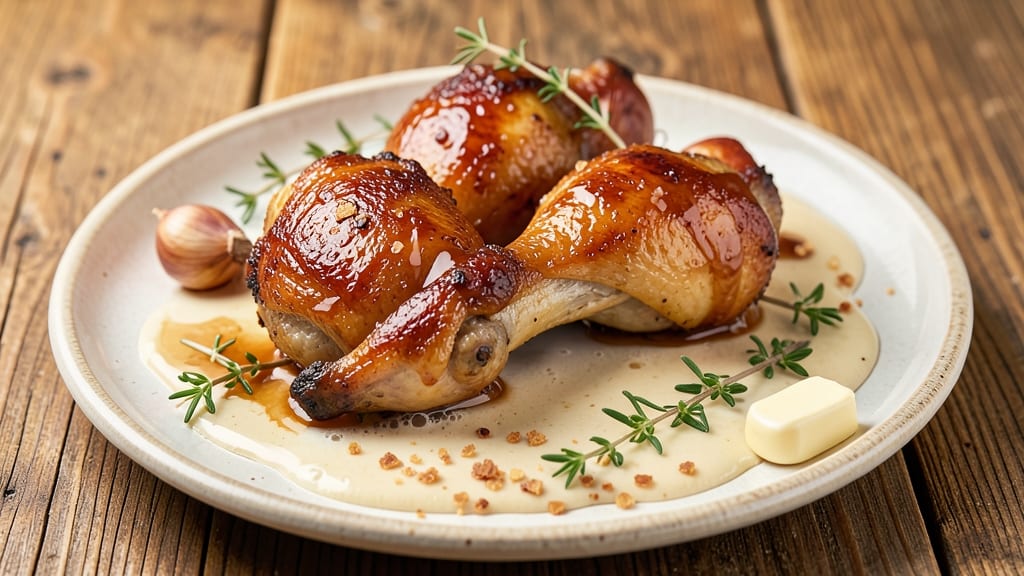
This apple cider glazed chicken thighs recipe delivers crispy skin and a caramelized glaze that balances sweet-tart apple cider with savory herbs. The secret lies in a slow-braised technique that transforms tough thighs into melt-in-your-mouth perfection with a sticky, flavorful crust.
I developed this method after years of testing—each bite delivers that perfect harmony of textures and flavors.
The process begins with a simple marinade of apple cider, garlic, and thyme, which tenderizes the meat while infusing it with aromatic depth. After searing the thighs for a golden crust, they're finished in the oven with the same cider-based glaze, allowing it to reduce into a thick, glossy coating.
The result? Juicy, flavorful chicken with a glaze that's rich enough to drizzle over everything.
What makes this recipe truly special is how the glaze evolves during cooking—starting sweet and tangy, then deepening into a caramelized finish that clings beautifully to the crispy skin.
The combination of oven-braising and glaze reduction ensures maximum flavor without dryness, making this dish both impressive and approachable for weeknight dinners.
Serve these glazed chicken thighs with roasted sweet potatoes or a fresh salad to balance the richness. The leftovers reheat beautifully, too, making this a perfect recipe for meal prep. Let's get started on creating this restaurant-worthy dish at home!
Ingredients for apple cider glazed chicken thighs
Crispy skin and caramelized glaze start with these 12 ingredients—simple yet transformative.
| Ingredient | Amount | Notes |
|---|---|---|
| Bone-In, Skin-On Chicken Thighs 🍗 | 1 ½ lb | Evenly sized for consistent cooking |
| Unsalted Butter 🧈 | ½ cup | Cold, cut into small cubes |
| Apple Cider 🍎 | 1 ½ cups | Unfiltered, preferably organic |
| Garlic Cloves 🧄 | 6 cloves | Minced, for marinade and glaze |
| Fresh Thyme Leaves 🌿 | ½ cup | Chopped, stems removed |
| Brown Sugar 🍚 | ¼ cup | Light or dark variety |
| Dijon Mustard 🌶️ | 1 tbsp | For depth in marinade |
| Olive Oil 🫒 | 2 tbsp | For searing chicken |
| Kosher Salt 🧂 | 1 ½ tsp | Diamond Crystal preferred |
| Black Pepper 🌶️ | ½ tsp | Freshly ground |
| Honey 🍯 | 1 tbsp | For glaze balance |
| Sweet Paprika 🌶️ | ½ tsp | For glaze color |
The chicken thighs are the foundation, and bone-in, skin-on is non-negotiable for that crispy texture. Look for even-sized pieces at Whole Foods or your local butcher—they'll cook more uniformly. The apple cider should be unfiltered for maximum flavor, and Mott's or Woodchuck are reliable brands. Fresh thyme is ideal, but dried works at one-third the amount if you're in a pinch. For the butter, grab Plugrá or Land O'Lakes unsalted—it's worth the few extra cents for the flavor.
No apple cider? Unsweetened apple juice works in a bind, though the glaze won't caramelize as beautifully. Substitute the honey with maple syrup if you're avoiding refined sugar, but reduce the amount slightly since it's sweeter. The Dijon mustard adds depth, but whole-grain mustard gives a slightly different texture. For the glaze, if you're missing the paprika, smoked paprika at half the amount adds a nice twist. The brown sugar can be swapped for coconut sugar for a less processed option, though it has a different caramelization profile.
Store the raw chicken in the coldest part of your fridge, using it within 2 days for best texture. The fresh thyme should be wrapped in damp paper towels and kept in a sealed container for up to 5 days. Once glazed, these chicken thighs reheat beautifully—350°F for 10-15 minutes restores the crispiness. For meal prep, portion the glaze separately and reheat it with the chicken to maintain that glossy finish. The leftovers keep for 4 days in the fridge or 3 months frozen.
Why You'll Love This Recipe
- One-Pan Magic: I swear by this—just toss the thighs, butter, and cider in one pan, then walk away. The skin crisps while the garlic and thyme steep right into the glaze, no flipping or fussing required.
- Caramelized Crunch: That crispy skin gives way to tender meat, all smothered in a sticky-sweet glaze. The butter and apple cider reduce into a glossy finish that’s ridiculously good—like a hug for your taste buds.
- Weeknight to Dinner Party: Same recipe, zero extra work. Serve it with mashed potatoes for a lazy night or platter it with crusty bread for guests. The thyme’s bright note keeps it feeling fresh, no matter the occasion.
- Budget Win: Bone-in, skin-on thighs stretch further than breasts, and apple cider’s cheap at the store. Leftovers? Even better—reheat the glaze in the microwave, and it’s like it just came out of the oven.
Step-by-step instructions for apple cider glazed chicken thighs
Follow this method to achieve perfectly crispy skin with a rich, caramelized glaze every time.
Prepare the Chicken and Marinade
Pat the 1.5 lb bone-in, skin-on chicken thighs completely dry with paper towels—this is crucial for crispy skin. Season both sides generously with 1.5 tsp kosher salt and 0.5 tsp black pepper, pressing the seasoning into the meat. Let the thighs sit uncovered on a wire rack for 30 minutes at room temperature while you prepare the marinade.
In a small bowl, whisk together 1.5 cups apple cider, 1 tbsp Dijon mustard, 6 minced garlic cloves, 0.5 cup chopped fresh thyme leaves, and 0.25 cup brown sugar. This marinade will infuse the chicken with deep, aromatic flavors while tenderizing the meat. Pour half of this mixture into a resealable plastic bag, add the chicken thighs, and massage the marinade over all surfaces. Seal the bag and marinate in the refrigerator for at least 2 hours—overnight is even better for maximum flavor penetration.
Sear the Chicken for Maximum Crispiness
Remove the chicken from the marinade (reserve the remaining marinade for later) and let it sit at room temperature for 10 minutes before cooking. Heat 2 tbsp olive oil in a large oven-safe skillet over medium-high heat until shimmering. Add the chicken thighs skin-side down and cook undisturbed for 6-8 minutes until the skin is deep golden brown and crispy. You'll see the fat rendering beautifully—this is what creates that perfect texture.
Flip the thighs and cook for another 5-6 minutes until the internal temperature reaches 165°F when measured at the thickest part. Transfer the chicken to a plate and tent loosely with foil to keep warm. The residual heat will continue cooking the meat slightly, so don't overcook it here. If the pan isn't completely empty, let it cool for 1 minute—you'll use those precious browned bits for the glaze.
Build the Glaze and Finish Cooking
Reduce the heat to medium and add 0.5 cup cold unsalted butter to the skillet, letting it melt slowly. Pour in the remaining 1 cup reserved apple cider marinade and scrape up any browned bits from the bottom with a wooden spoon—this is where all the flavor lives. Add 1 tbsp honey and 0.5 tsp sweet paprika, then simmer for 3-4 minutes until the mixture thickens slightly and coats the back of a spoon.
Return the chicken thighs to the skillet, skin-side up, and spoon the glaze generously over the top. Cover the skillet and transfer it to a 375°F preheated oven. Bake for 15-20 minutes until the glaze is bubbly and caramelized, and the chicken reaches an internal temperature of 175°F at the thickest part. The skin should be golden and crispy, with a glossy, sticky glaze that clings beautifully.
Rest and Serve with Perfect Texture
Remove the chicken from the oven and let it rest on a cutting board for 5-10 minutes before serving. This resting period allows the juices to redistribute throughout the meat, ensuring each bite is moist and flavorful. The glaze will continue to set slightly as it cools, creating that perfect balance of crispy skin and caramelized sweetness.
Serve immediately with the pan juices spooned over the top. The thighs should have crispy, crackling skin that gives way to tender, juicy meat underneath. The glaze should be rich and slightly sticky, with notes of caramelized apple cider, thyme, and honey. Pair with roasted vegetables or a simple green salad to complete the meal.
Pro Tips For Making Apple Cider Glazed Chicken Thighs
- CRISP THE SKIN FIRST: I used to skip this step and wondered why my thighs stayed rubbery under that sweet glaze. Sear the skin-side down in a cold pan for 10 minutes—no oil needed—until it’s golden and crisp. The fat will render, and the skin will stay intact when you baste with cider later.
- REDUCED CIDER MATTERS: That glaze won’t shine if you just dump cider over the chicken and call it done. Simmer the cider in the pan for 5-6 minutes first—until it’s thick enough to coat the back of a spoon. The deeper flavor and richer texture make all the difference, especially if you’re using store-bought cider (which often tastes flat).
- SALT THE THYME: Fresh thyme is delicate, and it’s easy to forget it needs seasoning too. Toss the thyme leaves in a pinch of salt before adding them to the pan—this keeps them fragrant and prevents them from floating away like tiny green ghosts when you baste.
- BASTE WITH THE JUICES: Don’t just pour cider over the chicken and walk away. Every 2-3 minutes, spoon the pan’s rendered butter and garlic juices over the thighs—this locks in moisture and builds flavor. I learned this the hard way when my first batch turned out dry, despite the glaze looking perfect.
Best sauces and condiments for apple cider glazed chicken thighs
Classic Apple Cider Glaze
The star of this dish is the apple cider glaze, which starts with the same marinade you use for the chicken.
After searing, I reduce 1 cup apple cider with 0.5 cup cold butter, 1 tbsp honey, and 0.5 tsp sweet paprika until it thickens into a glossy syrup. The butter adds richness while the honey balances the acidity of the cider.
Simmer for 3-4 minutes to achieve the perfect consistency—it should coat the back of a spoon but still be pourable. 🍎
Brown Sugar Caramelization
For extra depth, I incorporate 0.25 cup brown sugar into both the marinade and glaze. As the glaze reduces, the sugar caramelizes, creating complex flavors that contrast beautifully with the chicken's savory notes.
The caramelization happens naturally during the oven finish, so no special equipment is needed—just patience. The result is a glaze that's rich, sticky, and packed with flavor.
Mustard-Infused Depth
The 1 tbsp Dijon mustard in the marinade adds a subtle tang that prevents the glaze from becoming overly sweet. It also helps emulsify the glaze, keeping it smooth and cohesive.
For extra complexity, I sometimes add a pinch of smoked paprika to the glaze, which adds a faint smokiness that pairs perfectly with the apple cider's brightness.
Butter's Rich Finish
Cold butter is key for a glossy, velvety glaze. When added to the hot pan, it melts slowly, creating a luxurious mouthfeel. I use 0.5 cup unsalted butter because it allows me to control the saltiness—adding it separately lets me adjust seasoning to taste.
The butter also helps distribute the glaze evenly over the chicken, ensuring every bite is coated in that sweet-tart goodness. 🧈
Honey Balance
The 1 tbsp honey in the glaze is crucial for balancing the acidity of the apple cider. It rounds out the flavors and adds a subtle floral note that complements the thyme and garlic.
If you're avoiding refined sugar, use 1 tbsp maple syrup instead, but reduce the amount slightly since it's sweeter. The honey also helps the glaze cling to the chicken, making each bite irresistible.
Spice Variations
For a smoky twist, swap the sweet paprika for 0.5 tsp smoked paprika in the glaze. If you prefer heat, add a pinch of cayenne pepper to the marinade. For a citrusy kick, zest 1 small orange into the glaze before simmering.
Each variation keeps the glaze's essence while adding a unique flavor dimension that pairs beautifully with the chicken's richness.
Nutrition facts
Frequently asked questions
Can I use boneless chicken thighs instead?
You can, but the texture will differ slightly. Boneless thighs cook faster and won't have the same crispy skin since there's no fat to render. For best results, use bone-in, skin-on thighs—they stay juicier and develop that perfect crackling crust. If using boneless, reduce oven time by 5 minutes and watch closely to avoid overcooking.
How do I make the glaze thicker or thinner?
For a thicker glaze, simmer the cider mixture for 5-6 minutes instead of 3-4 minutes. Need it thinner? Add 1-2 tbsp warm water while simmering. The glaze should coat the back of a spoon but still flow smoothly. Too thick? It'll clump; too thin? It'll pool rather than cling to the chicken.
Can I make this recipe in a slow cooker?
Yes! Sear the chicken first, then transfer it to a slow cooker with the glaze ingredients. Cook on low for 4-5 hours, adding 2 tbsp apple cider if needed to prevent drying. The skin won't be as crispy, but the flavor will be deeply infused. For extra crispiness, broil for 3-5 minutes at the end.
Why is my glaze not caramelizing?
Caramelization needs heat and time. Ensure your oven is at 375°F and the glaze simmers uncovered for the full 15-20 minutes. If it's still pale, add 1 tsp brown sugar and broil for 2 minutes at the end. Avoid covering the skillet during the oven finish—steam prevents browning.
What are the best sides for this dish?
Roasted sweet potatoes or mashed cauliflower balance the richness perfectly. For contrast, try a crisp apple salad with arugula and walnuts, or creamy mac and cheese. The sweet-tart glaze pairs especially well with earthy root vegetables or buttery noodles.