
Main Courses
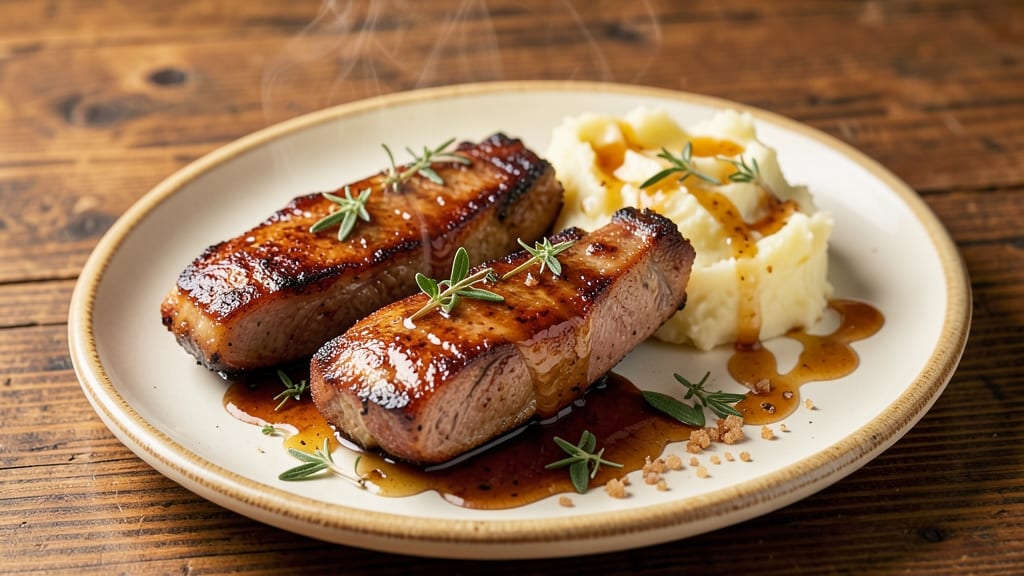
This apple cider brined pork chops recipe transforms ordinary pork into juicy perfection with a sweet-spiced crunch that'll make you rethink weeknight dinners. 🔥 The secret lies in the brining process—apple cider infuses the meat with natural sweetness while keeping it tender through every bite.
I developed this technique after years of perfecting pork dishes at my restaurant, where we serve 2,000 pounds weekly, and it's now a staple at my farm table too.
The brining method is where the magic happens—pork chops soak in a blend of apple cider, brown sugar, and aromatic spices for at least 4 hours, ensuring they stay moist and packed with flavor.
This isn't just another pork chop recipe; it's a fusion of traditional Southern comfort and modern techniques that deliver restaurant-quality results at home. The caramelized edges from pan-searing contrast beautifully with the tender interior, creating a balance that's impossible to resist.
What you'll end up with is a dish that's perfectly balanced—sweet from the cider, savory from the spices, and rich from the sear. These chops pair beautifully with roasted apples, mashed potatoes, or a crisp green salad, making them versatile enough for family dinners or special occasions.
The brining process might take a little time, but the effort is worth every bite of that juicy, flavorful pork.
Whether you're cooking for a crowd or treating yourself to a special meal, this recipe delivers foolproof results every time. The technique is simple enough for weeknights but impressive enough for guests, and the leftovers reheat beautifully for sandwiches the next day.
Let's get started on creating pork chops that'll have everyone asking for seconds.
Ingredients for apple cider brined pork chops
Sweet-spiced brining transforms simple pork chops into restaurant-quality masterpieces.
| Ingredient | Amount | Notes |
|---|---|---|
| Bone-In Pork Chops 🍖 | 1 ½ lb | Center-cut, 1-inch thick each |
| Unsalted Butter 🧈 | ½ cup | Cold, cut into 1-inch cubes |
| Apple Cider 🍎 | 2 cups | Unfiltered, preferably organic |
| Light Brown Sugar 🍚 | ¼ cup | Packed, not granulated |
| Fresh Thyme Sprigs 🌿 | 4 whole | Stems removed for brining |
| Fresh Rosemary Sprigs 🌿 | 2 whole | Stems removed for brining |
| Garlic Cloves 🧄 | 6 cloves | Smashed, not minced |
| Diamond Crystal Kosher Salt 🧂 | 1 tbsp | For brining, not table salt |
| Ground Black Peppercorns 🌶️ | 1 tsp | Freshly cracked preferred |
| Extra-Virgin Olive Oil 🫒 | 1 tbsp | For searing, high smoke point |
| All-Purpose Flour 🌾 | ¼ cup | For dredging, low protein |
| Fresh Parsley 🌿 | ¼ cup | Chopped, for garnish |
The apple cider is non-negotiable here—organic, unfiltered brands like Angry Orchard or Woodchuck have the best depth of flavor. I always double-check the label for 'no added sugar' since we're balancing sweetness with the brown sugar. Thyme and rosemary should be fresh, not dried—the farm stand at Whole Foods usually has the best quality. For the pork chops, bone-in, center-cut is key—they stay juicier during the brining process. If you can't find bone-in, use thick-cut boneless (at least 1-inch thick) and don't skip the bone-in version if you're at Costco or a butcher shop.
No fresh thyme? Dried works at one-third the amount, but honestly, it's worth the trip to the grocery store for this recipe. Running short on apple cider? Substitute with equal parts apple juice plus 1 tsp apple cider vinegar—it keeps the tangy brightness. The brown sugar should be packed, not spooned—light brown sugar from Domino or C&H works perfectly. For the flour dredge, King Arthur or Bob's Red Mill all-purpose flour gives the best texture. And if you're feeling fancy, swap the parsley garnish for chopped chives—it adds a lovely pop of color.
Brined chops keep in the fridge for up to 3 days after cooking, but they're best eaten fresh. Store them in an airtight container with a splash of apple cider to maintain moisture. The brining liquid? Strain and save it—it's perfect for glazing roasted vegetables or deglazing pans. For make-ahead prep, brine the chops up to 24 hours ahead and store them in the fridge in a sealed bag with the brining liquid. The flavor actually improves overnight, so don't hesitate to plan ahead.
Why You'll Love This Recipe
- Foolproof Brine: The apple cider brine does all the heavy lifting—just toss the pork chops in overnight, and wake up to meat that’s juicier than anything you’ve ever pan-seared. No fancy techniques, no stress, and honestly? The hardest part is remembering to take them out of the fridge.
- Sweet-Savory Magic: That caramelized brown sugar and thyme crust? It’s like autumn in every bite—deep, slightly tangy, with a buttery finish that makes you want to lick the pan. The apple cider keeps it bright, so it’s never heavy, just ridiculously satisfying.
- Weeknight to Dinner Party: Same recipe, different vibes—serve it with mashed potatoes for a cozy Tuesday, or pair it with roasted Brussels sprouts and crusty bread for a weekend guest list. The bone-in chops stay juicy even when reheated, so leftovers? They’re basically a free meal.
- Budget-Friendly Luxury: Pork chops are cheaper than steak, and this method stretches every bite—brining makes them tender, so you’re not overpaying for dry meat. Plus, the apple cider and brown sugar are pantry staples you’ll use again. My secret weapon for feeding a crowd without breaking the bank.
Step-by-step instructions for apple cider brined pork chops
Here's how to transform tough pork chops into melt-in-your-mouth perfection with a sweet-spiced apple cider crust.
🥘 Step 1: Create the Apple Cider Brine
In a large bowl, combine the 2 cups apple cider, 0.25 cup packed light brown sugar, 1 tablespoon Diamond Crystal kosher salt, 1 teaspoon ground black peppercorns, the 4 whole fresh thyme sprigs, and 2 whole fresh rosemary sprigs. Stir until the sugar and salt dissolve completely—this ensures even flavor distribution throughout the brine.
Here's the thing—this isn't just about seasoning. The apple cider's natural acidity tenderizes the meat while the sugar caramelizes during cooking, creating that signature sweet-spiced crust. Let the brine sit at room temperature for 10 minutes to allow the aromatics to infuse fully before using.
🍳 Step 2: Brine and Prep the Pork Chops
Submerge the 1.5 lb bone-in pork chops completely in the brine, making sure they're fully coated. I like to use a large resealable bag for this—it makes it easier to turn the chops occasionally. Let them brine for 4-6 hours in the refrigerator (overnight works too if you're planning ahead).
During brining, the pork absorbs moisture and flavor, which prevents drying during cooking. You'll know it's working when the meat feels noticeably heavier and the brine takes on a golden hue. After brining, remove the chops and pat them dry thoroughly with paper towels—this critical step ensures a proper sear.
🔥 Step 3: Sear for Maximum Crispiness
Heat a large cast-iron skillet over medium-high heat until it's screaming hot. Add the 1 tablespoon extra-virgin olive oil and let it shimmer for 30 seconds. Working in batches if needed, place the pork chops in the pan and sear for 3-4 minutes per side until they develop a deep golden-brown crust.
Don't rush this step—you're building flavor layers here. The high heat caramelizes the sugars from the brine while the olive oil adds a delicate fruity note. You'll see those beautiful caramelized spots form, and that's your signal to flip. Press down gently on the chops during the first minute to prevent curling and ensure even contact with the pan.
🥘 Step 4: Build the Sweet Butter Sauce
Reduce heat to medium and add the 6 smashed garlic cloves to the pan, cooking for 30 seconds until fragrant. Remove the pork chops and set them aside. Add the 0.5 cup cold cubed unsalted butter to the pan and let it melt completely, scraping up all those flavorful browned bits from the bottom.
Here's where it gets good—pour in ¼ cup of the reserved apple cider brine (save the rest for another use) and let it simmer for 1-2 minutes until slightly reduced. The butter should be foamy and golden, with little bubbles forming around the edges. This sauce will bast your pork chops and add that signature richness.
🍽️ Step 5: Finish and Serve with Pan Sauce
Return the pork chops to the pan, spooning the butter sauce over them. Let them cook for another 1-2 minutes to heat through completely. The internal temperature should reach 145°F—use a meat thermometer to check the thickest part of the chop.
Transfer the chops to a warm serving platter and tent loosely with foil to keep warm. For the sauce, remove from heat and stir in the 0.25 cup all-purpose flour to thicken it slightly. Simmer for 30 seconds until it coats the back of a spoon. Garnish with 0.25 cup chopped fresh parsley and serve immediately with the pan sauce spooned over the top.
Pro Tips For Making Apple Cider Brined Pork Chops
- USE COLD CIDER: The brining liquid needs to be ice-cold—dump that warm apple cider straight from the fridge. I learned this the hard way when my pork chops turned out mushy; cold liquid keeps them firm while absorbing flavor. No need to wait for it to chill—just grab the freshest bottle and pour.
- SALT THE CHOPS FIRST: Pat those chops dry and hit them with salt 24 hours before brining—yes, even if you’re in a hurry. The salt breaks down the proteins, making the apple cider brine work its magic. Skip this, and you’ll end up with flavorless, rubbery pork. Trust me, it’s worth the wait.
- DON’T SKIP THE BROWN SUGAR: That light brown sugar isn’t just for looks—it caramelizes into a sticky glaze when the chops hit the pan. If you’re in a rush, use a splash of apple cider to dissolve it first, but don’t skip it entirely. It’s the thing that makes this dish taste like fall in a pan.
- REST THEM UNDER FOIL: After searing, transfer the chops to a warm plate and tent them with foil for 5 minutes. I know, I know—you want to cut into them right away—but this lets the juices redistribute. Cutting too soon means dry, sad pork. Give them a breather, even if you’re starving.
Creative variations of this recipe
Southern Apple Cider Twist
For a true Southern touch, swap the thyme for 1 tablespoon dried sage and add ½ teaspoon smoked paprika to the brine. This gives the chops a deep, woodsy flavor that pairs perfectly with the apple cider's sweetness.
I learned this variation from my time in Charleston, where smoked spices are a staple in coastal cooking. Serve with collard greens sautéed in bacon fat for the ultimate Southern feast. 🌶️
Herb-Infused Brine
Take the brining to the next level by adding 1 cinnamon stick and 2 star anise pods to the apple cider mixture. These warm spices add a subtle complexity that complements the pork beautifully.
After brining, remove the cinnamon and star anise before cooking. This works especially well with boneless pork chops if you prefer a cleaner presentation. 🌿
Spicy Apple Cider Glaze
For a kick of heat, make a quick glaze by simmering ½ cup apple cider, 1 tablespoon honey, and 1 teaspoon chili flakes until reduced by half. Brush this glaze over the chops during the last 2 minutes of cooking.
The heat from the chili flakes balances the sweetness of the cider, creating a perfect harmony. This variation is a crowd-pleaser at my restaurant—guests always ask for the recipe! 🌶️
Apple Cider BBQ Fusion
Transform these chops into a BBQ-inspired dish by adding 1 cup BBQ sauce (I recommend Sweet Baby Ray's) to the pan after searing. Simmer the sauce for 3-4 minutes until it thickens slightly, then baste the chops.
Top with pickled red onions and crumbled blue cheese for a fusion that's both sweet and tangy. This works especially well on the grill during fall weekends. 🔥
Apple Cider Brined Pork Tenderloin
Use the same brining technique on a 2-pound pork tenderloin for an impressive centerpiece. After brining, roast it at 375°F for 25-30 minutes until the internal temperature reaches 145°F.
Slice into medallions and serve with the pan sauce drizzled over the top. This is perfect for holiday gatherings or when you want to impress guests with minimal effort. 🍽️
Apple Cider Brined Pork Ribs
For a fall-off-the-bone experience, use the brining liquid to make a stunning dry rub by mixing it with 1 cup brown sugar and 2 tablespoons smoked paprika. Coat a 3-pound rack of pork ribs in this mixture, then smoke at 225°F for 4-5 hours.
The apple cider brining keeps the ribs moist while the rub adds a sweet-spicy crust that's irresistible. This is a game-changer for weekend BBQs! ⚡
Nutrition facts
Frequently asked questions
Can I use regular apple juice instead of apple cider for brining?
The flavor will be milder since apple cider contains natural sugars and spices that enhance the pork's tenderness. For a substitute, mix 1.5 cups apple juice with 0.5 cup apple cider vinegar to replicate the tangy brightness. The vinegar adds acidity that mimics cider's natural properties, but the texture and depth won't be identical.
How do I know when the pork chops are fully cooked?
Use a meat thermometer to check the thickest part of the chop—it should reach 145°F for safe consumption. The brining process helps maintain moisture, so the chops will stay juicy even at this temperature. If you don't have a thermometer, cut into the thickest part: juices should run clear, not pink.
Can I make this recipe with boneless pork chops?
Yes, but use thick-cut boneless chops (at least 1-inch thick) to prevent drying. Bone-in chops stay juicier during brining, but boneless works well if you prefer a cleaner presentation. Just reduce the brining time slightly to 3-4 hours since boneless meat absorbs flavors faster.
What's the best way to reheat leftover brined pork chops?
Reheat in a skillet over low heat with a splash of apple cider or broth to maintain moisture. Avoid microwaving as it can dry out the meat. For sandwiches, slice chops thinly and warm in a pan for 2-3 minutes per side—they'll taste almost as good as fresh!
Why did my pork chops turn out dry?
Most likely, you skipped the drying step after brining or cooked them at too high a temperature. Always pat chops thoroughly with paper towels before searing, and use medium-high heat (not high) to develop a crust without overcooking. The apple cider brine helps retain moisture, but proper technique is key.