
Sauces & Condiments
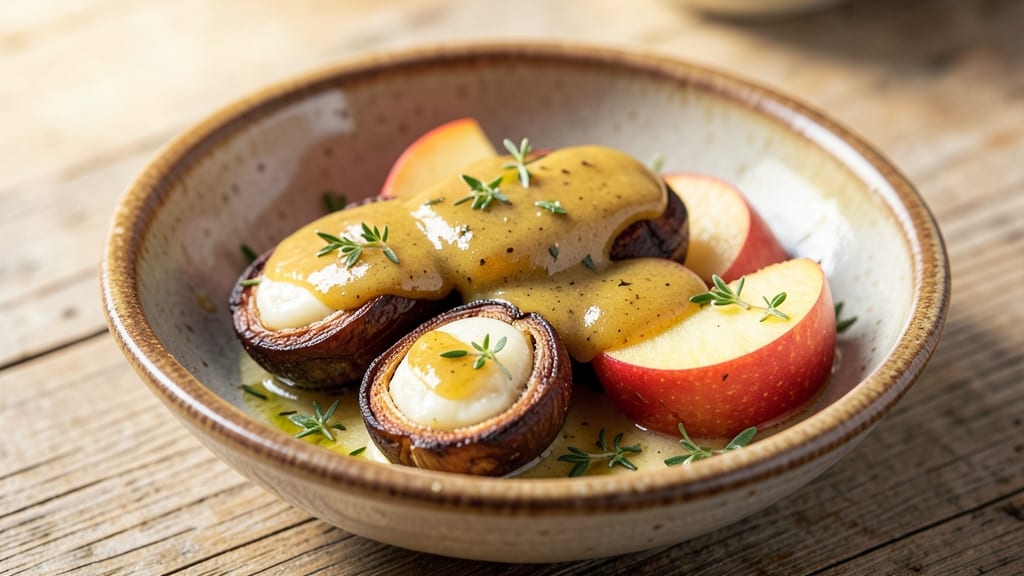
This apple chestnut dressing recipe transforms simple pantry staples into a velvety, nutty-sweet sauce that elevates every dish it touches. The marriage of tender chestnuts and crisp apples creates a rich, aromatic base that blends seamlessly with herbs and vinegar for depth.
Perfect for drizzling over salads, roasted vegetables, or even as a glaze for holiday meats, this dressing delivers restaurant-quality flavor with minimal effort.
The secret lies in toasting the chestnuts until fragrant and caramelized before blending them with apples, garlic, and fresh herbs. A touch of Dijon mustard and apple cider vinegar adds brightness, while olive oil creates a silky emulsion that coats ingredients beautifully.
Unlike store-bought dressings, this version stays fresh for up to a week in the refrigerator, making it ideal for meal prep.
What makes this dressing truly special is its versatility—it works as a tangy dip for crusty bread, a vibrant topping for grain bowls, or even a finishing sauce for grilled fish. The chestnuts add a satisfying crunch, while the apples provide natural sweetness that balances the acidity.
With just 10 minutes of active prep and 5 simple ingredients, you’ll have a dressing that’s far more complex than it appears.
For an extra touch of sophistication, garnish with toasted chestnut pieces or a sprinkle of fresh thyme. This dressing is the kind of pantry staple that makes everyday meals feel like a celebration. Let’s get started!
Ingredients for apple chestnut dressing
Eight simple ingredients create a velvety dressing with nutty crunch and sweet apple harmony.
| Ingredient | Amount | Notes |
|---|---|---|
| Fresh Chestnuts 🌰 | 1 ½ cups | Peeled, toasted until fragrant |
| Apples 🍎 | 2 medium | Sweet variety like Gala or Fuji |
| Extra-Virgin Olive Oil 🫒 | ½ cup | High-quality, fruity variety |
| Apple Cider Vinegar 💧 | 2 tbsp | Raw, unfiltered preferred |
| Dijon Mustard 🌶️ | 1 tbsp | Mild or strong variety |
| Fresh Thyme Leaves 🌿 | ¼ cup | Finely chopped, stems removed |
| Garlic Cloves 🧄 | 2 cloves | Fresh, minced |
| Salt 🧂 | ½ tsp | Kosher or sea salt |
| Black Pepper 🌶️ | ¼ tsp | Freshly ground |
Chestnuts are the heart of this dressing, so buy them fresh if possible—look for plump, firm nuts with smooth shells. Trader Joe's and Whole Foods often carry vacuum-sealed fresh chestnuts in the fall, or opt for canned chestnuts in water (drain and rinse well). Toasting them until fragrant and caramelized is key—this step develops their natural sweetness and depth. Apples should be firm and crisp, not mealy. Gala or Fuji varieties work best for their balance of sweetness and acidity, though Honeycrisp adds a luxurious texture if you're willing to splurge.
No fresh chestnuts? Substitute with cooked cannellini beans for a similar creamy texture—just mash them slightly before blending. Running short on apple cider vinegar? White wine vinegar or lemon juice works in a pinch, though the flavor profile shifts slightly. The Dijon mustard adds that signature tang, but whole-grain mustard at half the amount gives a more complex bite. Fresh thyme is ideal, but dried thyme at one-third the amount will do if you're out. For extra richness, stir in a splash of vegetable broth instead of water when thinning the dressing.
This dressing keeps beautifully for up to 7 days in an airtight jar in the fridge. For longer storage, freeze in ice cube trays—thaw quickly in warm water when ready to use. The texture may thicken slightly after refrigeration, so stir in a splash of water or extra olive oil to restore smoothness. Garnish with a sprinkle of toasted chestnut pieces or fresh thyme just before serving to elevate the presentation. Portion into small jars for easy grab-and-go meal prep—perfect for drizzling over salads or roasted vegetables all week.
Why You'll Love This Recipe
- No Chopping Chaos: I swear by this recipe because the chestnuts and apples only need a quick dice—not a meticulous julienne. Honestly, my knife skills are questionable, but this dressing still turns out rich and creamy every time.
- Sweet-Savory Magic: That tangy apple cider vinegar and Dijon mustard cut through the chestnuts’ natural sweetness, creating a balance that’s ridiculously good. It’s the kind of dressing that makes you reach for seconds without even thinking.
- Pantry-to-Table Flex: This works as a salad topper, sandwich spread, or even a dipping sauce for roasted veggies. Between us, I’ve used it to jazz up a boring lunchbox and impress dinner guests—same recipe, totally different vibes.
- Leftovers That Shine: The flavor actually deepens after a day in the fridge, so you can make a big batch and use it all week. Not the prettiest in a jar, but trust me, it’s worth the second (or third) helping.
Step-by-step instructions for apple chestnut dressing
This method transforms simple ingredients into a velvety dressing with perfect texture and balanced flavors.
Toast and Prepare the Chestnuts
Preheat your oven to 400°F. Scatter the 1.5 cups fresh chestnuts on a baking sheet and toast for 15-20 minutes until fragrant and lightly golden. Watch them closely—they should smell nutty and toasted, not burnt. Let them cool completely before peeling.
Once cooled, peel the chestnuts by gently prying off the skins. I find using a small knife to slide between the skin and nut makes this easier. The chestnuts should be smooth and creamy-textured when finished. Set them aside for the next step.
Cook the Apples Until Tender
In a medium saucepan, combine the 2 medium apples (peeled, cored, and diced), 2 tbsp apple cider vinegar, and 2 cloves garlic cloves (minced). Add just enough water to cover the apples by about ½ inch. Bring to a simmer over medium heat.
Cook for 8-10 minutes until the apples are fork-tender and the mixture has reduced slightly. You'll know they're ready when they break down easily and the liquid has thickened into a syrupy consistency. Remove from heat and let cool completely.
Blend the Dressing Components
Transfer the cooled apple mixture to a food processor or high-powered blender. Add the toasted chestnuts, 0.25 cup fresh thyme leaves, 1 tbsp Dijon mustard, 0.5 tsp salt, and 0.25 tsp black pepper. Pulse until everything is finely chopped but still retains some texture—you want a rustic finish, not completely smooth.
With the processor running, slowly drizzle in the 0.5 cup extra-virgin olive oil until fully incorporated. Taste and adjust seasoning if needed—the dressing should balance sweetness, acidity, and earthy chestnut flavor. For a smoother texture, blend longer; for more rustic appeal, leave it slightly chunky.
Emulsify and Rest for Perfect Texture
Transfer the dressing to a bowl and whisk vigorously for 2-3 minutes until it thickens and emulsifies into a creamy consistency. The dressing should coat the back of a spoon and hold its shape when drizzled. If it's too thick, add 1-2 teaspoons of water to loosen it.
Cover the bowl and refrigerate for at least 1 hour before serving. This resting period allows the flavors to meld completely and the texture to set properly. The dressing will thicken slightly as it chills, making it ideal for drizzling over salads or pairing with roasted meats.
Pro Tips For Making Apple Chestnut Dressing
- ROAST CHESTNUTS UNTIL TENDER: Fresh chestnuts need a good 20-25 minutes at 400°F (200°C) until they’re fork-tender with no resistance—if you’re still fighting to pierce them, keep roasting. I learned this the hard way: underdone chestnuts turn to mush in the dressing, and overdone ones burn. Cut into one—it should collapse like butter.
- PEEL CHESTNUTS WHILE HOT: Let roasted chestnuts sit in their skins for 5 minutes, then rub them between two towels to crack the skins before peeling. Cold chestnuts stick like glue and peel like stubborn tape. This trick saves your hands and keeps the texture clean—no gritty bits in your dressing.
- ACIDIFY GRADUALLY: Start with half the apple cider vinegar, taste, then add the rest. Chestnuts and apples are mild, and too much vinegar turns dressing harsh. I was skeptical until I tried it—balance is everything, and you can always add more sweetness (a touch of honey or maple) later if needed.
- PULSE APPLES COARSELY: Use the pulse function on your food processor for 4-5 seconds max—you want chunks, not paste. Finely chopped apples lose their texture and make the dressing cloying. My grandmother swore by this, and she was right: the contrast of apple bits and creamy chestnuts is what makes it work.
Serving suggestions for this dish
Salad Elevations
This dressing transforms simple salads into gourmet masterpieces. Toss it with arugula and shaved fennel for a bright, peppery contrast that highlights the nutty sweetness. I love pairing it with mixed greens and adding toasted pecans for extra crunch.
For a heartier option, mix it into a quinoa and roasted beet salad—the earthy flavors complement perfectly. 🥗
Roasted Vegetable Glaze
Brush this dressing over roasted Brussels sprouts or carrots during the last 10 minutes of roasting at 400°F for a caramelized glaze. The chestnut and apple flavors deepen while the vegetables become tender.
I also drizzle it over roasted sweet potatoes with a sprinkle of pumpkin seeds for a fall-inspired side dish that feels luxurious.
Grain Bowl Topper
Use this dressing as a vibrant topping for farro or wild rice bowls. I combine it with grilled chicken, avocado slices, and cherry tomatoes for a balanced meal.
For a vegetarian option, layer it with roasted butternut squash, crispy chickpeas, and feta cheese. The dressing’s sweetness cuts through the richness of grains and proteins beautifully.
Crusty Bread Dip
Warm the dressing slightly and serve it as a dip for crusty baguette slices or rosemary focaccia. The chestnut texture adds a satisfying bite, while the apple sweetness balances the bread’s saltiness.
For extra flair, sprinkle with toasted chestnut pieces and a pinch of flaky sea salt. This makes a fantastic appetizer or light lunch with a side of marinated olives. ✨
Grilled Meat Glaze
While primarily vegetarian, this dressing works beautifully as a finishing glaze for grilled chicken or pork tenderloin. Brush it on during the last 5 minutes of grilling at medium-high heat for a sticky, flavorful crust.
The chestnut sweetness caramelizes beautifully, creating a restaurant-worthy finish. I also use it as a marinade for tofu or tempeh before grilling.
Cheese Board Pairing
Drizzle this dressing alongside aged cheddar, brie, and goat cheese on a charcuterie board. The chestnut and apple flavors complement creamy cheeses while balancing the saltiness of cured meats. Add sliced apples, walnuts, and honeycomb for a cohesive, autumnal spread that’s perfect for entertaining.
Nutrition facts
Frequently asked questions
Can I make this dressing without fresh chestnuts?
Yes! For a similar texture, substitute 1 can (15 oz) cannellini beans (drained and rinsed) or 1.5 cups cooked butternut squash. Toast the beans or squash first to enhance their flavor. The dressing will have a slightly different mouthfeel but still deliver that nutty-sweet profile.
How do I prevent the dressing from separating?
Emulsification is key! Whisk the dressing vigorously for 2-3 minutes after blending, and let it rest for 1 hour before serving. If it separates later, simply whisk in 1 teaspoon of Dijon mustard or a splash of cold water to restore smoothness. For extra insurance, chill it before using.
What's the best way to store leftovers?
Transfer to an airtight container and refrigerate for up to 7 days. The texture may thicken slightly—stir in 1-2 teaspoons of water or olive oil to adjust. For longer storage, freeze in ice cube trays (thaw in warm water). Always store the dressing in the fridge, never at room temperature.
Can I use this dressing on warm dishes?
Warm the dressing gently in a saucepan over low heat for 2-3 minutes, stirring constantly. It works beautifully as a glaze for roasted vegetables or grilled meats. For extra richness, add a splash of vegetable broth while reheating. The flavors deepen when warmed slightly.
Why does my dressing taste too sweet?
Balance the sweetness with 1 extra tablespoon of apple cider vinegar or ½ teaspoon of Dijon mustard. If the apples were particularly sweet (like Honeycrisp), reduce the amount in future batches by ½ apple. The chestnuts should provide earthy depth—if they're too subtle, toast them longer next time for more caramelized flavor.