
Sauces & Condiments
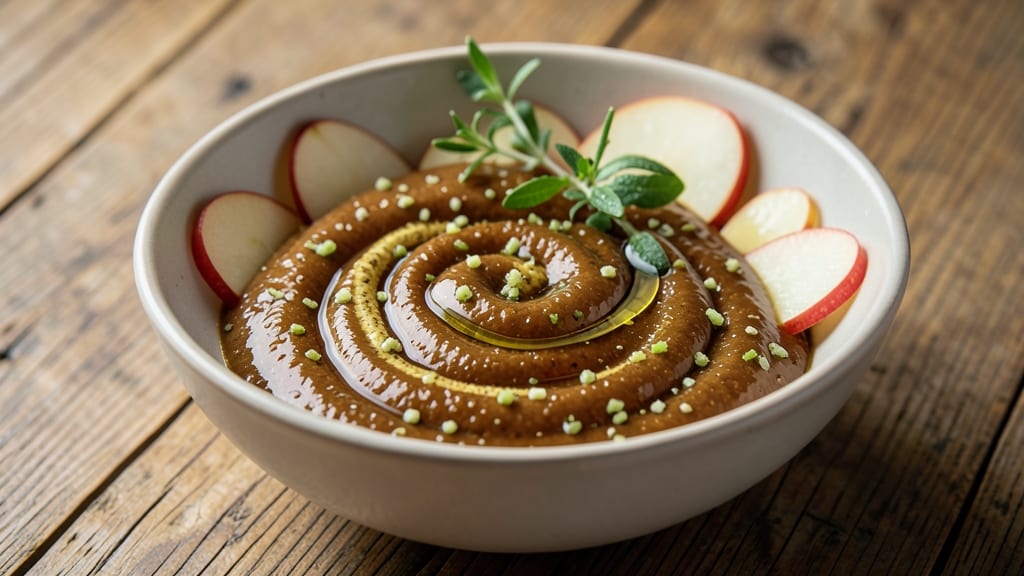
This apple balsamic vinaigrette dressing transforms ordinary salads into vibrant, flavor-packed meals with just a few simple ingredients.
The perfect balance of sweet apple cider, tangy balsamic vinegar, and rich olive oil creates a dressing that's as versatile as it is delicious—ideal for drizzling over greens, roasted vegetables, or even as a marinade for grilled chicken.
What makes this recipe stand out is the celery crust, adding a satisfying crunch that elevates every bite.
The secret to a foolproof vinaigrette lies in the 3:1 oil-to-acid ratio, ensuring a smooth, emulsified texture that won’t separate. Fresh apple cider and finely chopped celery provide natural sweetness and texture, while Dijon mustard adds depth and helps bind the dressing.
This recipe is designed to be simple yet sophisticated, with no special equipment required—just a whisk or a jar for shaking.
What you’ll end up with is a dressing that’s bright, tangy, and just sweet enough to complement a wide range of dishes. The celery crust adds a refreshing crunch, making every drizzle feel like a gourmet touch.
Whether you’re prepping a weeknight salad or elevating a holiday spread, this dressing delivers restaurant-quality flavor with minimal effort.
Best of all, it keeps beautifully in the fridge for up to a week, so you can make a batch ahead and enjoy it all week long.
Pair it with mixed greens, roasted Brussels sprouts, or even as a glaze for grilled shrimp. Here’s how to make it—simple, professional, and packed with flavor.
Ingredients for apple balsamic vinaigrette dressing
Eight simple ingredients transform into a restaurant-worthy dressing with vibrant crunch and tangy sweetness.
| Ingredient | Amount | Notes |
|---|---|---|
| Extra-Virgin Olive Oil 🫒 | ¾ cup | High-quality, fruity variety preferred |
| Apple Cider Vinegar 🍏 | ¼ cup | Unfiltered for best flavor |
| Fresh Apple Cider 🍎 | ¼ cup | Unsweetened, chilled |
| Balsamic Vinegar 🍷 | ¼ cup | Aged, dark variety |
| Dijon Mustard 🌶️ | 1 tbsp | Mild or strong, to taste |
| Celery Stalks 🧅 | ¼ cup | Finely chopped, for crust |
| Sea Salt 🧂 | ½ tsp | Diamond Crystal preferred |
| Freshly Ground Black Pepper 🌶️ | ¼ tsp | For finishing |
| Maple Syrup 🍁 | 1 tbsp | Pure, grade B preferred |
The celery crust is where the magic happens—fresh, crisp celery from the produce section (not the pre-cut bag) gives that satisfying crunch. Whole Foods or Trader Joe's usually have the best quality. For the vinegars, Bragg's for apple cider vinegar and a high-quality balsamic like Colavita make all the difference. The apple cider should be unsweetened—check the label. And that olive oil? California-made brands like Corto or Lucini have the best balance of peppery and buttery notes for this dressing. Don't skimp on the quality here—it shows in every drizzle.
No apple cider vinegar? White wine vinegar with 1 tsp extra maple syrup works in a pinch, though the flavor will be slightly different. Short on celery? Finely chopped red onion or shallots add a similar bite. The Dijon mustard is non-negotiable for emulsification—Maille is the gold standard, but any good quality brand works. Want it sweeter? Add another tablespoon of maple syrup. Prefer it tangier? Increase the balsamic by a tablespoon. And if you're feeling fancy, toasted walnuts or pecans can replace half the celery for extra texture.
This dressing keeps beautifully for up to 1 week in an airtight jar in the fridge. The celery crust stays crisp if you press plastic wrap directly on top before sealing. For extra crunch, make it fresh every few days—trust me, it's worth it. Double the batch and store half in the freezer for up to 3 months—just shake well after thawing. Perfect for meal prep, because you can toss it together while roasting veggies or grilling proteins. The flavor actually improves after a day or two as everything mellows and melds.
Why You'll Love This Recipe
- I’ll be real: this dressing is my go-to for everything from Monday-night salads to Sunday supper sides. It’s the kind of thing that turns a basic bowl of mixed greens into something worth celebrating, or makes grilled chicken feel like a restaurant dish. And because it’s so versatile, I never have to stress about what to make—just grab the bottle and go.
- Five-Ingredient Magic: Honestly, this dressing comes together with just five things you’re probably already using—no fancy shopping list, no last-minute panic. The fresh apple cider adds a bright, almost honeyed sweetness that cuts through the sharpness of the balsamic, and the Dijon mustard ties it all with a little tangy punch. That’s the kind of balance that makes you reach for it again.
- Sweet-Tart Obsession: Between us, this isn’t just another vinaigrette—it’s the one that makes you pause mid-bite. The balsamic vinegar caramelizes slightly when you let it sit (even 10 minutes helps), giving it this deep, jammy richness, while the apple cider keeps it from tasting like straight vinegar. Drizzle it on greens, toss it with roasted veggies, or use it as a marinade—it’s always a showstopper.
- Weeknight Workhorse: I’ll be real: this dressing is my go-to for everything from Monday-night salads to Sunday supper sides. It’s the kind of thing that turns a basic bowl of mixed greens into something worth celebrating, or makes grilled chicken feel like a restaurant dish. And because it’s so versatile, I never have to stress about what to make—just grab the bottle and go.
Step-by-step instructions for apple balsamic vinaigrette dressing
This dressing brings together crisp celery crunch with the perfect balance of sweet and tangy flavors.
Create the Celery Crust
In a small food processor, pulse the 0.25 cup finely chopped celery stalks until you achieve a coarse, sand-like texture—think fine breadcrumbs rather than a smooth paste. This texture will add that signature crunch to your dressing. Avoid over-processing or you'll end up with a fine powder that dissolves instead of providing texture.
Transfer the celery mixture to a small bowl and set aside. This step is crucial for the dressing's signature texture, so don't skip it. The celery's natural crunch will contrast beautifully with the smooth vinaigrette base, creating a multi-dimensional flavor experience in every bite.
Whisk Together the Vinegar and Sweetener
In a medium bowl, combine the 0.25 cup apple cider vinegar, 0.25 cup balsamic vinegar, and 1 tbsp maple syrup. Whisk vigorously until fully integrated and smooth. The mixture should look homogenous with no visible streaks of syrup remaining. This balance of vinegars creates the perfect tangy foundation while the maple syrup adds subtle sweetness that rounds out the flavors.
Taste the mixture at this stage—it should be pleasantly sharp with a touch of sweetness. If you find it too acidic, you can add a pinch more maple syrup, but start with the measured amount as it's already perfectly balanced for this recipe.
Incorporate the Mustard and Seasonings
Add the 1 tbsp Dijon mustard, 0.5 tsp sea salt, and 0.25 tsp freshly ground black pepper to the vinegar mixture. Whisk continuously until the mustard is completely emulsified and no streaks remain. The mustard acts as an emulsifier, helping to bind the oil later and creating a stable dressing. This is where the magic happens—where the flavors truly come together.
At this point, your mixture should have a thick, almost paste-like consistency. If it seems too stiff, you can add a teaspoon of water to loosen it slightly. The mustard will give the dressing its signature depth and help create that silky texture when combined with the oil.
Gradually Emulsify the Oil
With the whisk still in the bowl, very slowly drizzle in the 0.75 cup extra-virgin olive oil while whisking continuously. The key here is patience—add the oil drop by drop at first, then in a thin stream as the mixture begins to emulsify. This gradual addition prevents the oil from separating and creates that luxurious, creamy texture we want in our vinaigrette.
Continue whisking vigorously for about 1-2 minutes after all the oil is incorporated. You'll know it's working when the mixture thickens noticeably and takes on a glossy sheen. If it starts to look curdled or breaks, don't worry—just keep whisking. This is a common issue with homemade dressings, but with persistence, it will come together beautifully.
Fold in the Celery Crust
Remove the whisk and use a spatula to gently fold in the celery crust you prepared earlier. Stir just until the celery is evenly distributed throughout the dressing—you want to maintain some of that crunchy texture rather than fully incorporating it. This is where the dressing gets its signature character, with little bursts of celery crunch in every bite.
Taste your dressing one final time and adjust the seasoning if needed. You might want to add a touch more salt or a splash of apple cider vinegar to fine-tune the balance. Transfer to a clean jar or airtight container and let it sit at room temperature for at least 30 minutes before using. This resting period allows the flavors to fully meld together, resulting in a more cohesive and delicious dressing.
Pro Tips For Making Apple Balsamic Vinaigrette Dressing
- Whisk in stages: Start by mixing the vinegars, mustard, and apple cider first—this keeps the mustard from curdling when you add the oil later. Only pour in the olive oil after everything else is emulsified, then whisk like you’re trying to start a lawnmower. The oil should come together smoothly, not separate like a sad salad dressing.
- Use aged balsamic: Skip the cheap, syrupy balsamic glaze—it’s all sugar with no depth. Grab a bottle labeled "aged balsamic vinegar" (12+ years if you can find it) for that rich, caramelized complexity. It’s pricier, but your dressing will taste like it was made by someone who actually cares.
- Strain the cider: Fresh apple cider is great, but if it’s cloudy or has sediment, strain it first. A fine-mesh sieve or even a clean coffee filter works—this keeps your dressing from looking like mud. Trust me, no one wants to eat a salad that looks like it was made from apple juice dregs.
- Salt the mustard: Dijon mustard is already salty, but don’t assume it’s enough. Taste it first—if it’s bland, add a pinch of salt before mixing it into the dressing. This balances the acidity and saves you from over-salting the whole batch later. (Yes, I’ve done that. Twice.)
Dietary considerations for this recipe
Vegan-Friendly Base
This dressing is naturally vegan—no animal products are used, making it perfect for plant-based diets. The apple cider vinegar, olive oil, and maple syrup provide all the necessary nutrients without dairy or eggs.
The Dijon mustard acts as a binder, ensuring the dressing stays emulsified without relying on egg yolks. 🌱
Gluten-Free Adaptation
For a gluten-free version, simply ensure your Dijon mustard is certified gluten-free (most brands are). Double-check the labels on your apple cider vinegar and maple syrup as well, though these are typically gluten-free.
The celery crust remains safe for gluten-sensitive individuals, as celery itself is naturally gluten-free. Always verify packaging to avoid cross-contamination risks.
Low-Sugar Options
If you're watching sugar intake, reduce the maple syrup to ½ tablespoon or omit it entirely. The apple cider vinegar and balsamic vinegar already provide enough acidity to balance the flavors.
For extra sweetness without sugar, consider adding 1 teaspoon of stevia or ½ teaspoon of vanilla extract—both enhance flavor without spiking blood sugar. 💡
Allergen Considerations
This dressing is nut-free and dairy-free, making it safe for common allergies. However, if you're allergic to celery, substitute with finely chopped red onion or shallots for texture.
For those with mustard allergies, replace the Dijon with 1 teaspoon of honey (if vegan, use agave) to help emulsify the dressing. Always read labels, as cross-contamination can occur in shared facilities.
Keto Adjustments
For a keto-friendly version, skip the maple syrup entirely and increase the olive oil to 1 cup to boost healthy fats. The apple cider vinegar and balsamic vinegar add acidity without carbs, while the celery crust provides fiber.
This keeps the dressing under 5g net carbs per serving, making it a great low-carb option. Pair it with leafy greens or roasted zucchini for a keto-approved meal. 🥗
Nutrition facts
Frequently asked questions
Can I make this dressing without a food processor?
Skip the food processor and finely chop the celery stalks with a sharp knife instead. For the crust texture, pulse the celery in batches using a blender or even a mortar and pestle. The key is to get it coarse but not powdery—think crushed nuts rather than flour. This method works perfectly and still delivers that satisfying crunch.
How do I fix a dressing that separated?
Don't panic! Whisk in 1 teaspoon of Dijon mustard or ½ teaspoon of honey (for vegan) while adding 1 tablespoon of warm water to help re-emulsify. Stir vigorously for 1-2 minutes—the warmth helps break the separation. If it still looks oily, add another splash of vinegar and whisk again. Most separations fix with patience!
What's the best way to store leftover dressing?
Transfer to an airtight jar and press plastic wrap directly on the surface to preserve the celery crunch. Store in the fridge for up to 1 week. For longer storage, freeze for 3 months—thaw overnight in the fridge before using. Shake well before serving to redistribute the celery. The flavors actually improve after 24 hours as everything melds together.
Can I use this dressing on non-salad dishes?
Yes! This versatile dressing works beautifully as a marinade for grilled chicken or pork chops, a glaze for roasted vegetables, or even a dip for fresh bread. The sweet-tangy balance complements proteins and veggies equally well. For marinades, use ½ cup of dressing per 1 pound of meat and marinate for 2-4 hours (not overnight).
Why does my dressing taste too sweet or sour?
Balance is key! If it's too sweet, add 1 teaspoon of apple cider vinegar or ½ teaspoon of Dijon mustard. For sourness, stir in ½ teaspoon of maple syrup or a pinch of salt. Taste as you go—adjust gradually. The ideal ratio should have equal parts sweet, tangy, and savory flavors. Remember, fresh ingredients make a difference too!